

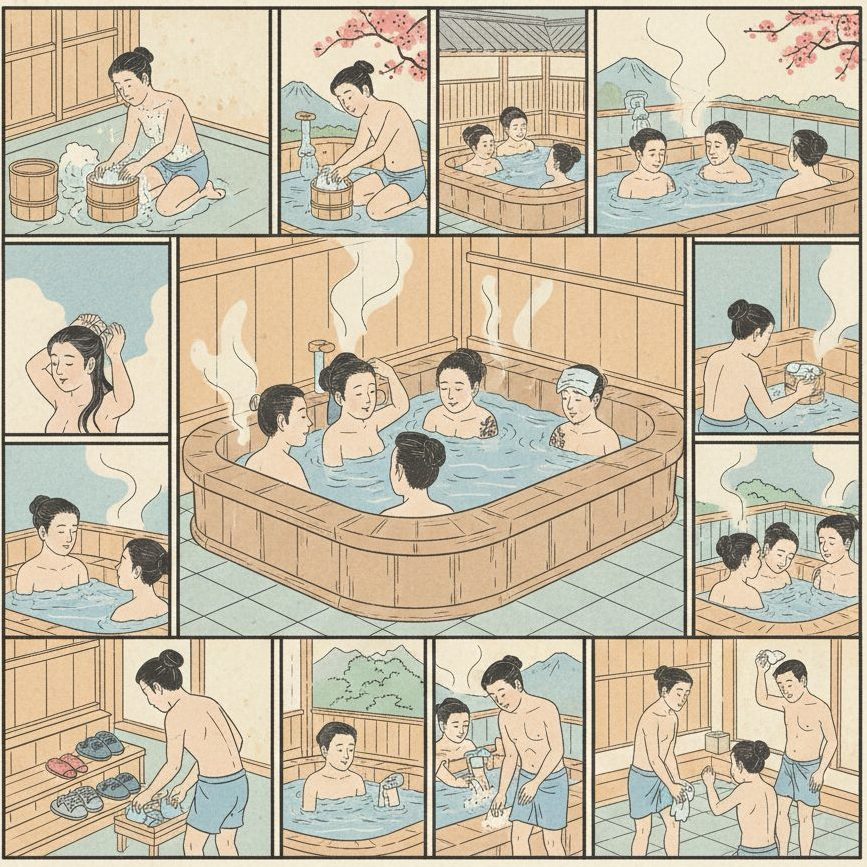
(Avoid Embarrassment and Bathe Like a Local!)
Japan’s onsen (hot springs) and sento (public baths) offer a unique and relaxing experience, but they also come with strict etiquette rules that every visitor should follow. Failure to do so might result in disapproving glances—or even being asked to leave! Here are 10 essential rules to ensure you enjoy Japanese baths like a pro.
1. Wash Before Entering – The Golden Rule of Japanese Baths
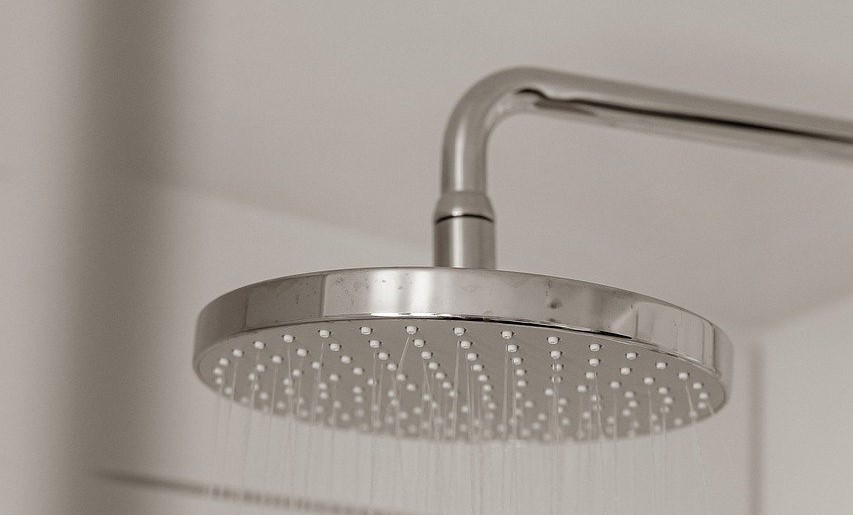
Before stepping into the bath, you must wash your body thoroughly. Every onsen and sento has a washing area with stools, buckets, and handheld showers.
- Never enter the bath without rinsing off first
- Use soap and scrub well to remove sweat and dirt
- It’s considered extremely rude to soak with a dirty body
Skipping this step is a major onsen taboo and will surely earn you some side-eyes!
2. No Swimsuits – Naked Bathing Only
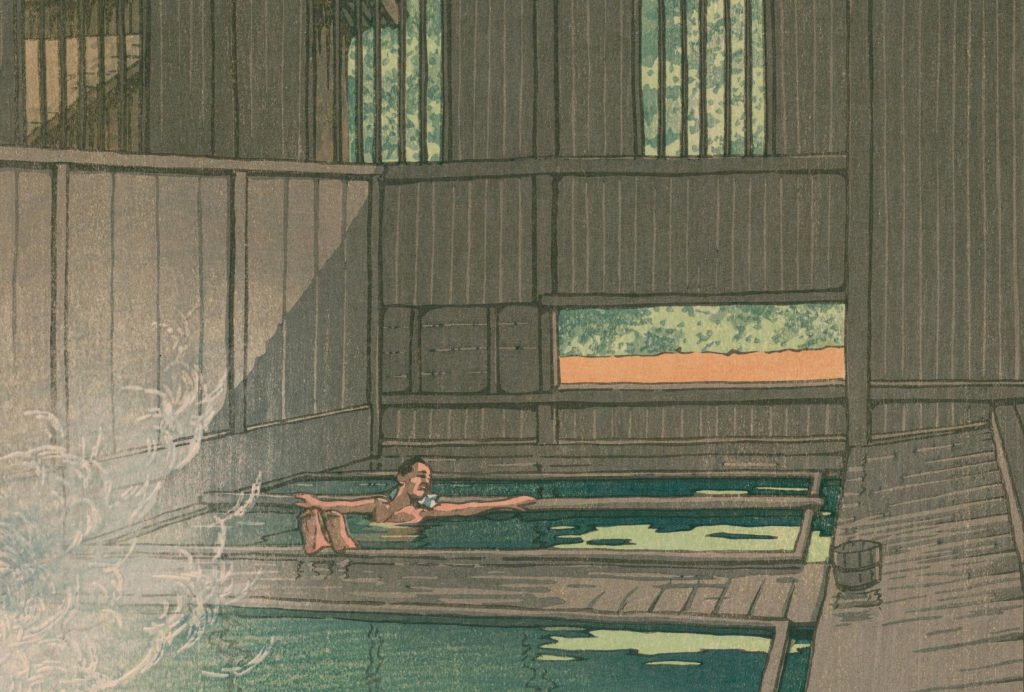
Unlike Western spas, swimsuits are strictly forbidden in Japanese onsen and sento. Bathing naked is the norm, and it’s not as awkward as you might think—everyone is used to it!
- Only a small towel is allowed, but don’t put it in the water
- Onsen culture values cleanliness over modesty
- Relax and embrace the experience!
If you’re really uncomfortable, some modern facilities offer private baths where you can bathe alone or with family.
3. Keep Your Towel Out of the Bath!
You’ll receive a small towel to wash and dry yourself, but don’t let it touch the water! Instead, place it on your head or at the side of the bath.
- Towels are considered “dirty” since they touch the body
- Placing the towel in the water is seen as unhygienic
- Some people fold it neatly on their head as a custom
This simple rule is one of the most commonly broken by foreign visitors!
4. No Diving, Splashing, or Swimming
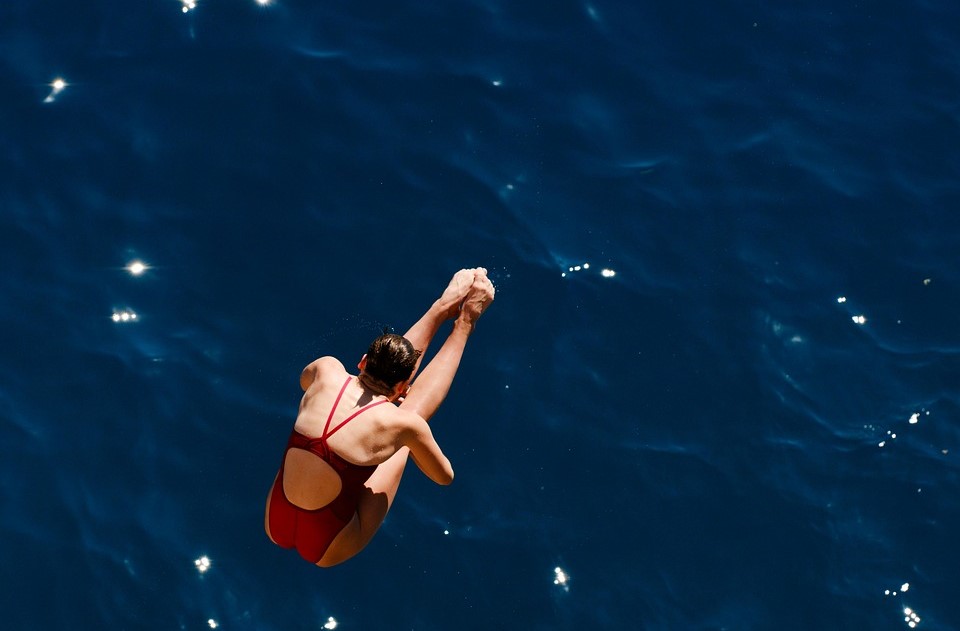
Onsen and sento are places of relaxation, not swimming pools. Being too playful can disturb others, and splashing water is seen as rude.
- Move slowly and quietly in the bath
- Avoid disturbing others with big movements
- Keep a calm and peaceful atmosphere
Think of an onsen as a meditation space rather than a pool.
5. Tie Up Long Hair – Don’t Let It Touch the Water
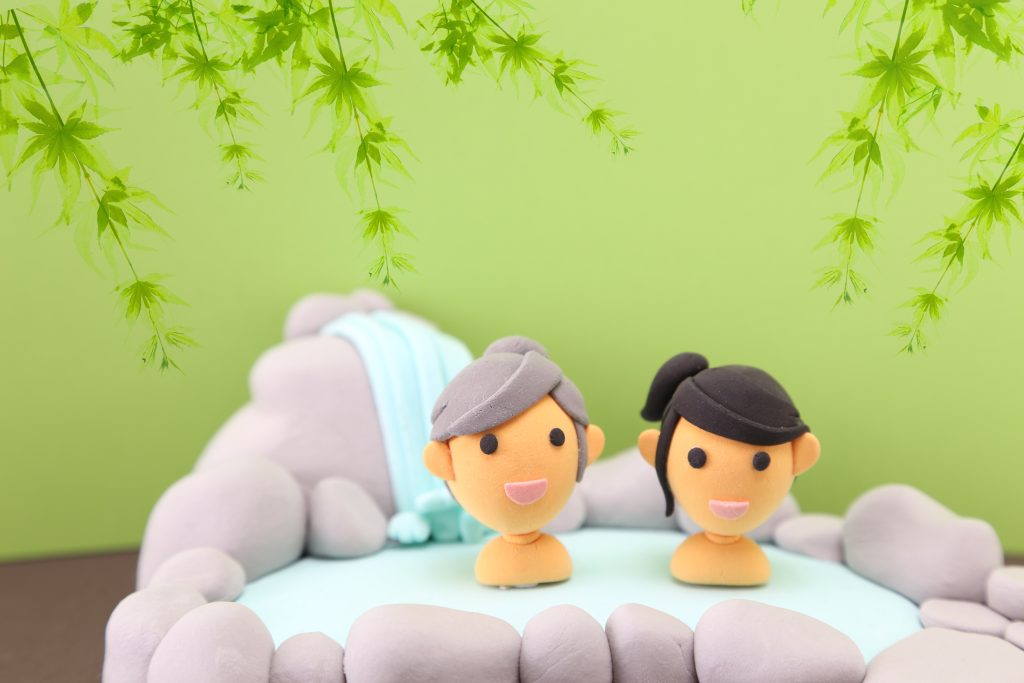
If you have long hair, make sure to tie it up before entering the bath. Hair floating in the water is considered unsanitary.
- Use a hair tie or clip to secure your hair
- Never dip your head underwater—it’s bad manners!
- Some places provide hair ties for free
This rule is often overlooked, but it’s essential for hygiene.
6. No Talking Loudly – Keep It Quiet and Peaceful
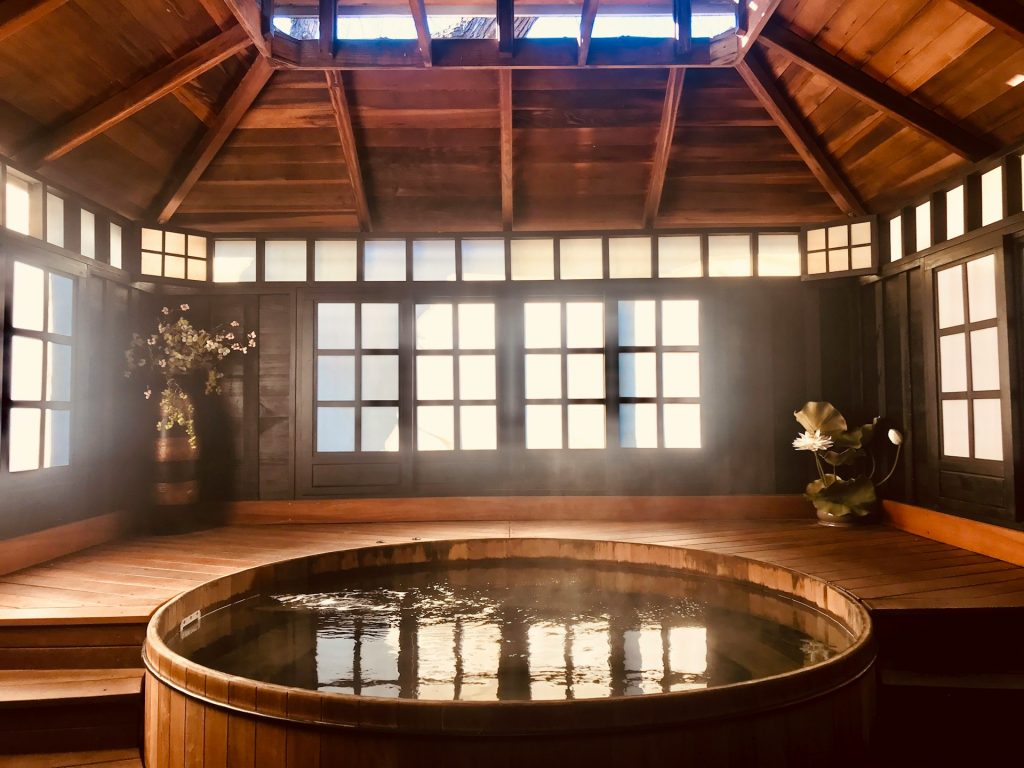
Japanese bathhouses are places for relaxation, so loud conversations and laughter are frowned upon.
- Whisper or talk quietly if necessary
- Avoid long phone calls (or better yet, leave your phone outside)
- Respect the peaceful atmosphere
In short: let the warm water do the talking!
7. No Tattoos? It Depends!
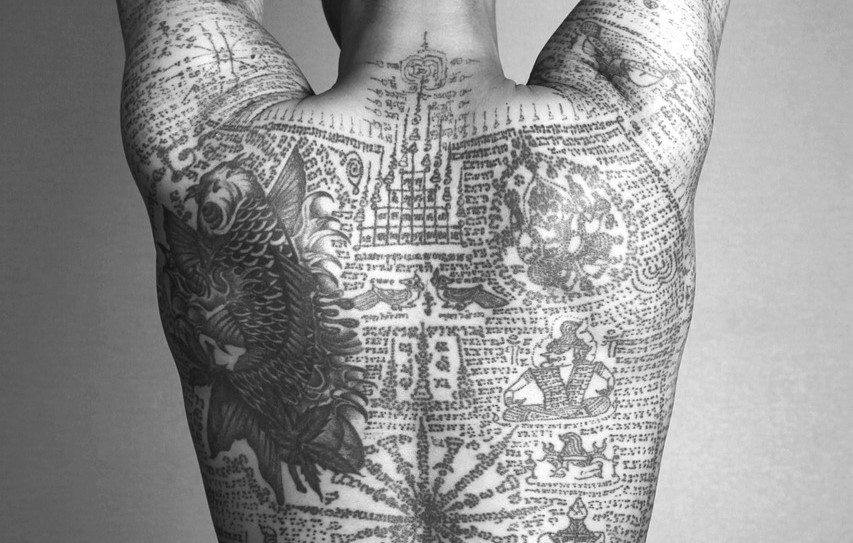
Many traditional onsen ban tattoos because of their historical association with the yakuza (Japanese mafia). However, some modern onsen are more accepting.
- Check if tattoos are allowed before visiting
- Some places provide waterproof tattoo covers for guests
- Tattoo-friendly onsen are becoming more common
If you have tattoos, researching the bathhouse policy beforehand can save you from disappointment.
8. No Photography – Respect Privacy

It may be tempting to take a selfie in a beautiful hot spring, but photography is strictly prohibited in most onsen and sento.
- Japanese bathhouses prioritize guest privacy
- Taking photos can make others uncomfortable
- Some places allow photography in specific areas (like the entrance)
Always respect the rules—and enjoy the moment without your phone.
9. Bring Your Own Towel – Or Rent One!
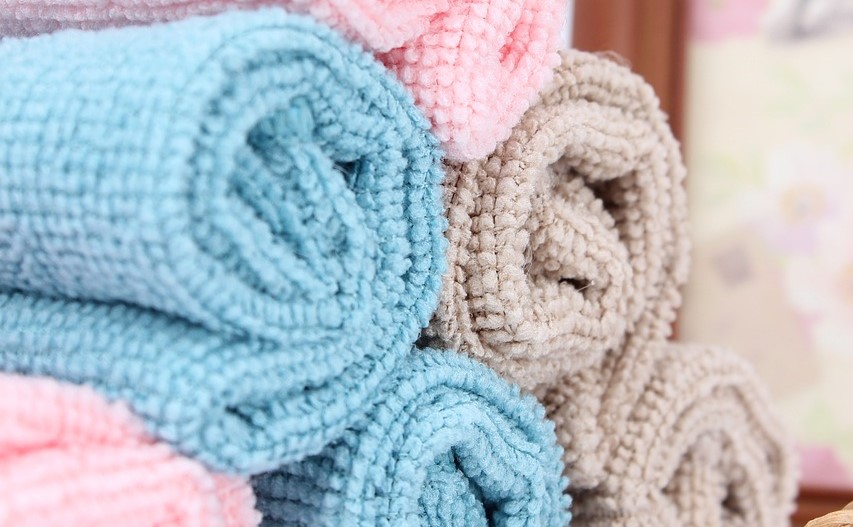
Most sento and onsen do not provide free towels, so be prepared! You can usually rent or buy a towel at the entrance if you forget one.
- Large towels are for drying, small towels are for washing
- Rental prices are usually cheap (100–300 yen)
- Some luxury onsen include towels in the entry fee
Having your own towel is a small but important part of the experience.
10. Don’t Stay Too Long – Avoid Heat Exhaustion
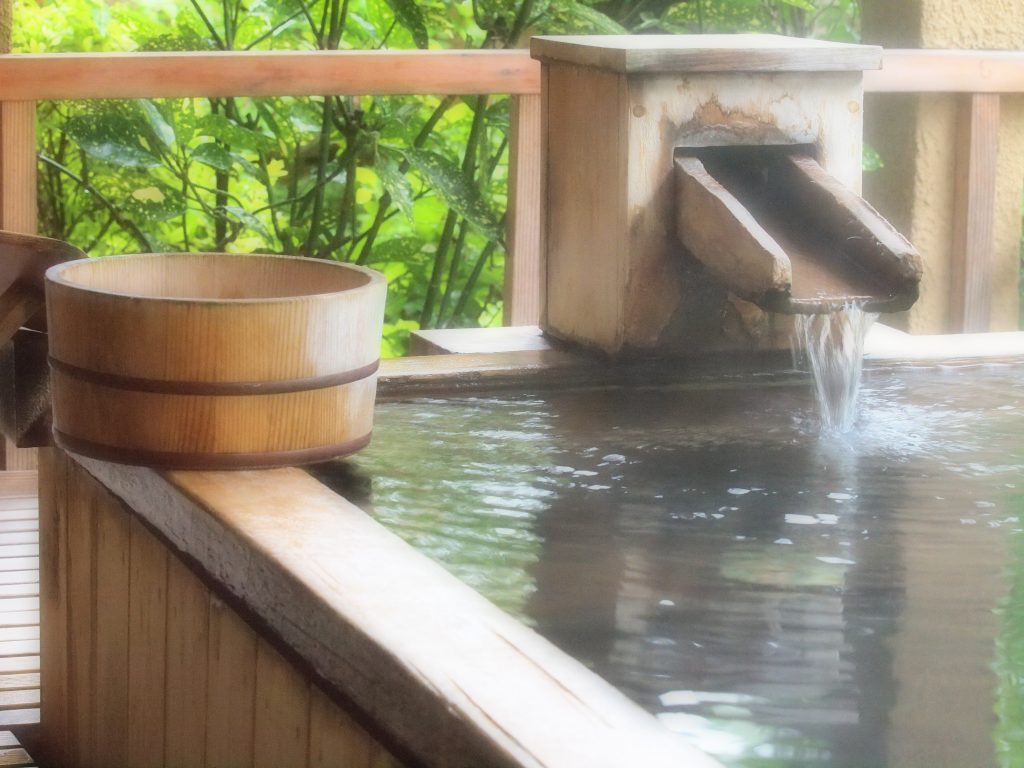
Japanese baths can be very hot (40–43°C / 104–109°F), so it’s important not to overstay your soak.
- Stay in the water for 5–15 minutes at a time
- Take breaks and drink plenty of water
- Listen to your body—dizziness means it’s time to step out
A good rule is to exit the bath before you start sweating!
Conclusion
Following these simple etiquette rules will make your onsen or sento experience much more enjoyable—for both you and the people around you.
- Respect the culture and traditions of Japanese bathing
- Stay clean and quiet to maintain a relaxing atmosphere
- Enjoy the unique and soothing experience of an onsen!
With these tips, you’re ready to bathe like a true local and fully enjoy Japan’s incredible onsen and sento culture!