

— The Deep and Powerful World of Sumo —
Sumo, Japan’s national sport, has a history spanning over a thousand years, with unique rules and deep-rooted traditions. However, beyond the surface, there are many surprising facts and hidden stories about this ancient sport. Here are 10 fascinating insights into the world of sumo!
1. Sumo Started as a Ritual – “A Match That Decided Japan’s Fate?”
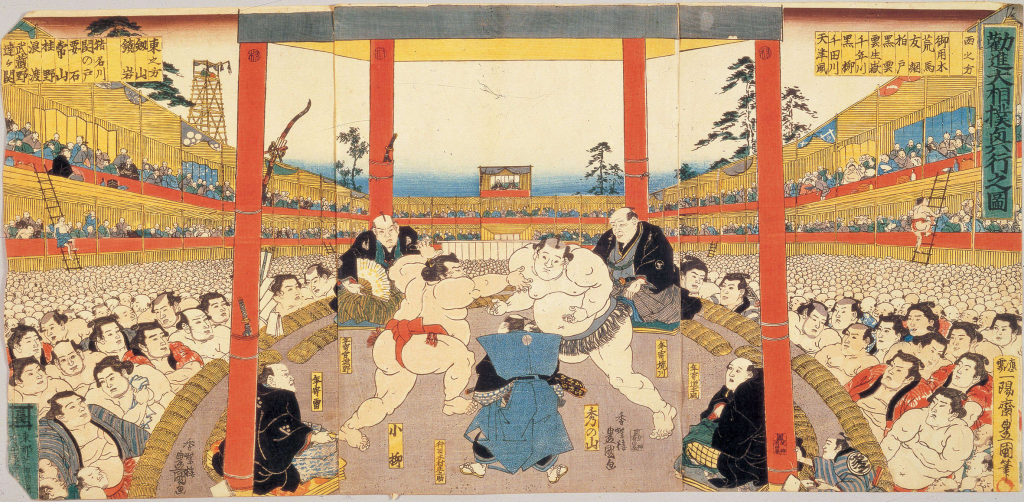
Sumo originally began as a Shinto ritual dedicated to the gods. The earliest records mention a sumo match between two deities—Takemikazuchi and Takeminakata—that determined the fate of Japan’s land.
- The Kojiki and Nihon Shoki mention “sumo of the gods.”
- In the Nara period, sumo was performed at the imperial court.
- Shinto rituals, such as the ring purification, remain in modern sumo.
🔹 Sumo was not just a sport—it was a sacred ceremony!
2. Sumo Wrestlers Were Edo-Era Superstars!
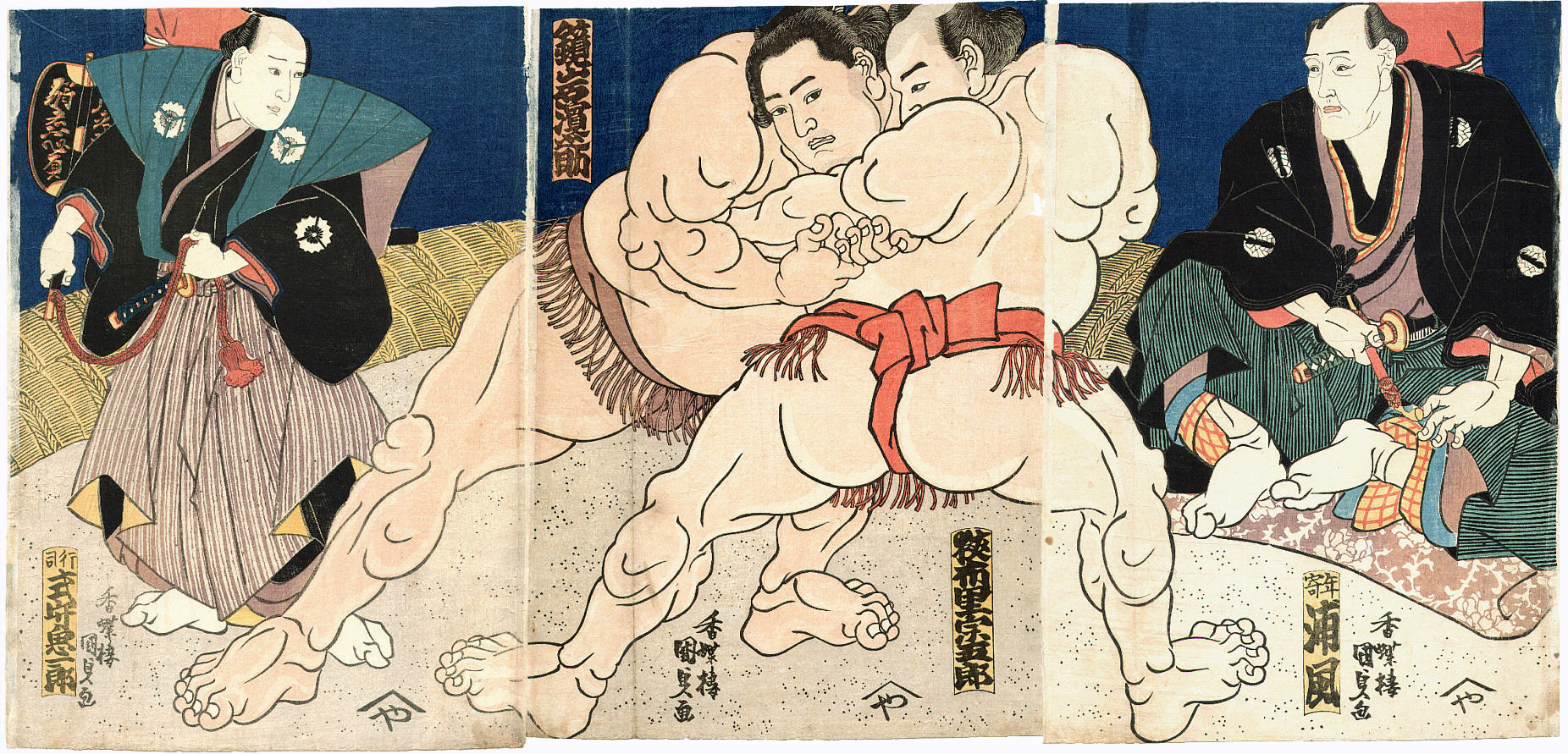
In the Edo period, sumo wrestlers were idolized like modern-day celebrities. Their portraits and woodblock prints were sold to fans, and people even named their children after famous rikishi.
- Famous artists like Hokusai and Kuniyoshi depicted sumo wrestlers.
- Fan clubs supported specific wrestlers, similar to modern sports teams.
- Their names became popular for boys born in that era.
🔹 Sumo wrestlers were the “rock stars” of Edo Japan!
3. Sumo Wrestlers Must Follow a Strict Dress Code
Sumo wrestlers must adhere to a strict dress code even in everyday life. Their appearance reflects the traditions and prestige of the sumo world.
- They must wear kimono or traditional attire when outside.
- They are not allowed to wear Western clothing (except for special cases).
- Higher-ranked wrestlers can wear finer silk garments.
🔹 Sumo wrestlers represent their sport at all times—even off the ring!
4. The Ring is Off-Limits to Women – “Why Can’t Women Enter the Dohyo?”
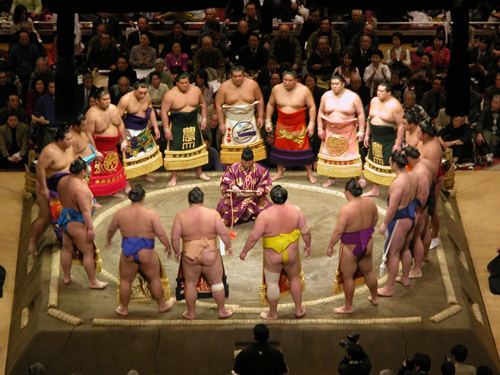
Sumo’s ring, the dohyo, is considered sacred ground, and women have historically been prohibited from entering due to Shinto beliefs about purity.
- The dohyo is considered a space free from “impurities.”
- In the past, tournaments were even stopped if a woman accidentally entered.
- There have been recent debates on whether this rule should be changed.
🔹 The tradition remains controversial in modern times!
5. The Unique Ranking System – “Why Is the East Side Higher Ranked?”
Sumo wrestlers are ranked in a hierarchical system called the banzuke, but the way rankings are written is quite unique.
- The top-ranked “Yokozuna” is written in the largest characters.
- Banzuke charts are unfolded, never folded, to symbolize continuous success.
- The East side is considered superior to the West in sumo rankings.
🔹 Sumo’s ranking system reflects a deep sense of tradition and status!
6. Life in a Sumo Stable is Tough – “A Grueling Daily Schedule!”
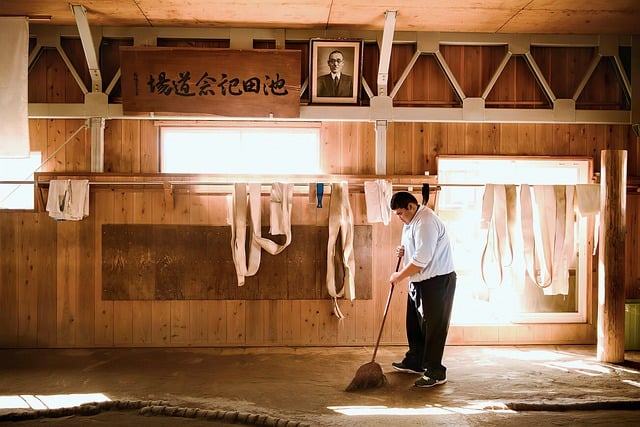
Sumo wrestlers live under a strict daily routine that revolves around training and discipline.
- They wake up at 5 AM for intense morning practice.
- They eat only two meals a day but consume massive amounts of food.
- Lower-ranked wrestlers must handle chores and serve their seniors.
🔹 Sumo life is as demanding as that of ancient samurai!
7. Chanko Nabe – The Ultimate Muscle Meal!
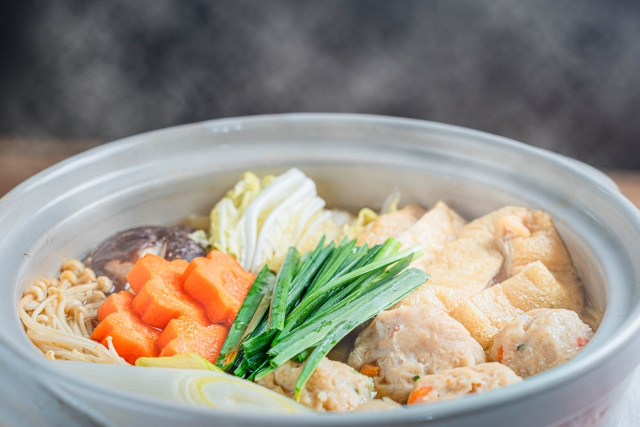
Sumo wrestlers eat a special dish called Chanko Nabe, a high-calorie stew that helps them gain weight and build muscle.
- Packed with protein, vegetables, and carbohydrates for energy.
- Eaten in massive portions to increase body mass.
- Many retired wrestlers open Chanko Nabe restaurants.
🔹 The ultimate power food that fuels sumo champions!
8. Two Types of Yokozuna Ring Entrances!
The grand champions, Yokozuna, perform two different styles of dohyo-iri (ring entrance rituals).
- “Unryu Style” – One hand is raised, representing a dragon rising to the sky.
- “Shiranui Style” – Arms are extended wide, symbolizing boundless energy.
- Each Yokozuna chooses which style they will perform.
🔹 The Yokozuna’s entrance is one of sumo’s most iconic moments!
9. Sumo is Growing in Popularity Worldwide!
Sumo has become increasingly popular outside Japan, with many foreign wrestlers rising to the top.
- Mongolian wrestlers have dominated the Yokozuna rank for decades.
- Sumo tournaments are now held in the U.S. and Europe.
- Hawaiian wrestlers once ruled the sumo world.
🔹 Sumo is evolving into a global phenomenon!
10. Life After Retirement – “Sumo is Forever”
Even after retirement, sumo wrestlers often continue careers related to their sport.
- Many become “Oyakata” (coaches) and train new wrestlers.
- Some enter the entertainment industry as TV personalities.
- Others open restaurants, especially specializing in Chanko Nabe.
🔹 Sumo is not just a career—it’s a lifelong commitment!
Conclusion – Sumo is More Than Just a Sport!
✅ Sumo began as a sacred ritual with deep historical roots.
✅ Sumo wrestlers follow a strict lifestyle and rules, both on and off the dohyo.
✅ Sumo is expanding beyond Japan and gaining international recognition!
Sumo is far more than a simple combat sport—it’s a living tradition that embodies Japan’s history, discipline, and spirit. Next time you watch a sumo match, you’ll appreciate the rich culture and traditions behind each bout even more!