

– The Samurai, Revolutionaries, and Reformers Who Changed Japan Forever –
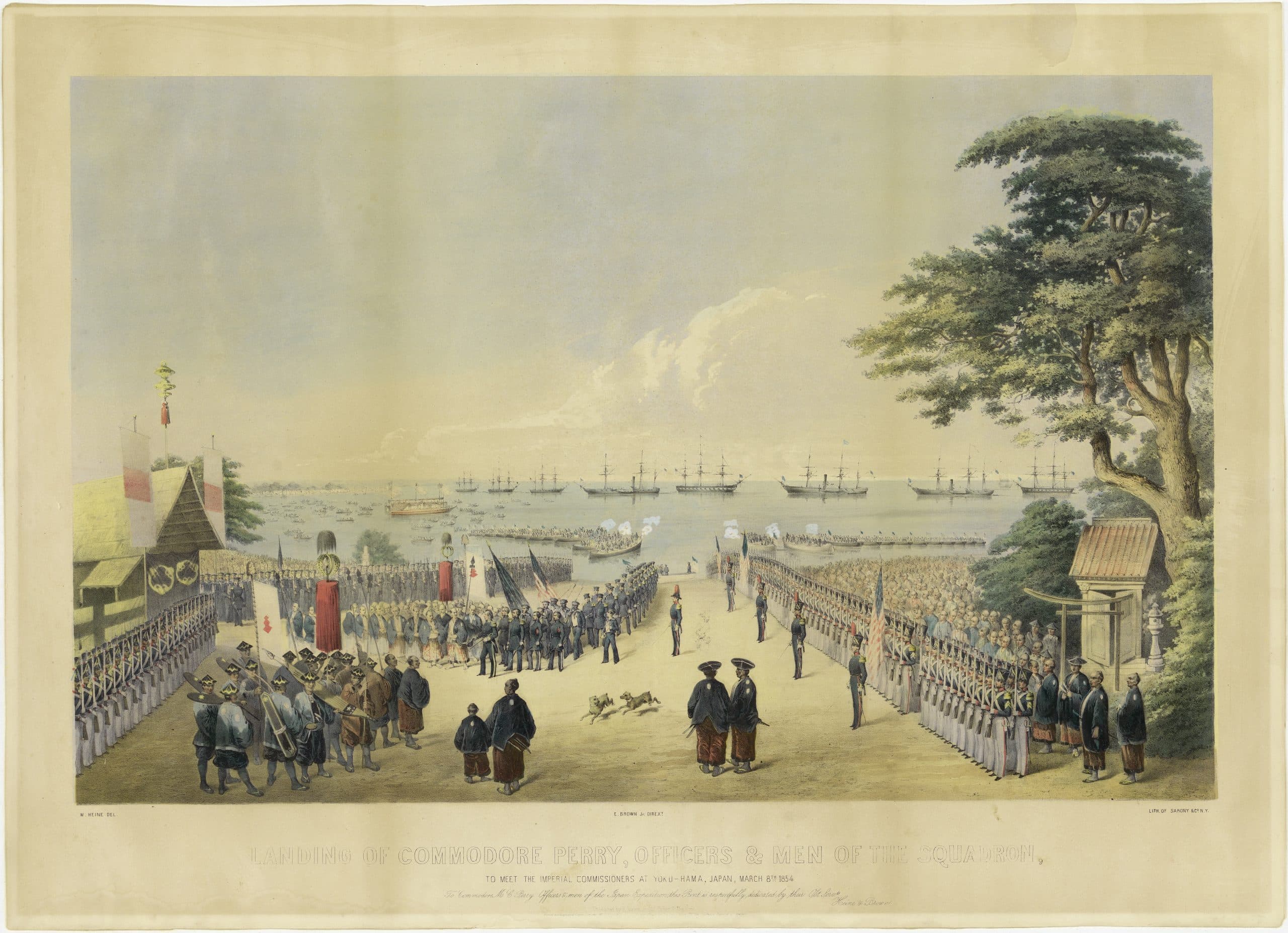
The late Edo period (Bakumatsu, 1853–1867) was a time of great upheaval in Japan. The arrival of the Black Ships, the end of Japan’s isolation, and the downfall of the Tokugawa shogunate set the stage for the Meiji Restoration (1868). Many brave individuals risked their lives to shape the new era.
Here, we introduce 10 key figures who played crucial roles in this transformation. Some fought to overthrow the shogunate, while others worked behind the scenes to modernize Japan. Without them, the country as we know it today might never have existed!
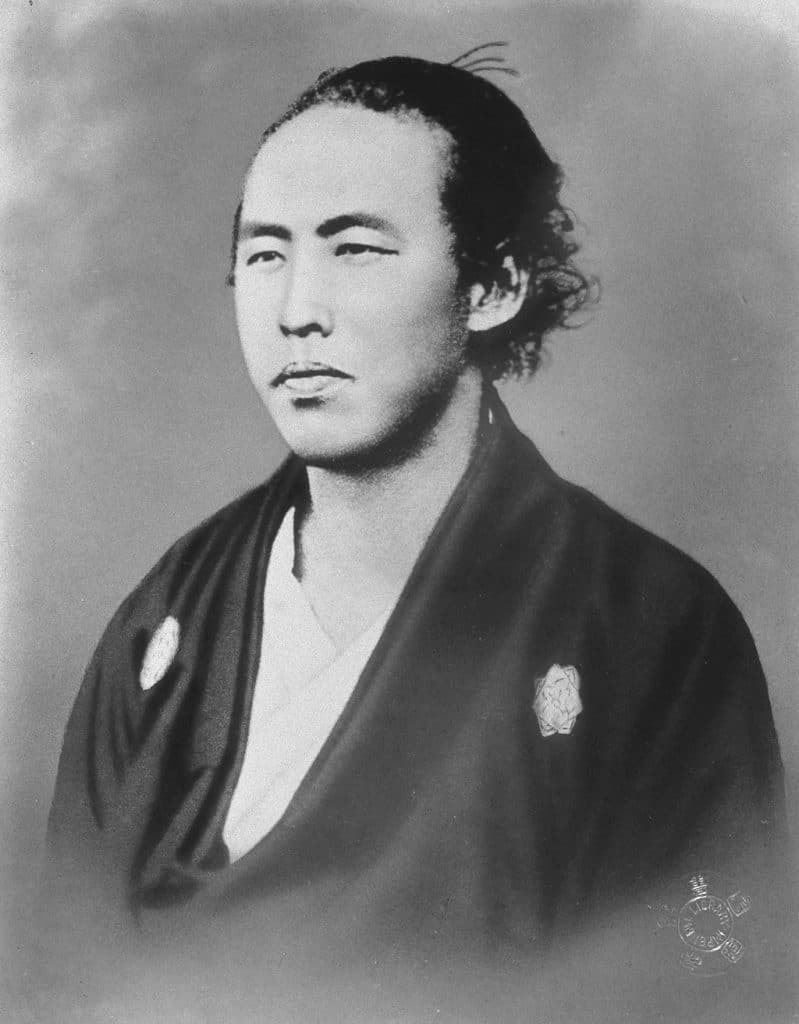
1. Sakamoto Ryōma – “The Visionary Samurai Who Dreamed of a New Japan”
(1836–1867)
A charismatic revolutionary who sought to modernize Japan. He brokered the Satsuma-Chōshū Alliance, which led to the fall of the Tokugawa shogunate, but was assassinated before seeing his dream realized.
- Helped unite Satsuma and Chōshū clans against the Tokugawa government
- Founded the “Kaientai” trading and military organization to modernize Japan
- Murdered in Kyoto at age 33—his assassin remains unknown
🔹 One of the most beloved figures of the Bakumatsu era, his dream shaped modern Japan!
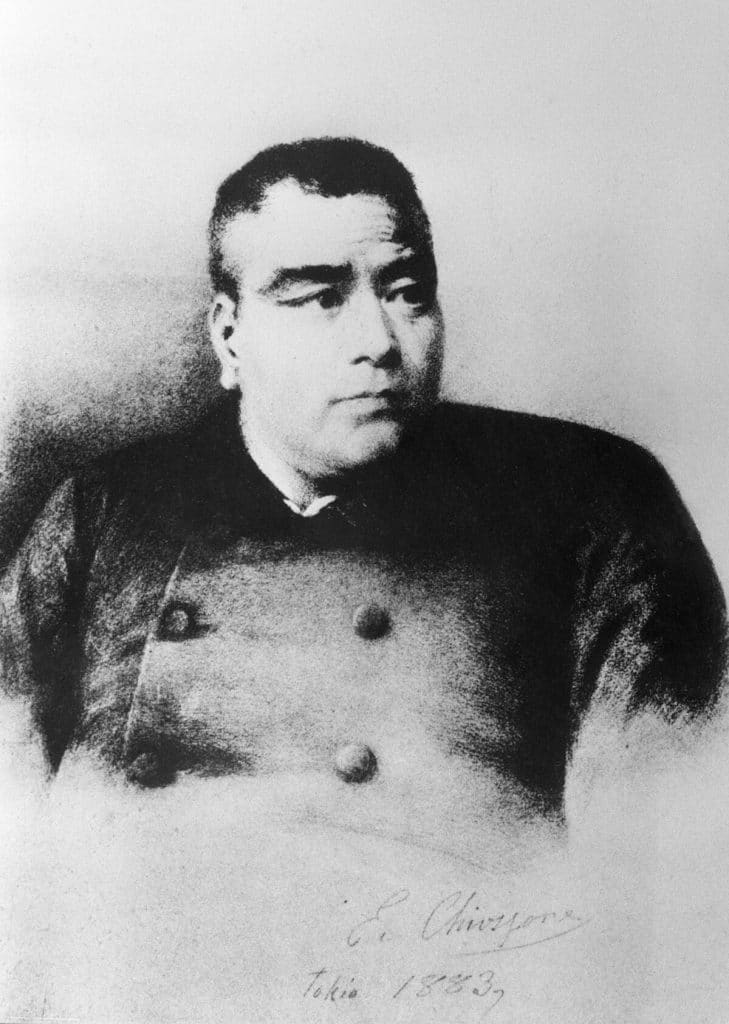
2. Saigō Takamori – “The Last Samurai”
(1828–1877)
A leader of the Satsuma domain, he played a key role in overthrowing the shogunate. Later, he opposed the new government, leading the Satsuma Rebellion, and took his own life in battle.
- Key figure in forming the Satsuma-Chōshū Alliance
- Became a high-ranking official in the Meiji government but later rebelled
- Committed seppuku (ritual suicide) after his defeat in the Satsuma Rebellion
🔹 A legendary warrior who fought for his ideals until the very end!
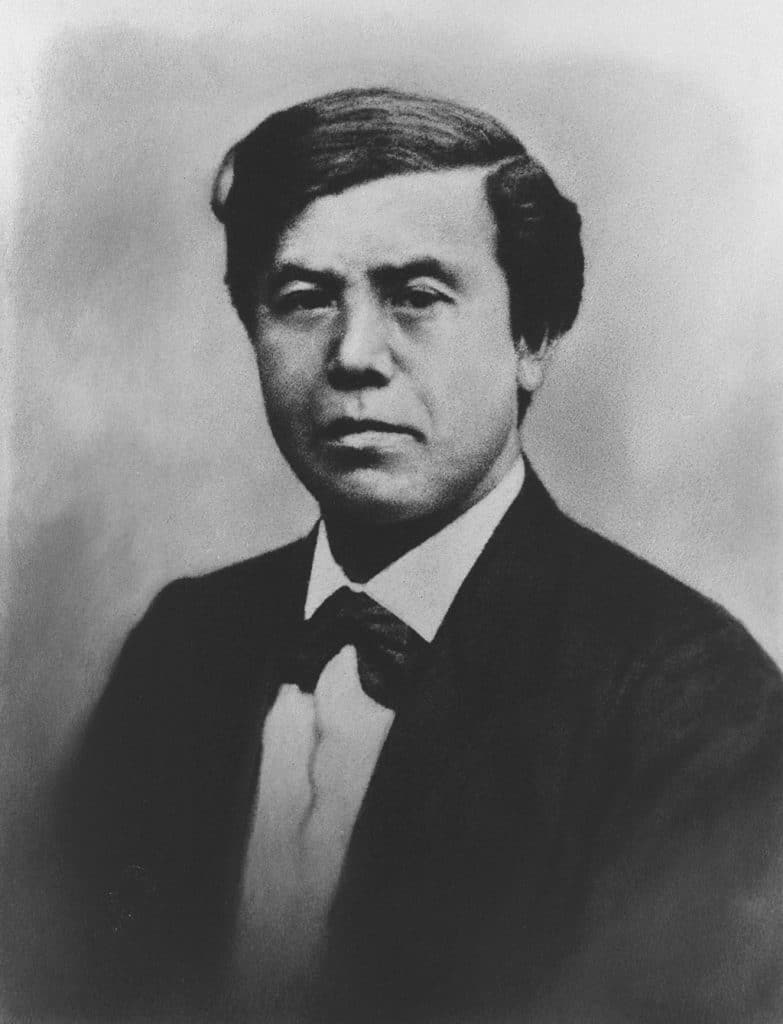
3. Kido Takayoshi (Katsura Kogorō) – “The Mastermind of the Meiji Government”
(1833–1877)
A strategic genius from Chōshū who negotiated alliances and later shaped the new Meiji government alongside Saigō Takamori and Ōkubo Toshimichi.
- Helped lead Chōshū through turbulent times while avoiding direct conflict
- One of the “Three Great Nobles of the Restoration”
- Died of illness before seeing all his reforms take full effect
🔹 A brilliant tactician whose ideas laid the foundation for modern Japan!
4. Ōkubo Toshimichi – “The Ruthless Reformer”
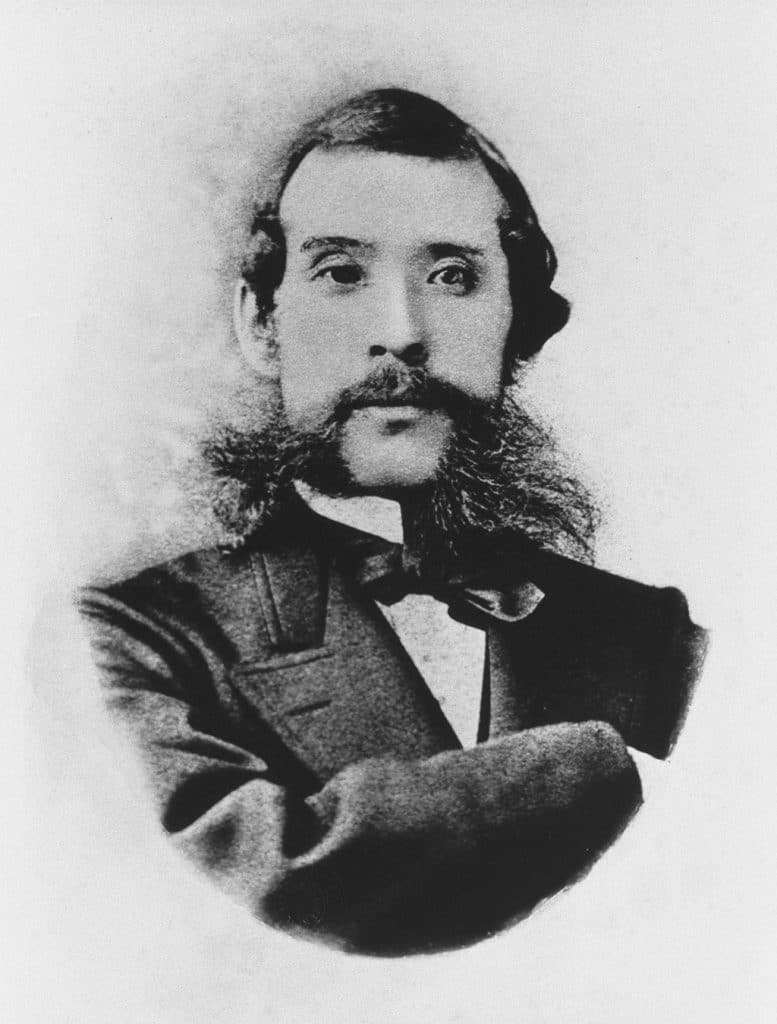
(1830–1878)
A powerful Meiji politician who pushed Japan toward modernization. His strict policies made him many enemies, leading to his assassination.
- Helped centralize the new government and abolish the samurai class
- Led economic and political reforms to modernize Japan
- Assassinated in Tokyo due to growing opposition to his policies
🔹 A key architect of Japan’s modernization, though his methods were controversial!
5. Katsu Kaishū – “The Peacemaker Who Saved Edo”
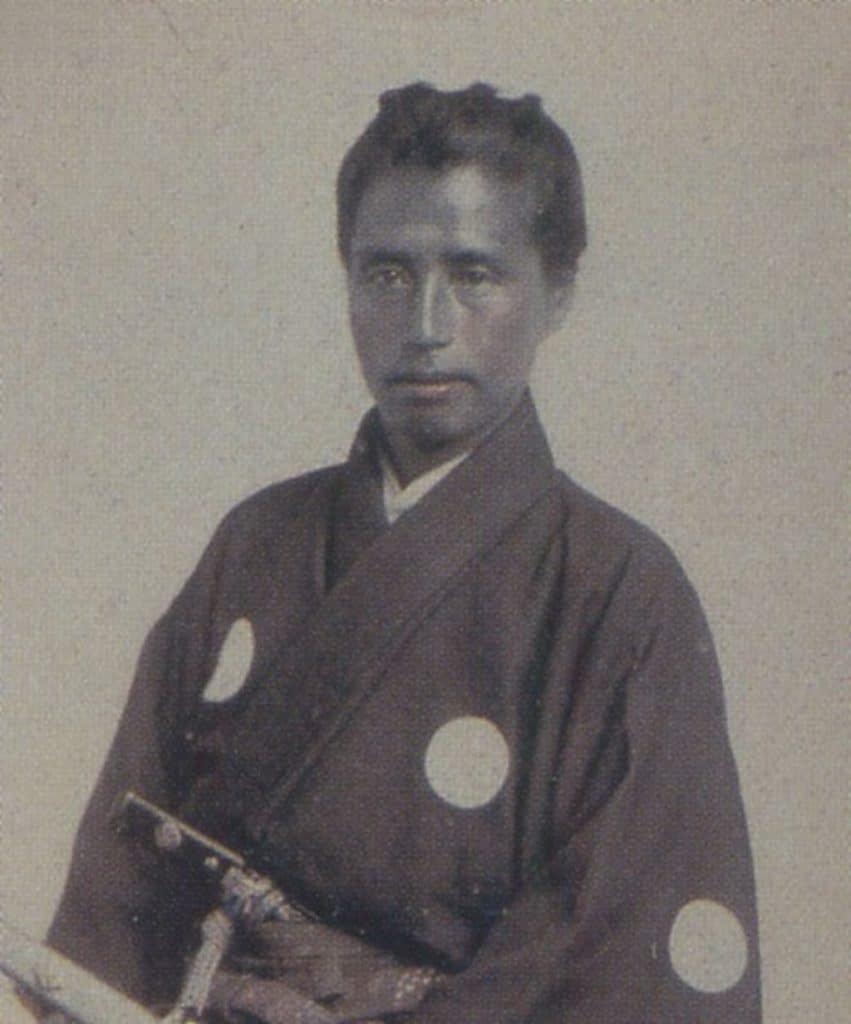
(1823–1899)
A naval officer for the Tokugawa shogunate who later negotiated Edo’s bloodless surrender to avoid destruction.
- Built Japan’s first modern navy
- Convinced Saigō Takamori to spare Edo from war
- Continued to serve Japan after the Meiji Restoration
🔹 A brilliant negotiator who prevented unnecessary bloodshed!
6. Hijikata Toshizō – “The Last Warrior of the Shinsengumi”
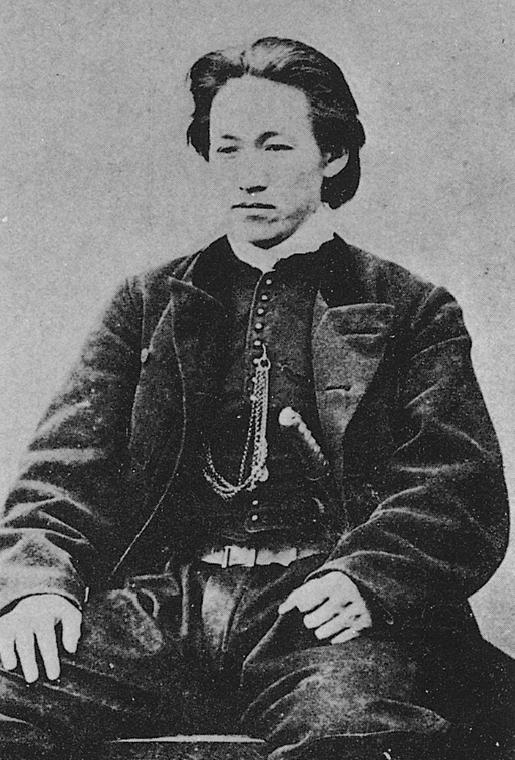
(1835–1869)
The legendary vice-commander of the Shinsengumi, he fought for the Tokugawa shogunate until his final stand at Hokkaido’s Battle of Hakodate.
- Led the Shinsengumi in their battles against anti-shogunate forces
- Refused to surrender, continuing to fight in Hokkaido
- Died in battle, preserving his samurai honor
🔹 The embodiment of the samurai spirit, fighting to the very end!
7. Takasugi Shinsaku – “The Revolutionary Who Mobilized Farmers and Merchants”
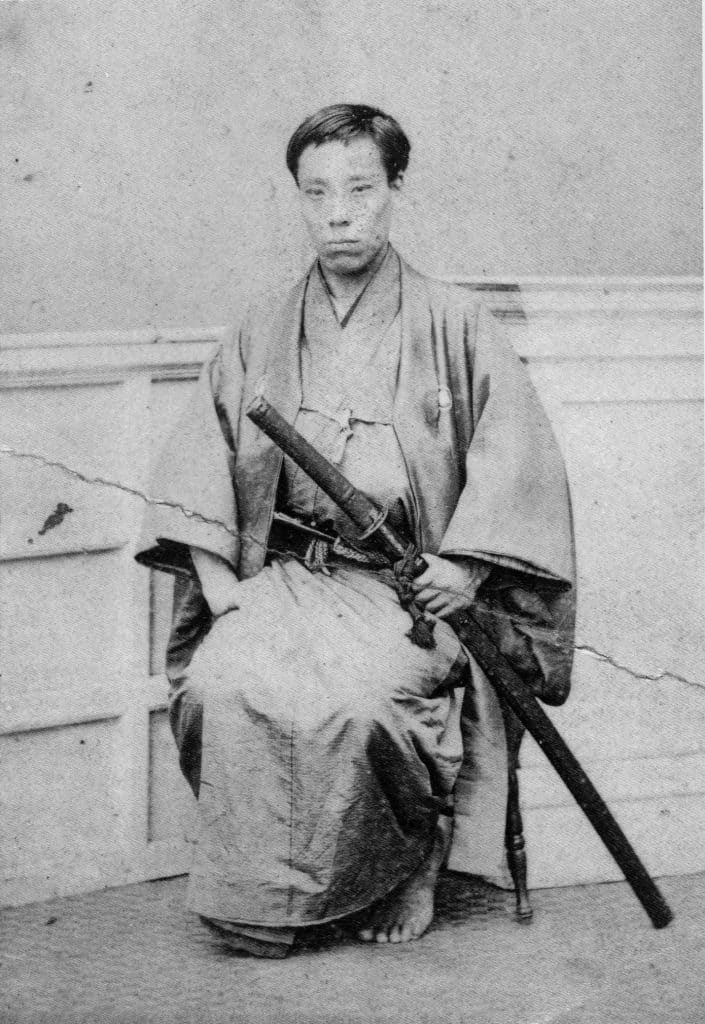
(1839–1867)
A radical thinker from Chōshū who created the Kiheitai, a militia that included commoners, revolutionizing Japan’s military.
- Organized a volunteer army (Kiheitai) to fight against the shogunate
- Played a crucial role in securing Chōshū’s victory over the Tokugawa forces
- Died young from tuberculosis, leaving behind a legacy of innovation
🔹 His unconventional ideas changed Japanese military strategy forever!
8. Nakaoka Shintarō – “The Unsung Hero of the Satsuma-Chōshū Alliance”
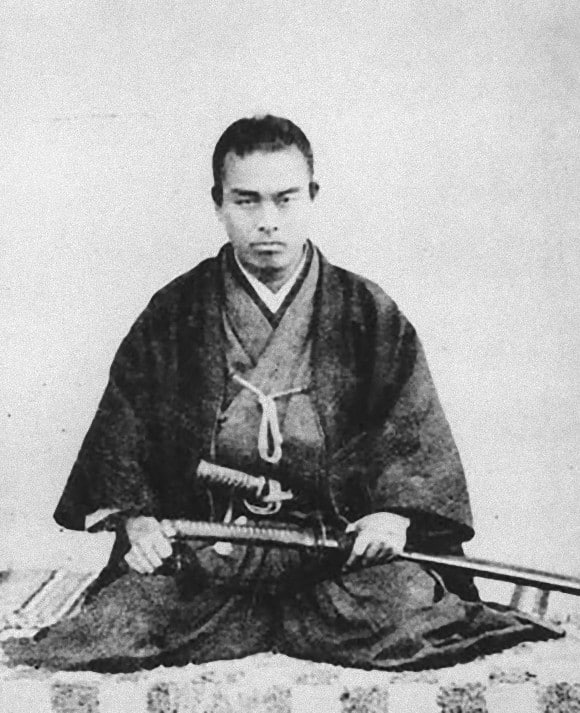
(1838–1867)
A close ally of Sakamoto Ryōma, he played a crucial role in brokering the Satsuma-Chōshū Alliance but was assassinated alongside Ryōma.
- A key negotiator in the anti-shogunate movement
- Worked closely with Sakamoto Ryōma but remained in his shadow
- Died of his wounds days after being attacked with Ryōma
🔹 A forgotten hero who helped shape Japan’s fate!
9. Etō Shinpei – “The Legal Genius Who Was Executed for Rebellion”
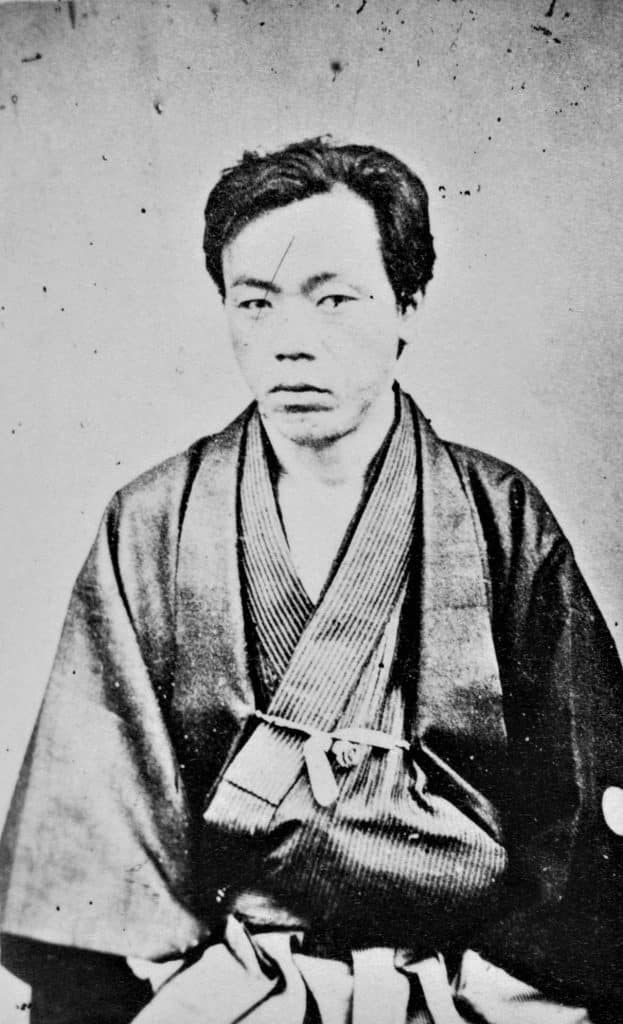
(1834–1874)
A former judicial minister of the Meiji government, he helped establish Japan’s modern legal system but later led a failed rebellion.
- Pioneered Japan’s judicial system
- Opposed Meiji policies and started the Saga Rebellion
- Captured and executed by the very government he helped build
🔹 A tragic figure who helped create Japan’s legal system but was later branded a traitor!
10. Enomoto Takeaki – “From Shogunate Loyalist to Meiji Diplomat”

(1836–1908)
A Tokugawa navy officer who fought to the end at Hakodate but later became a successful Meiji statesman.
- Led the last resistance against the Meiji government in Hokkaido
- Surrendered and was later pardoned, serving as a diplomat
- Helped negotiate treaties with foreign powers
🔹 One of the few Tokugawa loyalists who successfully adapted to the new era!
The Legacy of These Heroes
These 10 figures shaped Japan’s transformation from a feudal state into a modern nation. Some fought with swords, others with words, but all left an undeniable mark on history.
Who among them do you find most fascinating? Their stories continue to inspire and remind us that one person’s determination can change the world!