

Throughout Japan’s long history, many enigmatic disappearances have occurred—lost treasures, erased records, and people who vanished without a trace. Some of these mysteries have been buried in history, while others continue to spark debate among scholars and enthusiasts. Here are 10 of the most fascinating cases of things that disappeared in Japanese history.
1. The Lost Tokugawa Treasure – The Mystery of the Shogunate’s Missing Gold
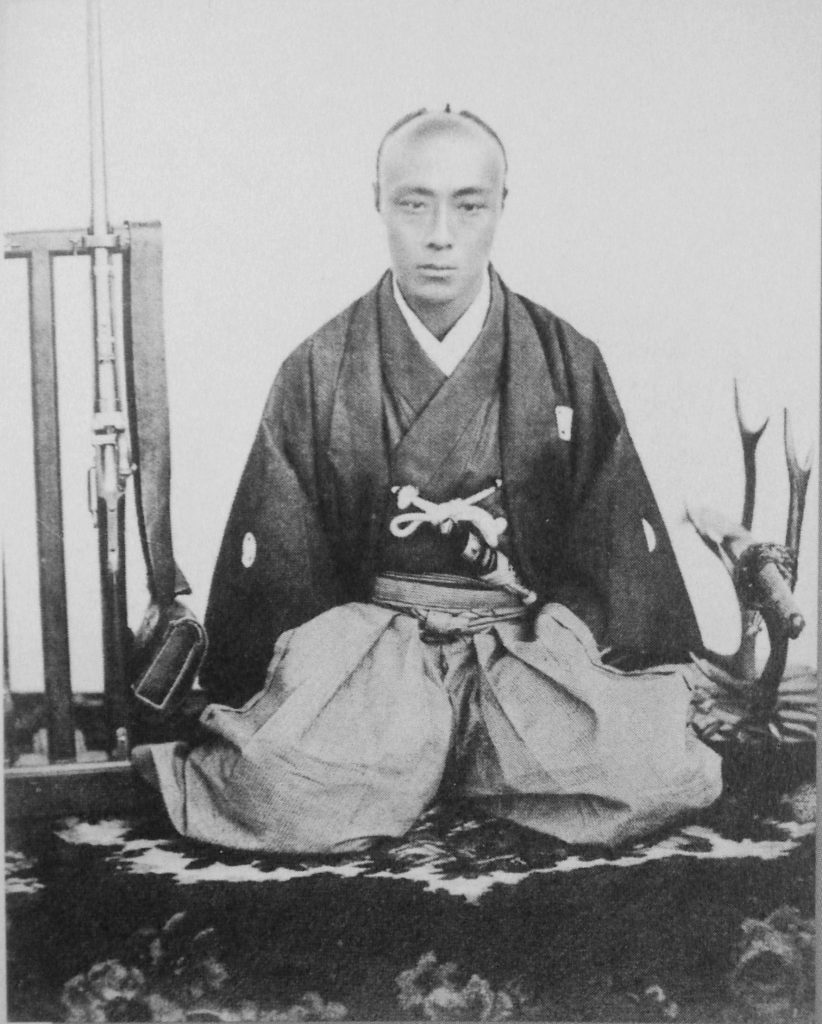
At the end of the Edo period, a vast fortune of gold and silver allegedly belonging to the Tokugawa shogunate disappeared without a trace.
During the chaotic years following the fall of the Tokugawa regime in 1868, rumors spread that the shogunate had hidden its immense wealth somewhere in Japan. One theory suggests that the treasure was secretly transported to underground vaults, deep in the mountains, while another claims that it was smuggled overseas.
Even today, no one has found conclusive evidence of the hidden Tokugawa treasure, leaving historians and treasure hunters puzzled.
2. The Disappearance of the Imperial Regalia – The Vanished Three Sacred Treasures
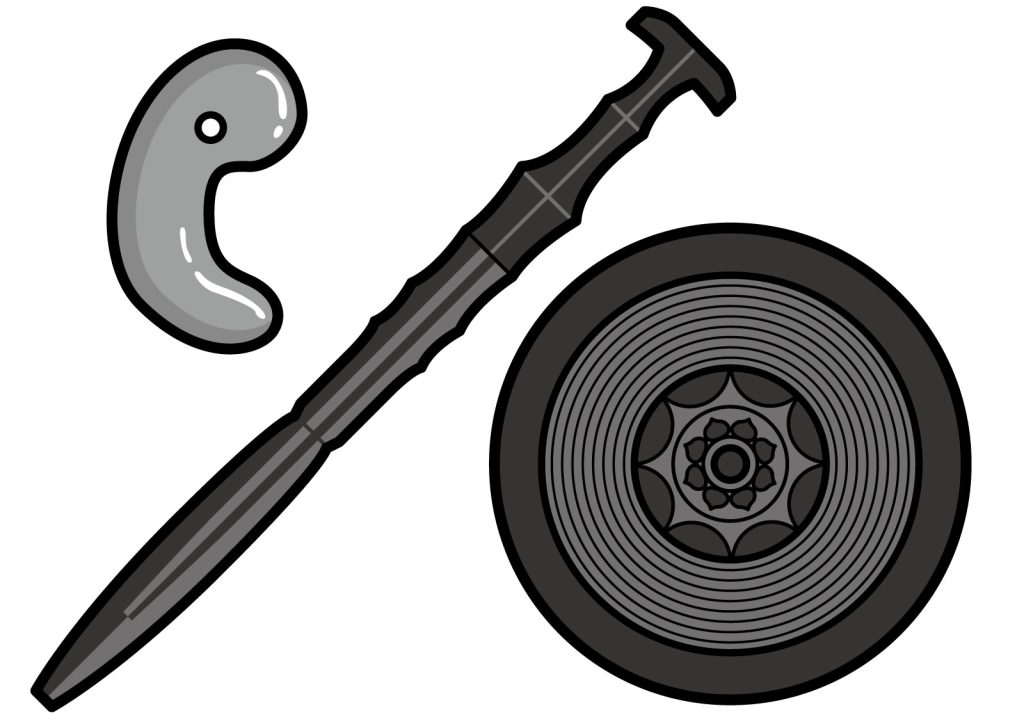
The Three Sacred Treasures of Japan—the Sword (Kusanagi-no-Tsurugi), Mirror (Yata-no-Kagami), and Jewel (Yasakani-no-Magatama)—symbolize the legitimacy of Japan’s emperor. However, at least one of these treasures has gone missing.
The sword Kusanagi was lost in the Battle of Dannoura (1185) when the Taira clan was defeated. Some accounts claim that it sank into the sea, while others suggest that it was recovered and remains hidden.
Additionally, because the actual treasures are never displayed, some speculate that all three relics might have been replaced with copies long ago.
3. The Vanished Kingdom of Yamatai – The Elusive Land of Queen Himiko
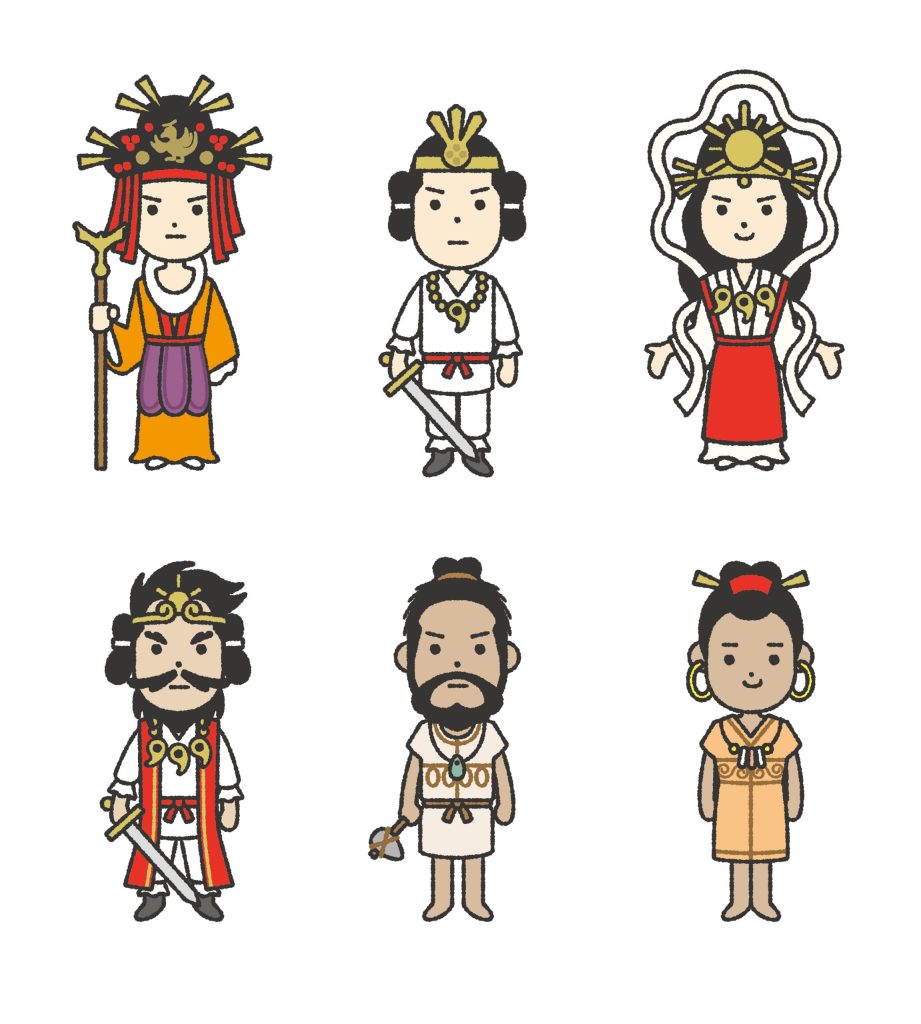
One of Japan’s greatest historical mysteries is the exact location of Yamatai, the ancient kingdom ruled by Queen Himiko in the 3rd century.
The Chinese chronicle “Records of the Three Kingdoms” describes Yamatai, but it does not provide a precise location. The two leading theories place it either in northern Kyushu or the Kansai region, yet no definitive ruins have been found.
4. The Mystery of the Missing Dogū – Who Created These Strange Figurines?
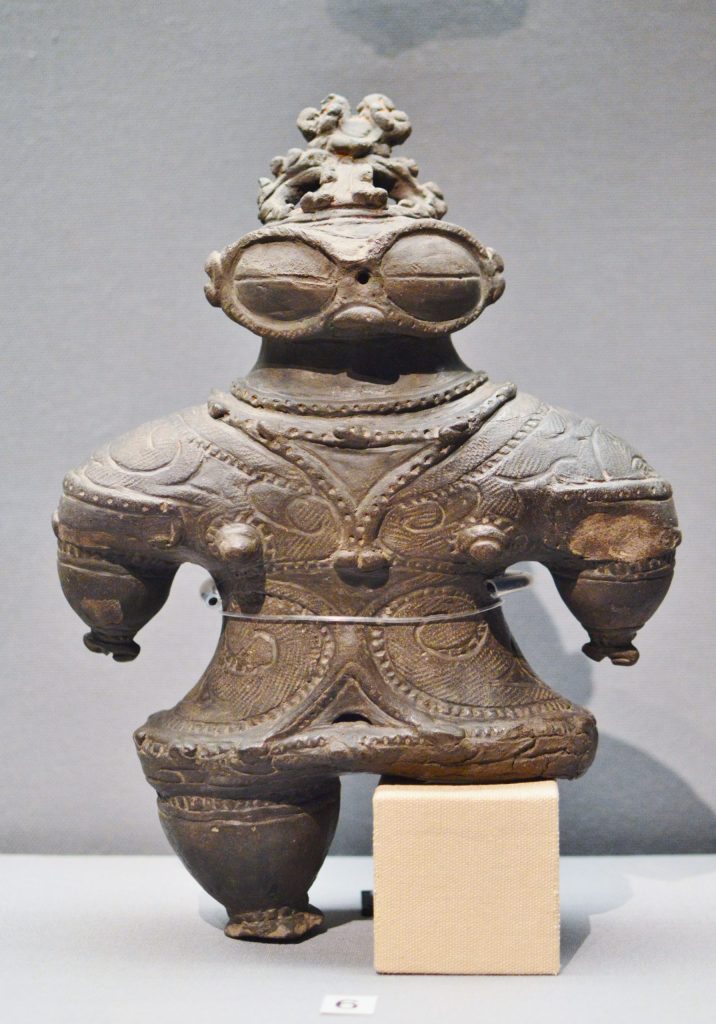
During Japan’s Jōmon period (14,000–300 BCE), mysterious clay figures called dogū were crafted. These figurines, often featuring large eyes and unusual body shapes, have unknown purposes and seem to vanish from history after this era.
Some scholars believe they represent deities or fertility symbols, while others suggest they were ritual objects. A few even speculate that the figures depict ancient extraterrestrial encounters.
However, what truly adds to the mystery is that the knowledge and tradition of making dogū abruptly disappeared. There are no clear records explaining why these artifacts stopped being created.
5. The Missing Lineage of the Imperial Family – The Vanished Bloodlines
Japan’s imperial family boasts the oldest hereditary monarchy in the world, but many branches of the imperial lineage have mysteriously disappeared throughout history.
During certain periods, rival clans, political purges, or natural disasters erased entire family lines. For example, after the downfall of the Southern Court (14th century), some imperial descendants were never heard from again.
There are also theories that some of these lost bloodlines survived in secrecy, blending into ordinary Japanese society.
6. The Vanishing of the Hōjō Clan – How Did an Entire Family Disappear?
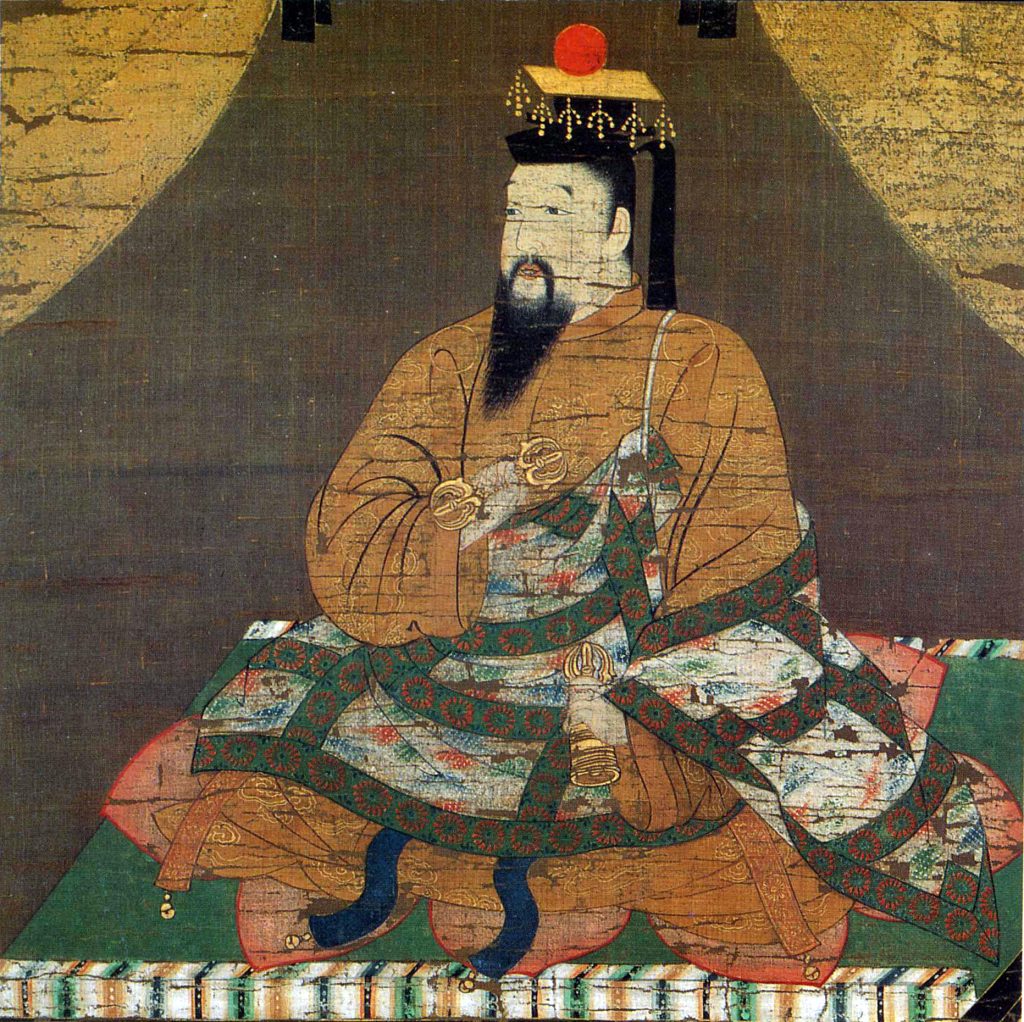
The Hōjō clan, which ruled Japan as regents during the Kamakura period (1185–1333), met a tragic end when Kamakura was besieged by Emperor Go-Daigo’s forces in 1333.
As the city burned, over 800 members of the Hōjō family reportedly committed mass suicide at Tōshō-ji Temple. However, some historians believe that not all of them perished.
There are rumors that a few Hōjō survivors fled, changed their identities, and continued their lineage in secrecy. Some families today even claim descent from the lost Hōjō bloodline.
7. The Missing Remains of Oda Nobunaga – The Mystery of His Final Moments
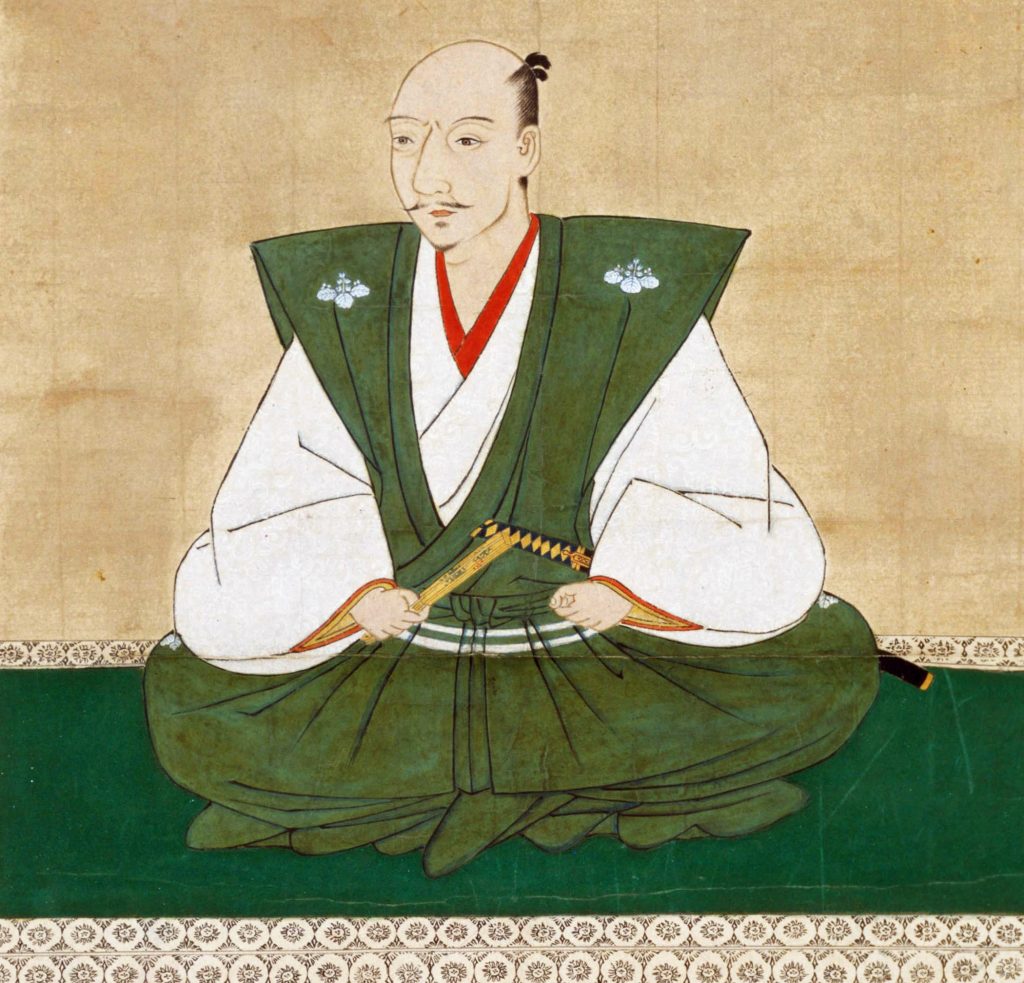
One of the greatest mysteries in Japanese history is the disappearance of Oda Nobunaga’s body after the Honnō-ji Incident in 1582.
Nobunaga, the powerful warlord, was attacked by his vassal Akechi Mitsuhide at the temple of Honnō-ji. The temple was set on fire, and Nobunaga supposedly committed seppuku (ritual suicide). However, when the flames died down, his body was never found.
Some believe that his remains were completely reduced to ashes in the fire, while others suggest that he escaped and lived in hiding. Another theory suggests that his loyal retainers secretly removed his body before Mitsuhide’s forces could seize it.
There are even rumors that Tokugawa Ieyasu later discovered Nobunaga’s remains and had them secretly buried. To this day, the fate of Oda Nobunaga’s body remains an unsolved mystery.
8. The Lost 200 Years – The Mysterious “Blank Century” in Japanese History
Between the 4th and 5th centuries, Japan experienced a mysterious “Blank Century”—a period with almost no written historical records.
This era coincides with the early Kofun period, when massive burial mounds (kofun) were built across Japan. Despite being a significant time for Japan’s development, historical texts like the Nihon Shoki and Kojiki barely mention these 200 years.
Some scholars believe that Japan’s interactions with China and Korea during this time were deliberately erased from history due to political reasons. Others suggest that a major internal conflict or shift in power took place, leading to an intentional cover-up.
Why was this period left undocumented? Was something so significant hidden that it had to be erased? The mystery of Japan’s lost 200 years remains an enigma for historians.
9. The Shadow of Hattori Hanzō – What Happened to the Legendary Ninja?
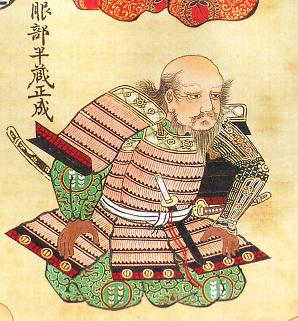
Hattori Hanzō is one of the most famous ninjas in history, serving Tokugawa Ieyasu during the late Sengoku period. However, much of what we know about him may be fictional.
His real name was Hattori Masanari, and he was actually a samurai from Iga, not a ninja. Many of the legendary feats attributed to him—such as using supernatural ninjutsu—were written long after his death.
Adding to the mystery, records of Hanzō’s direct descendants are strangely missing, and the elite Iga ninja force he supposedly commanded has no solid historical proof.
Could it be that Hattori Hanzō was a fabrication—a creation of later generations to romanticize the ninja? Or did history deliberately erase his true story?
10. The Lost Oracle of Usa Shrine – A Hidden Secret About Japan’s Imperial Family?
In the year 769 AD, a mysterious event known as the Oracle of Usa Shrine took place, shaking the foundations of Japan’s imperial court.
The Empress Shōtoku had been promoting the Buddhist monk Dōkyō as her successor. She claimed that the god of Usa Shrine (present-day Ōita Prefecture) had delivered a divine message supporting Dōkyō’s ascension to the throne.
However, the court sent an envoy to verify this claim. The official later reported that no such oracle existed, leading to Dōkyō’s downfall and exile.
Strangely, after this event, many historical records related to the Usa Shrine were erased. Did the imperial family attempt to install a non-royal ruler? Was there an actual oracle that was silenced to protect the imperial bloodline?
This incident raises the unsettling question: What hidden truths about Japan’s ancient monarchy were buried along with this event?
Conclusion
Japan’s history is rich with unsolved mysteries, from vanished kingdoms and missing artifacts to erased bloodlines and hidden treasures. Some of these enigmas may one day be solved, but others may remain secrets forever, buried in the depths of time.
Perhaps the greatest question is: What else has been lost to history that we will never uncover?