

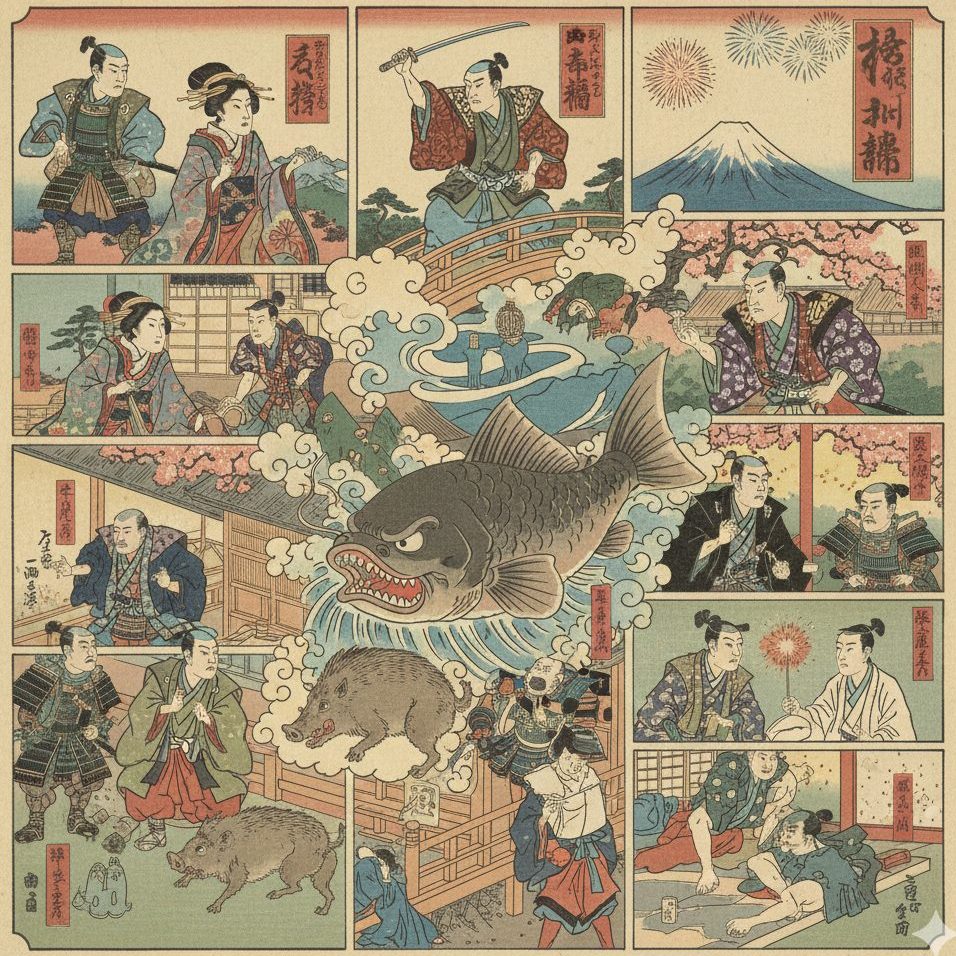
Japanese history is full of bizarre and inexplicable events that do not appear in textbooks. Some stories resemble supernatural phenomena, while others are enigmatic incidents shrouded in historical mystery. Here, we introduce ten strange occurrences from Japanese history.
1. The Mystery of the Honnō-ji Incident
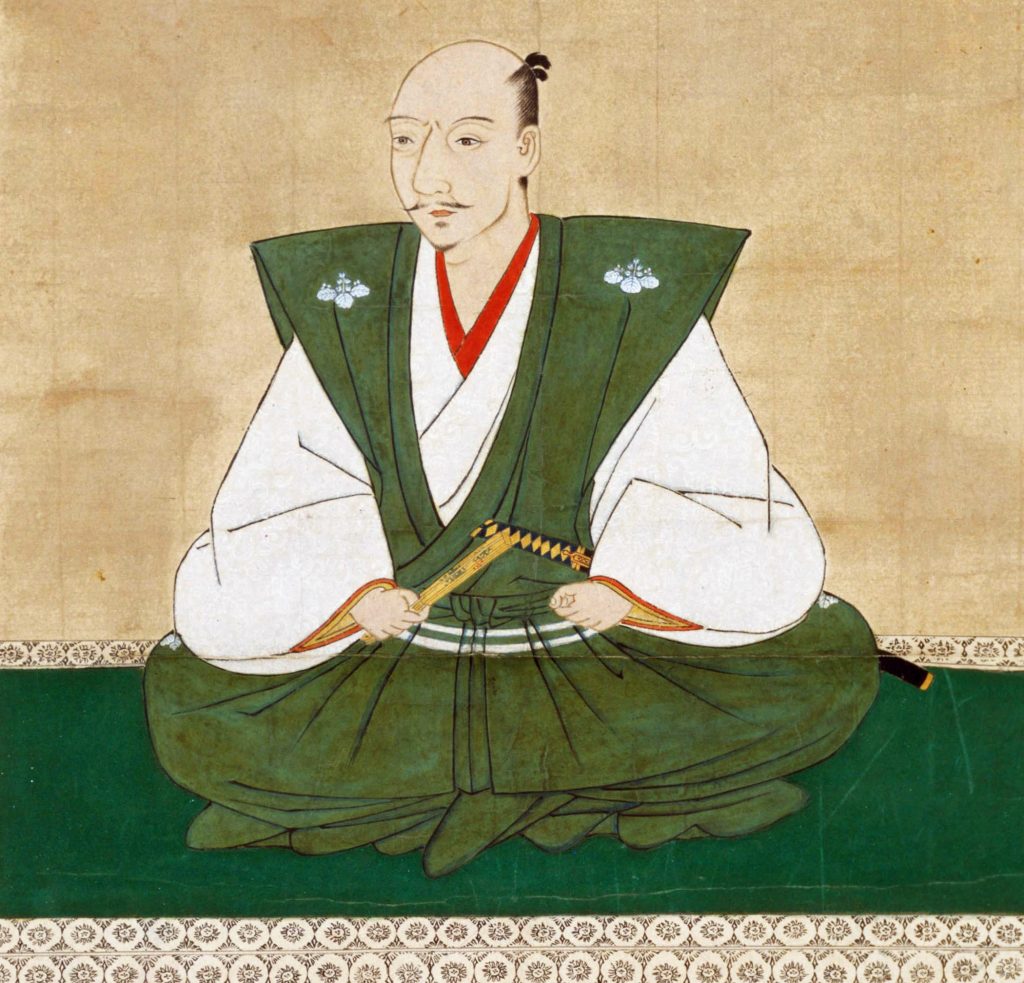
In 1582, the assassination of Oda Nobunaga by Akechi Mitsuhide, known as the Honnō-ji Incident, remains one of the greatest mysteries in Japanese history. Why did Mitsuhide betray his lord? Many theories exist, but no conclusive evidence has been found. Some suggest Tokugawa Ieyasu was involved, while others propose that the Imperial Court orchestrated the coup.
✅ Mystery Points:
- Was Mitsuhide’s motive truly “personal resentment”?
- Was Mitsuhide’s death ever truly confirmed?
- How did Toyotomi Hideyoshi manage to retaliate in just 11 days?
2. The Phantom Double of Takeda Katsuyori
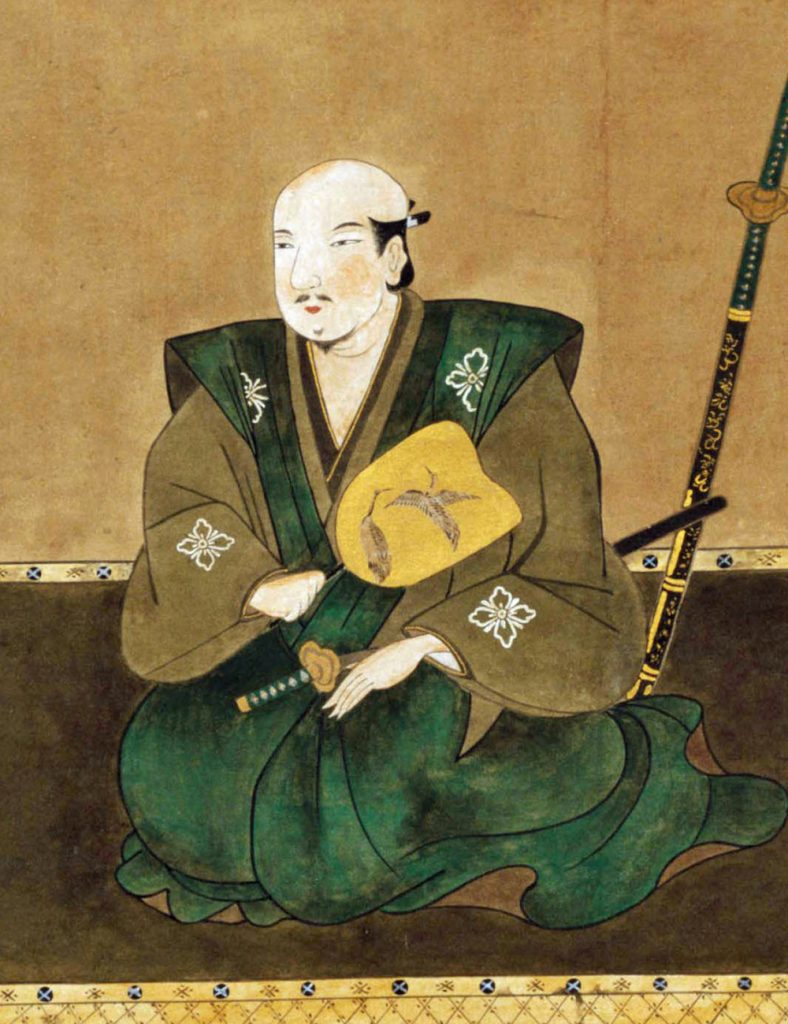
Takeda Katsuyori, son of Takeda Shingen, is said to have committed suicide after being defeated by the Oda-Tokugawa alliance. However, some theories suggest that he had a double, and the real Katsuyori might have escaped and lived in secrecy. The Takeda clan was known to use decoys since Shingen’s era.
✅ Mystery Points:
- Did he really commit suicide, or was it his double?
- Is there any evidence of a decoy?
- What proof exists that Katsuyori may have survived?
3. The Aristocrat Abducted by Tengu

During the Heian period, a noble from the Fujiwara family was reportedly abducted by a tengu and returned years later. He claimed to have traveled to a “different world” and to have gained mysterious powers. This legend is considered one of the earliest records of Japan’s “spirited away” folklore.
✅ Mystery Points:
- Was he truly abducted by a tengu?
- Where did he disappear to?
- What was the so-called “different world” he experienced?
4. The Phantom Fireballs of the Sengoku Battlefields
During the Sengoku period, reports of glowing fireballs known as “hitodama” (human souls) frequently appeared on battlefields. These were even seen in battles involving Takeda Shingen and Uesugi Kenshin. Were these supernatural manifestations, or were they merely natural phenomena?
✅ Mystery Points:
- What was the real cause of these battlefield fireballs?
- Were they spirits or natural occurrences?
- Why were there so many witnesses?
5. The Elusive Location of Yamatai Kingdom
The exact location of Queen Himiko’s Yamatai Kingdom remains a mystery. While the Kyushu and Kinki region theories are the most prominent, no definitive evidence has been found, making this one of the greatest enigmas of Japanese history.
✅ Mystery Points:
- Why has no trace of Yamatai been found?
- Where is Queen Himiko’s tomb?
- Why are there almost no records of Yamatai in Japanese historical texts?
6. Were Demons (Oni) Real?
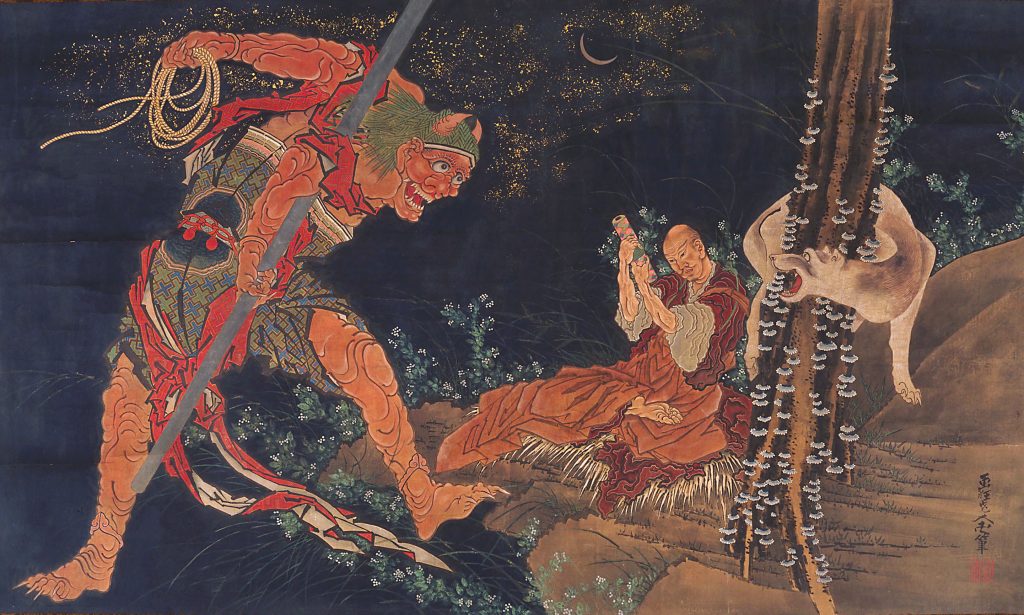
Japan’s folklore describes “oni” (demons) in many legends. Some theories suggest that oni were not mythical beings but an actual race of people who once lived in Japan. Ruins found in areas associated with oni legends may provide clues to their existence.
✅ Mystery Points:
- Were oni actually humans?
- Could oni extermination stories be accounts of ancient conflicts?
- What is the connection between legends and archaeological sites?
7. The Ghost Panic of the Edo Period
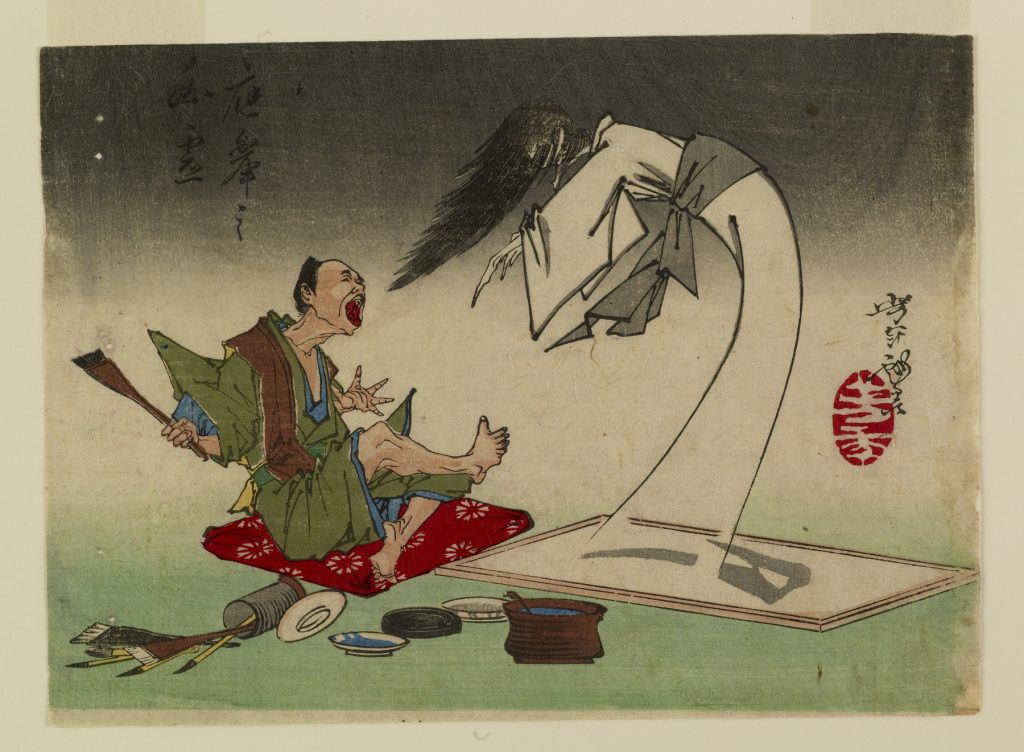
During the Edo period, official records describe incidents of mass ghost sightings. In one case, a haunted samurai residence caused such panic that the domain lord had to take countermeasures.
✅ Mystery Points:
- Were these widespread sightings real?
- What does it mean that the government took action?
- Was it truly paranormal, or a psychological phenomenon?
8. The Curse of Taira no Masakado
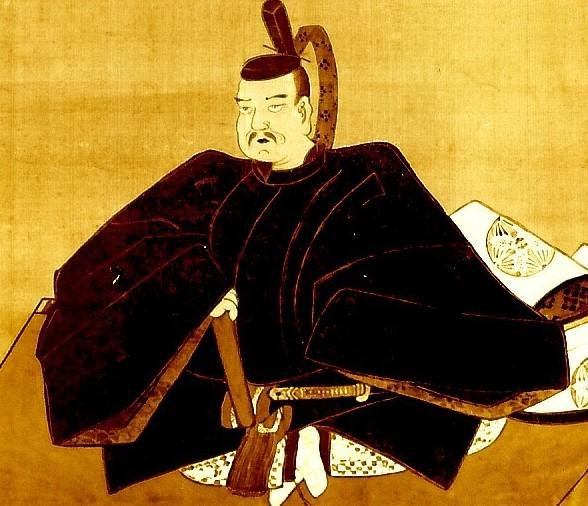
Taira no Masakado, a Heian-period warrior, was said to have had his severed head fly through the air and land in modern-day Tokyo. His grave is still carefully maintained today, as moving it is rumored to bring misfortune.
✅ Mystery Points:
- Did his head really fly?
- Why does disturbing his grave allegedly bring disasters?
- Are the tales of his curse mere coincidences, or is there something more?
9. The Truth About Ninja Master Hattori Hanzō
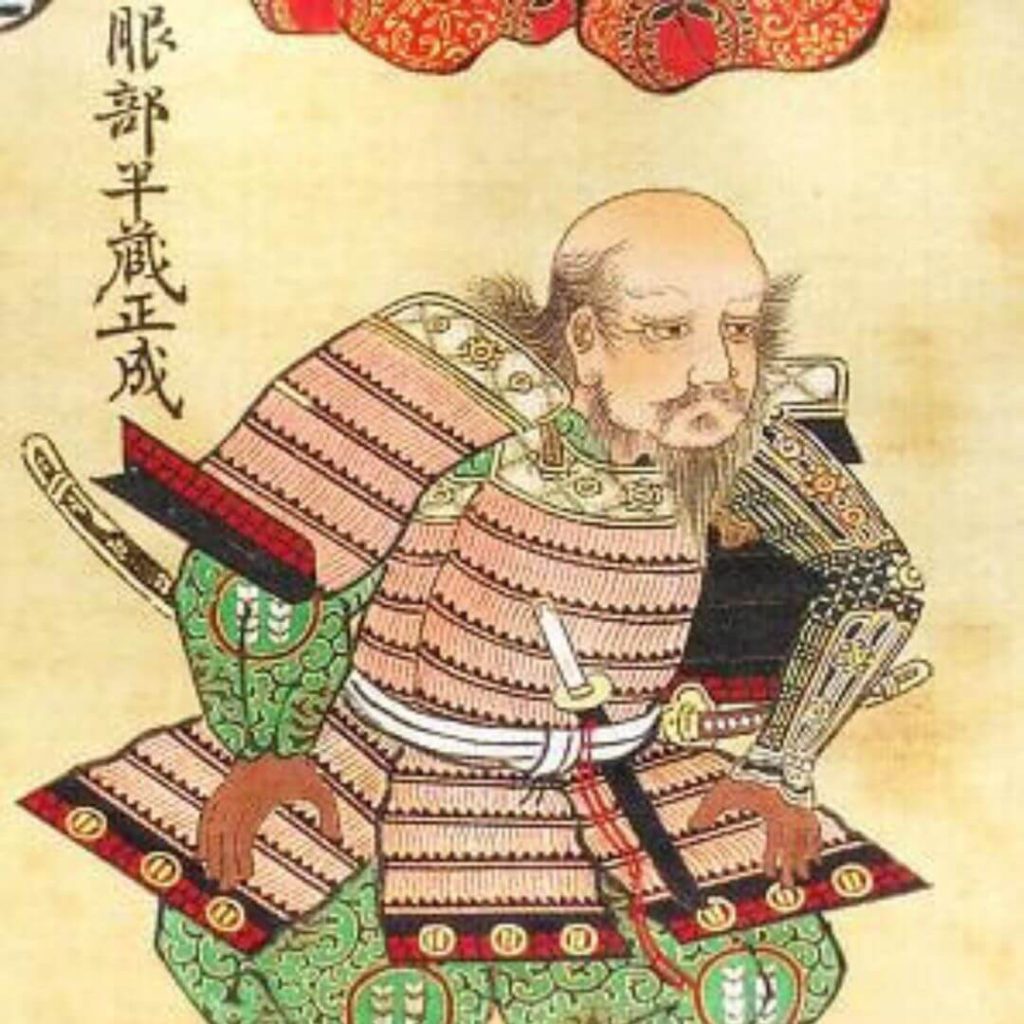
Hattori Hanzō, a ninja who served Tokugawa Ieyasu, is a historical figure surrounded by myths. He is said to have possessed extraordinary skills, but how much of his legendary feats were real?
✅ Mystery Points:
- Did he actually use ninja techniques?
- Was “Hattori Hanzō” a single person, or multiple individuals?
- Why is his death shrouded in mystery?
10. The “Switched” Emperor Meiji Theory
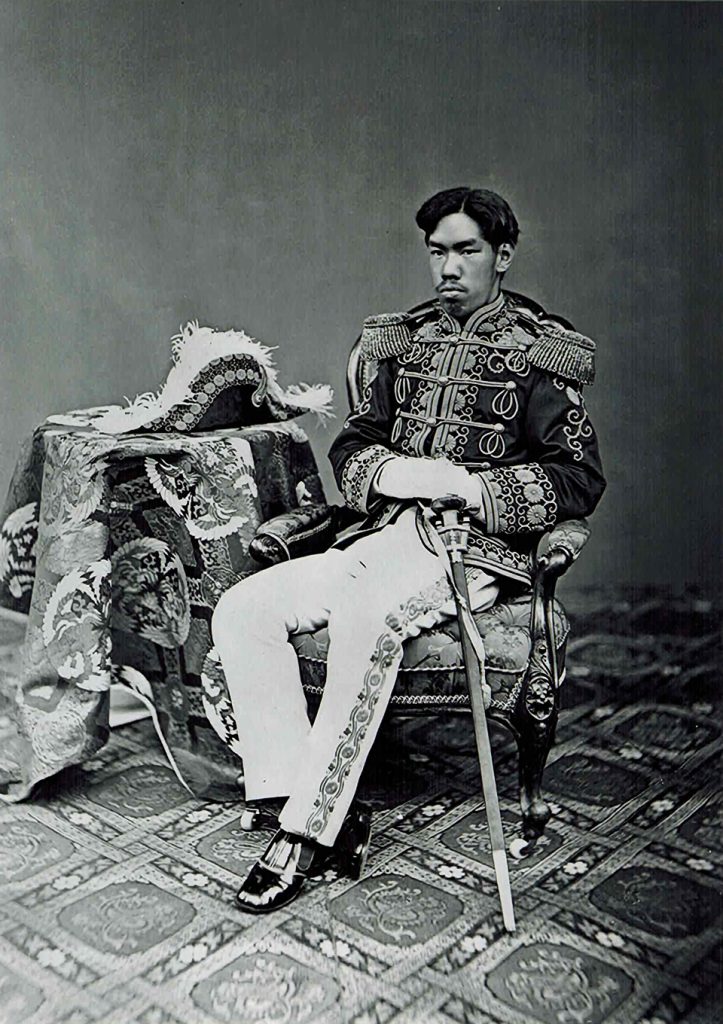
A conspiracy theory claims that Emperor Meiji was secretly replaced. Supporters argue that his facial features changed significantly after his ascension, leading to speculation of an identity switch.
✅ Mystery Points:
- Why did this theory emerge?
- Do his childhood photos truly show a different face?
- Could this have been a cover-up by the Meiji government?
Conclusion
・ Japanese history is filled with unresolved mysteries and strange events.
・ Whether these stories are true or mere legends remains a topic of debate.
・ There may still be undiscovered truths hidden in history’s shadows.