

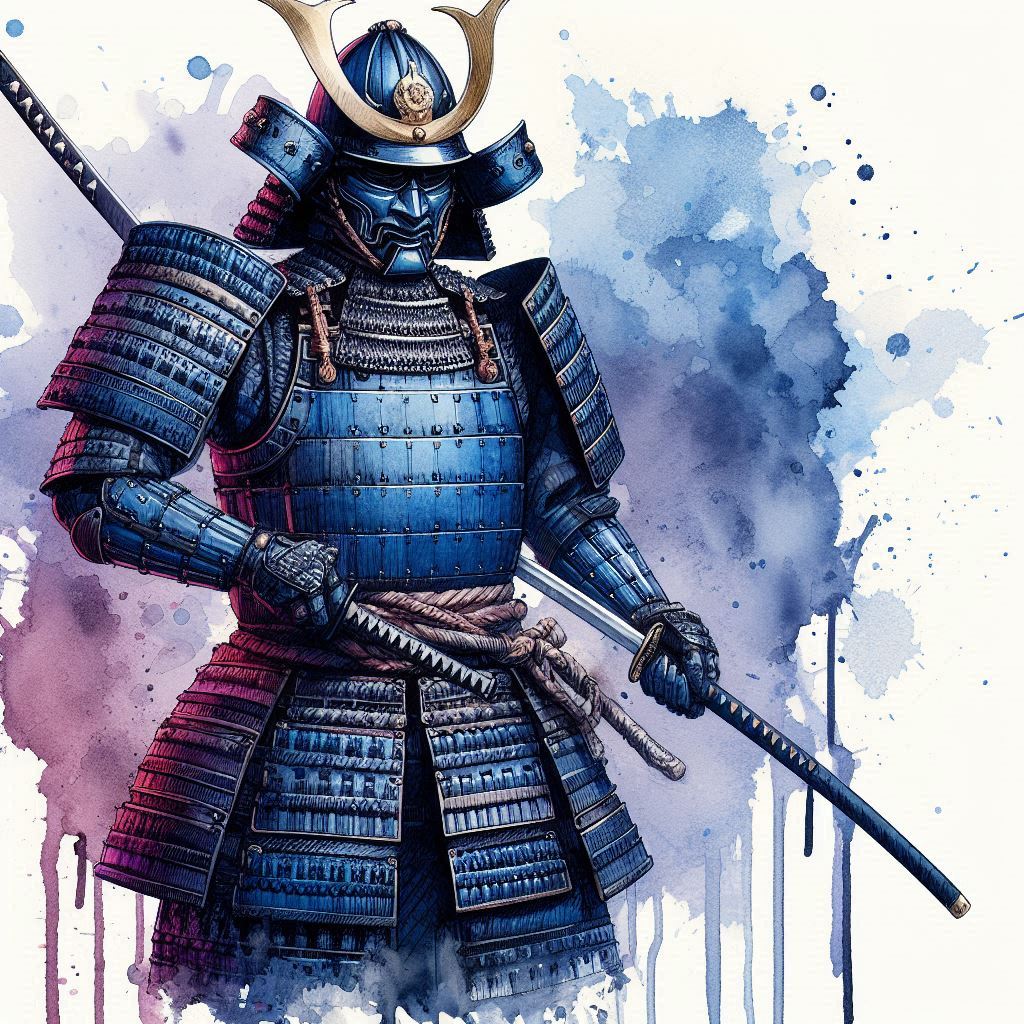
Samurai were an elite class in Japanese history, known for their loyalty, honor, and martial skills. However, they were also bound by strict and often terrifying codes that dictated their way of life. Some of these rules were so severe that they seem almost unthinkable by modern standards. Here are 10 fearsome codes that samurai had to follow.
1. Seppuku – The Honorable Death of a Samurai
For samurai, honor was more important than life itself. If a warrior disgraced himself or his master, he was often required to commit seppuku (ritual suicide by disembowelment). This was not simply an act of despair but a highly ritualized form of atonement and a demonstration of unwavering loyalty. A kaishakunin (second) would often be present to swiftly behead the samurai after he had cut open his stomach, reducing his suffering.
✅ Key Points:
- Seppuku was a formalized ritual to preserve honor
- It was often performed after defeat, disgrace, or failure
- A second person (kaishakunin) would behead the samurai to ease suffering
2. Absolute Loyalty to One’s Lord – Betrayal Was Not an Option
Samurai were bound to their daimyo (feudal lord) by an unwavering sense of duty. Even if a lord’s commands were unreasonable or led to personal suffering, a samurai was expected to obey without question. In some cases, when a lord died, his most loyal retainers would commit junshi (ritual suicide) to follow him into death.
✅ Key Points:
- Samurai had to obey their lord’s orders, no matter what
- Betrayal or disobedience often resulted in death
- Some samurai committed junshi to follow their lord in death
3. Revenge Was a Sacred Duty (Katachiuchi)
If a family member or master was killed, it was a samurai’s duty to seek revenge, no matter how long it took. This act, known as katachiuchi (vendetta), was not only accepted but expected. If a samurai failed to avenge his master’s death, he would bring shame upon his entire lineage. The famous 47 Ronin are a well-known example of this code in action.
✅ Key Points:
- Samurai were obligated to take revenge for their master or family
- Revenge could take years, but it had to be fulfilled
- The 47 Ronin are a famous example of this tradition
4. Protecting the Family Name Was More Important Than Life
A samurai was not just an individual but a representative of his clan (ie). His personal actions could either bring honor or disgrace to his entire lineage. If a samurai dishonored his family, he was often expected to commit seppuku rather than live in shame.
✅ Key Points:
- A samurai’s actions affected his entire family’s reputation
- Dishonor could lead to seppuku as atonement
- Protecting the family name was often more important than personal survival
5. Cowardice in Battle Was Unforgivable
Samurai were expected to fight bravely and never flee the battlefield. Surrendering or showing fear was considered the ultimate disgrace. If a samurai was captured, he was often expected to commit seppuku rather than allow himself to be taken alive.
✅ Key Points:
- Running away from battle was the greatest shame
- Surrender was seen as dishonorable
- Many samurai preferred death over capture
6. A Samurai’s Sword Was His Soul
Samurai were required to carry their swords at all times. Losing a sword or failing to maintain it properly was unacceptable and humiliating. The katana was not just a weapon but a sacred extension of the samurai’s soul. Some warriors would rather die than be caught without their swords.
✅ Key Points:
- The katana was a samurai’s most prized possession
- Carrying a sword was a mandatory duty
- Losing one’s sword was an unforgivable disgrace
7. Women of the Samurai Class Were Also Expected to Fight
While samurai were mostly male, women of samurai families were often trained in combat, particularly with the naginata (a pole weapon). In times of war, they were expected to defend their homes and could even commit seppuku to avoid capture by enemies.
✅ Key Points:
- Samurai women were trained in weaponry
- They were expected to defend their families
- Some even committed seppuku rather than be taken prisoner
8. Duels (Kenka) Were the Only Way to Settle Disputes
If two samurai had a dispute, they often settled it through a duel (kenka or katanagari). These were often to the death, and refusing a duel was a sign of cowardice. Famous samurai such as Miyamoto Musashi became legendary for their many duels.
✅ Key Points:
- Duels were the honorable way to settle disputes
- Refusing a duel was seen as cowardly
- Some samurai, like Miyamoto Musashi, became famous duelists
9. A Samurai Could Not Abandon His Status
Even during times of peace, when samurai had little to do, they could not simply quit being samurai. The strict class system of feudal Japan made it nearly impossible for a samurai to become a farmer, merchant, or craftsman. Many unemployed samurai (ronin) struggled with poverty, yet they were still expected to live by the strict codes of the samurai class.
✅ Key Points:
- Samurai were bound by their class and could not easily change status
- Many became ronin (masterless samurai) and lived in poverty
- Despite hardship, they were still expected to follow samurai codes
10. Death Was Preferable to Dishonor
Above all, samurai were taught that living in shame was worse than death. If a samurai failed in his duty, lost a battle, or brought disgrace upon himself, it was often considered better to commit seppuku than to live with dishonor. This extreme sense of honor shaped Japanese culture for centuries.
✅ Key Points:
- Seppuku was often seen as preferable to living with shame
- Honor was valued above life itself
- This belief influenced Japanese culture long after the samurai era
Conclusion
・ Samurai lived under incredibly strict and brutal codes
・ Honor was more important than life itself
・ Many of these traditions shaped Japanese culture for centuries
The samurai way of life was both awe-inspiring and terrifying. Their dedication to duty, loyalty, and honor made them legendary warriors, but it also meant that their lives were full of severe restrictions and unbreakable rules.