

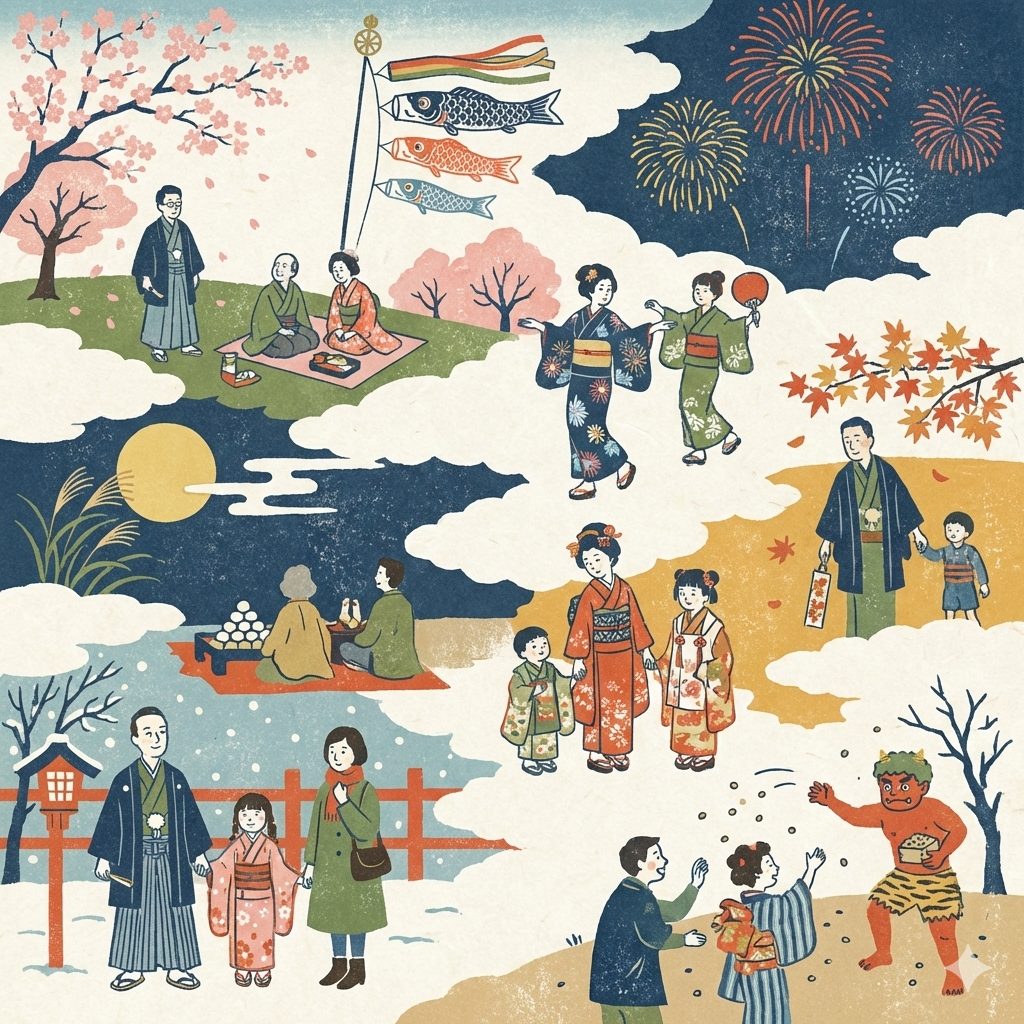
Japan is home to many unique and traditional seasonal events that celebrate nature, history, and culture.
From ancient religious ceremonies to modern seasonal customs, each event reflects Japan’s deep connection with the changing seasons.
Here are 10 of Japan’s most fascinating seasonal events!
🌸 Spring 🌸
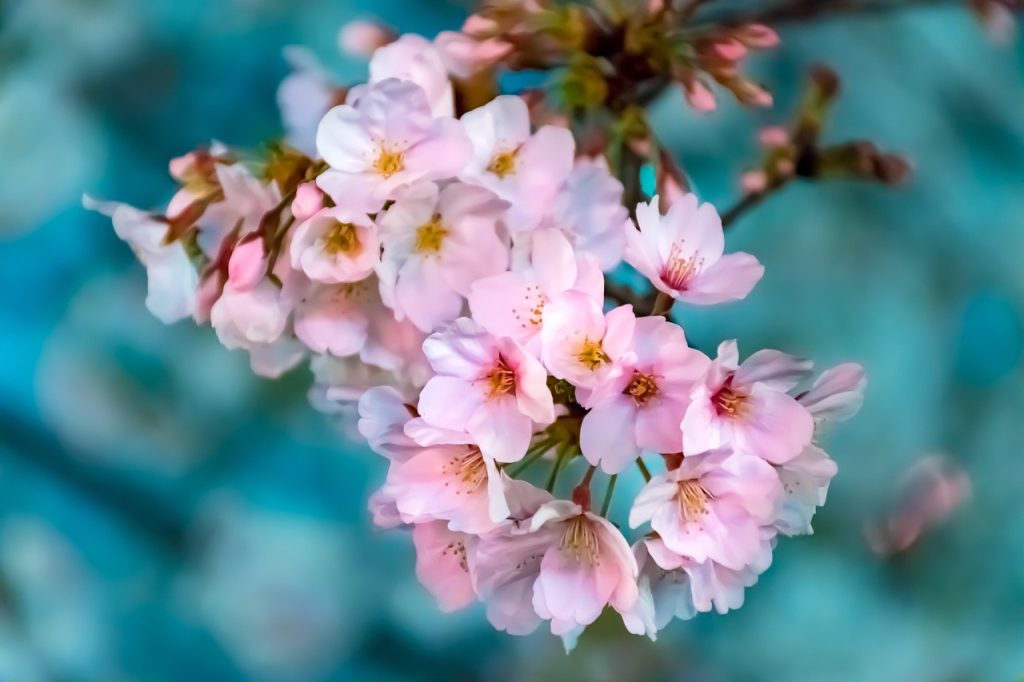
1. Hanami – Cherry Blossom Viewing
🔹 Overview
A beloved tradition where people gather under cherry blossom trees to enjoy food, drinks, and the beauty of the fleeting sakura season.
Dating back to the Heian period, hanami has long been a symbol of Japan’s appreciation for nature.
🌸 Why it’s special?
- Cherry blossoms bloom for only a short time, adding a sense of fleeting beauty (wabi-sabi)
- Celebrated across Japan, including famous night-time illuminations
- The “Sakura Front” (cherry blossom forecast) moves from south to north each year
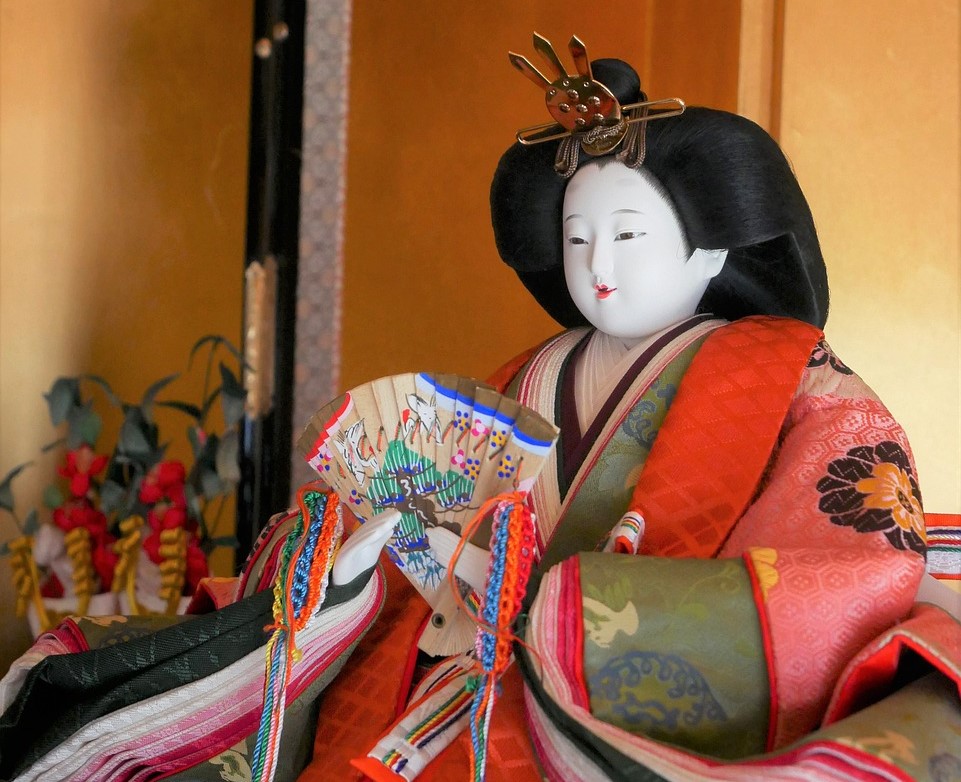
2. Hinamatsuri – Doll Festival for Girls
🔹 Overview
Celebrated on March 3rd, Hinamatsuri is a festival to pray for the health and happiness of young girls.
Families display elaborate dolls (Hina dolls) and eat traditional dishes like chirashi sushi and hina-arare.
🎎 Why it’s special?
- The beautifully arranged doll sets can be passed down generations
- Some regions practice “Nagashi-bina,” where dolls are floated down rivers
- Also called “Peach Festival” because of its connection to spring blooms
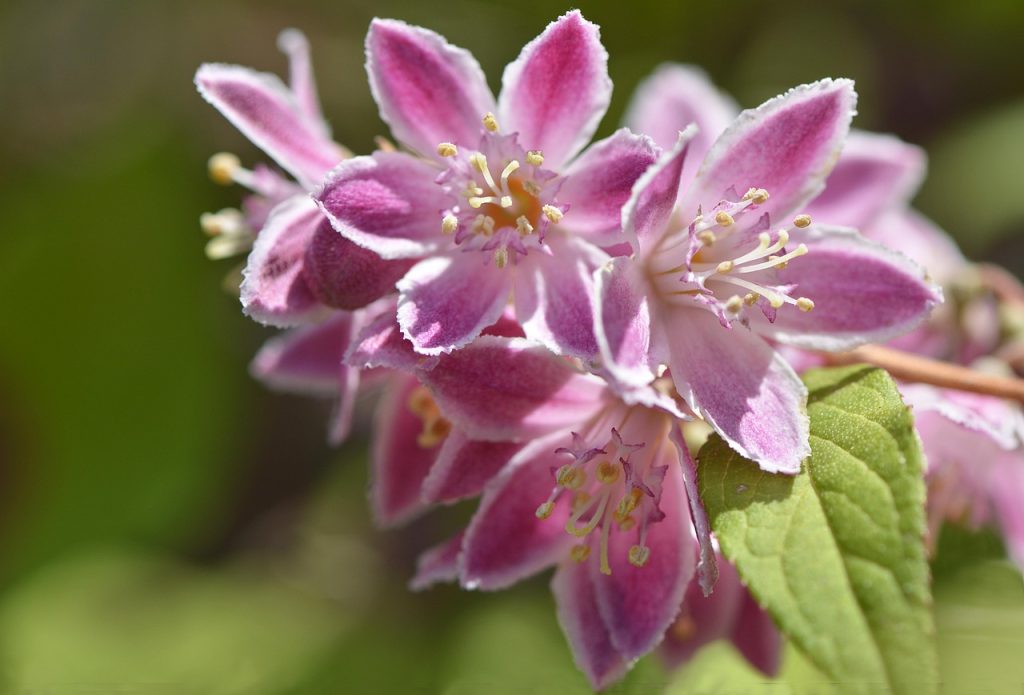
3. Uzuki Yōka – Prayers for Agricultural Prosperity
🔹 Overview
An ancient farming ritual held on the 8th day of the 4th lunar month, offering prayers for a bountiful harvest.
It is especially significant in Kyoto, where Inari Shrine festivals take place.
🌾 Why it’s special?
- A connection between Shinto traditions and agriculture
- Different customs depending on the region
- Offerings of rice cakes and sake to express gratitude
☀️ Summer ☀️
4. Gion Matsuri – Kyoto’s Grand Summer Festival
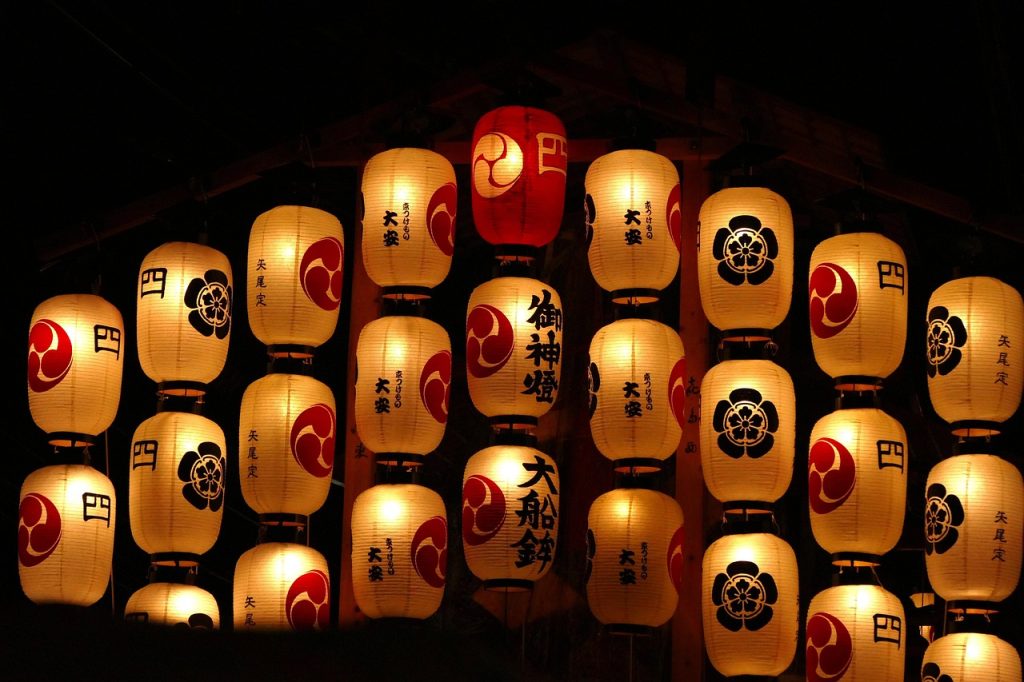
🔹 Overview
One of Japan’s three greatest festivals, held in Kyoto every July.
The highlight is the Yamaboko Parade, where beautifully decorated floats are carried through the streets.
🏮 Why it’s special?
- Over 1,100 years of history, originally meant to drive away plagues
- A spectacular display of traditional craftsmanship and culture
- Night festivities (“Yoiyama”) create a magical atmosphere
5. Tanabata – The Star Festival

🔹 Overview
Held on July 7th, Tanabata celebrates the legend of Orihime (Vega) and Hikoboshi (Altair), two lovers separated by the Milky Way who meet only once a year.
People write wishes on colorful paper strips (tanzaku) and hang them on bamboo branches.
🌟 Why it’s special?
- A romantic festival based on an ancient Chinese legend
- Different regional festivals, with the Sendai Tanabata Festival being the most famous
- Vibrant decorations and illuminations make for a magical night
6. Bon Odori – Dancing to Welcome the Spirits of Ancestors
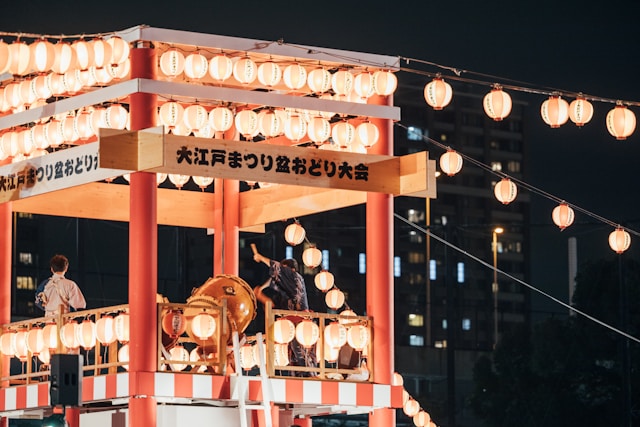
🔹 Overview
A traditional Buddhist festival held in mid-August to honor the spirits of ancestors.
The festival features Bon Odori (Bon dance), where people gather to dance in a circle around a taiko drum.
🕺 Why it’s special?
- Each region has its own unique dance and music (Awa Odori, Tokyo Ondo, etc.)
- A chance for families to reconnect and remember their ancestors
- Many festivals are held in summer, creating a lively and nostalgic atmosphere
🍁 Autumn 🍁
7. Tsukimi – Moon Viewing
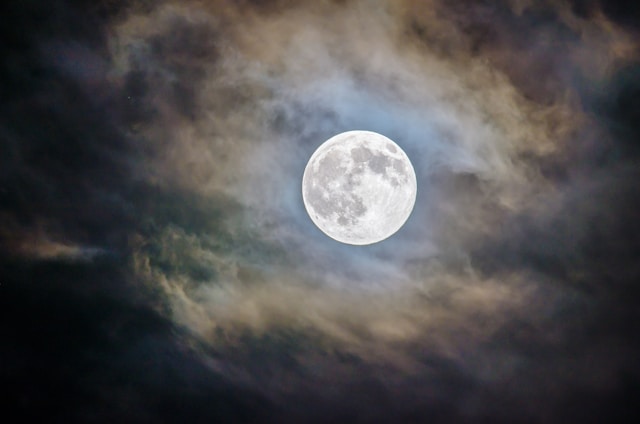
🔹 Overview
Held on the 15th night of the 8th lunar month, Tsukimi is a festival to appreciate the beauty of the full moon.
People decorate with susuki grass and offer moon-viewing dumplings (tsukimi dango).
🌕 Why it’s special?
- The Japanese legend of a rabbit on the moon pounding rice cakes
- A time to express gratitude for the autumn harvest
- Modern adaptations include Tsukimi-themed foods like “Tsukimi burgers”
8. Nagasaki Kunchi – A Fusion of Japanese and Foreign Cultures
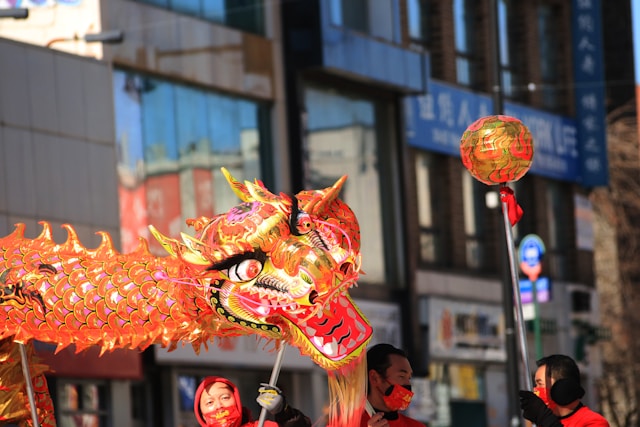
🔹 Overview
A vibrant festival in Nagasaki every October, influenced by both Japanese and foreign traditions.
The event features the Jaw-dropping Dragon Dance and spectacular float performances.
🐉 Why it’s special?
- A blend of Chinese, Dutch, and Japanese cultural influences
- The Dragon Dance is a thrilling highlight
- Each district’s performance changes every 7 years, making every visit unique
❄️ Winter ❄️
9. Ōmisoka – Japan’s Unique New Year’s Eve Traditions
🔹 Overview
December 31st is a deeply spiritual time in Japan.
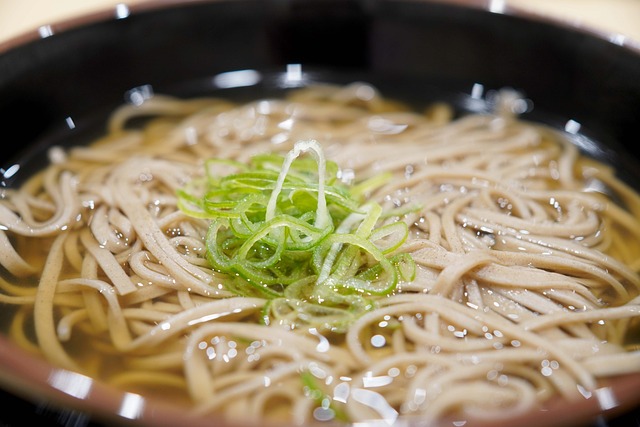
People eat Toshikoshi Soba (New Year’s Eve noodles), listen to Joya no Kane (108 temple bells), and visit shrines for Ninen Mairi (two-year worship).
🔔 Why it’s special?
- The 108 bell chimes represent cleansing human sins (Buddhist belief)
- Toshikoshi Soba symbolizes longevity and good fortune
- A peaceful and reflective way to welcome the new year
10. Dondoyaki – Burning Away the Old Year
🔹 Overview
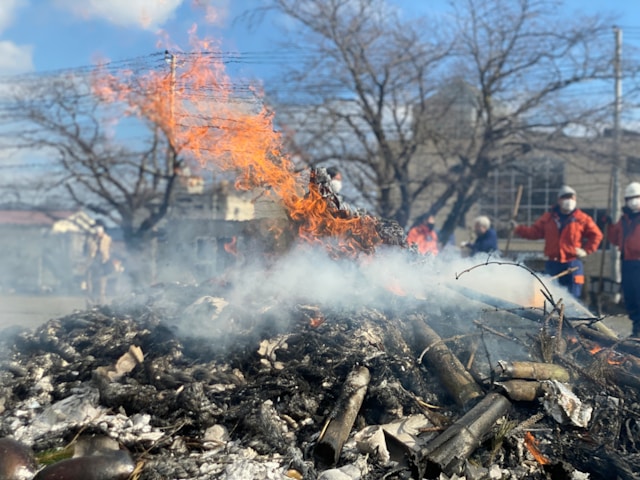
A New Year ritual where people burn old amulets, decorations, and Daruma dolls to send wishes to the gods.
Held at shrines and temples, watching the flames is said to bring good fortune for the coming year.
🔥 Why it’s special?
- A cleansing ritual to start fresh in the new year
- Eating roasted mochi from the fire is said to bring good health
- The strength of the fire is sometimes used to predict the year’s fortune
Japan’s seasonal events are deeply rooted in tradition, nature, and spirituality.
These celebrations connect people to the changing seasons, and many have lasted for centuries.Each event offers a unique glimpse into Japanese culture, and whether you’re visiting or living in Japan, experiencing these traditions can be a truly magical experience!
Which one would you like to experience the most? 😊