

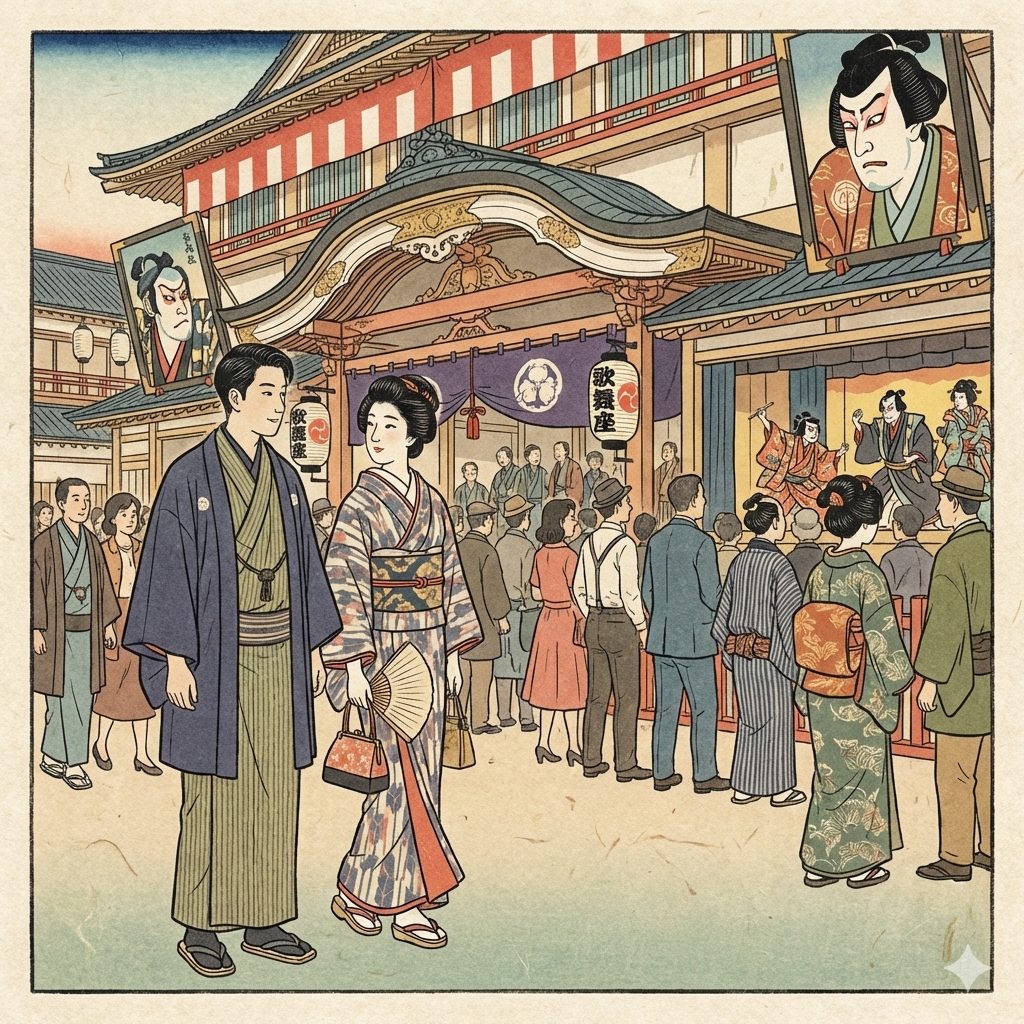
Kabuki isn’t “hard to understand”!
“I’d love to see Kabuki, but the rules seem strict…”
“It’s a traditional art form—might I get scolded if I don’t know the details?”
Does that make you hesitate to buy tickets?
Honestly, that’s such a waste!
Kabuki was originally the “King of Entertainment” in the Edo period.
It’s the equivalent of movies or live concerts today.
Once you know the basics, there’s no other entertainment quite like it—so spectacular, so moving, so cathartic.
Here’s a condensed guide to the “5 Essential Tips” for a flawless first Kabuki experience. Read this, and you’ll walk through the Kabuki-za gates with confidence tomorrow.
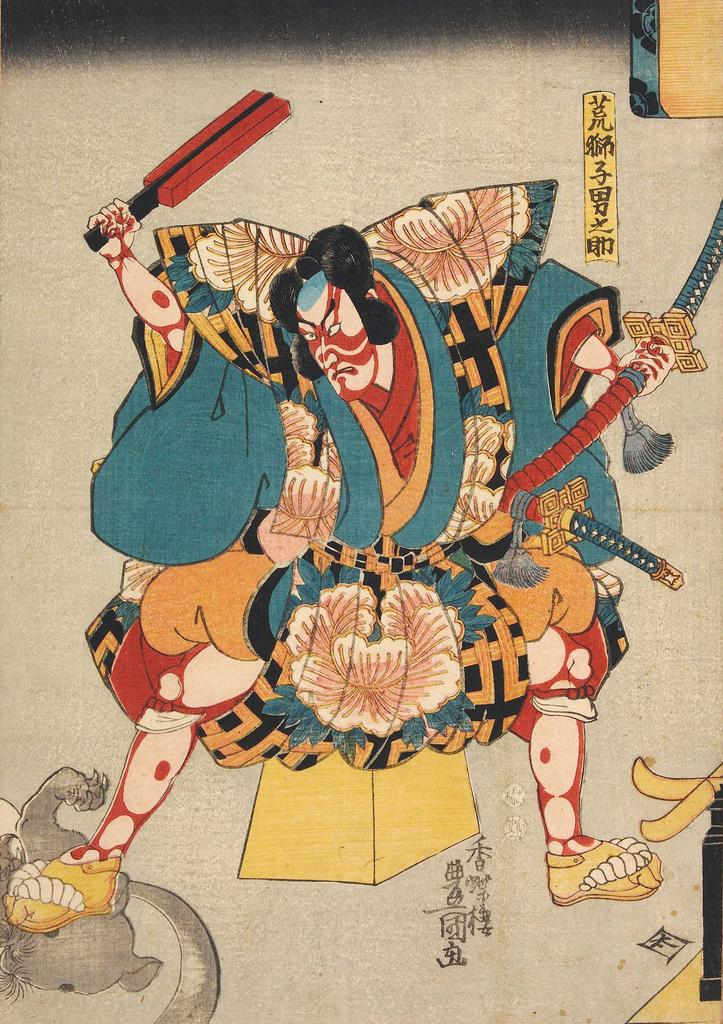
What should I wear? What should I bring? (Preparation Edition)
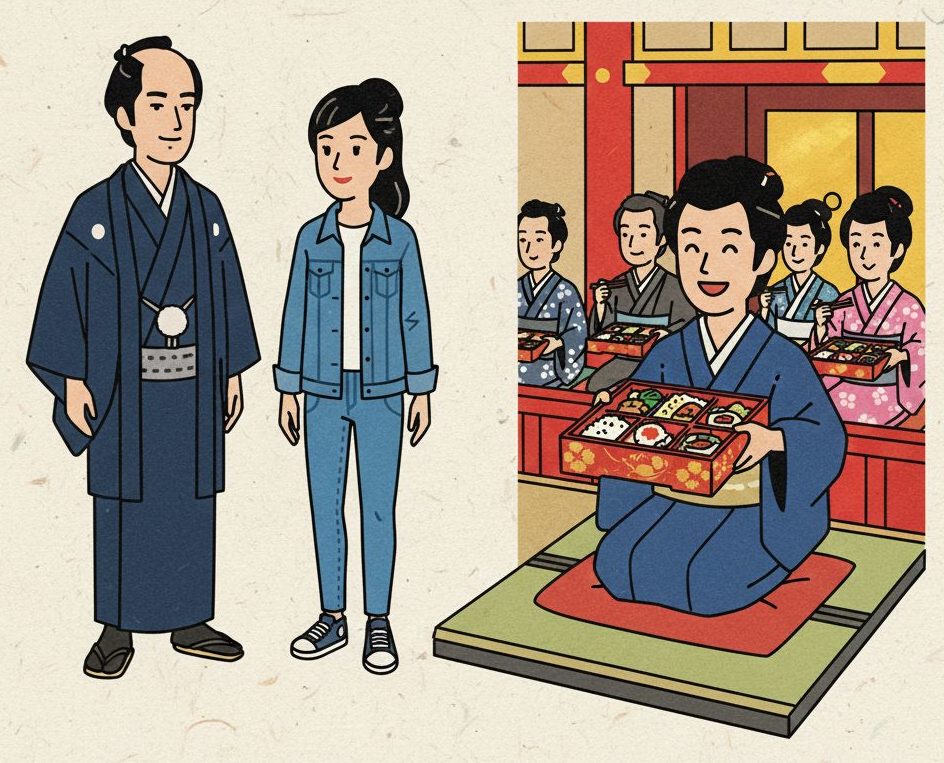
① Dress code is “casual”—no worries!
The most common question: “Do I have to wear a kimono?”
The short answer: Casual wear is perfectly fine.
You’ll see people in jeans and sneakers, others in business suits straight from work.
Of course, dressing up in a kimono is lovely, but there’s no need to go overboard.
Note: The only thing to watch out for is hats. They block the view of people behind you, so take yours off once seated.
② The bento box (makunouchi) is a highlight of Kabuki
Kabuki has a longer intermission called “maku-ai.”
Eating a meal at your seat during this time is a traditional way to enjoy Kabuki. You can buy a luxurious “makunouchi bento” inside the theater, or bring your favorite bento from the department store basement.
Tickets and Seats: What’s the Right Choice? (Reservation Edition)
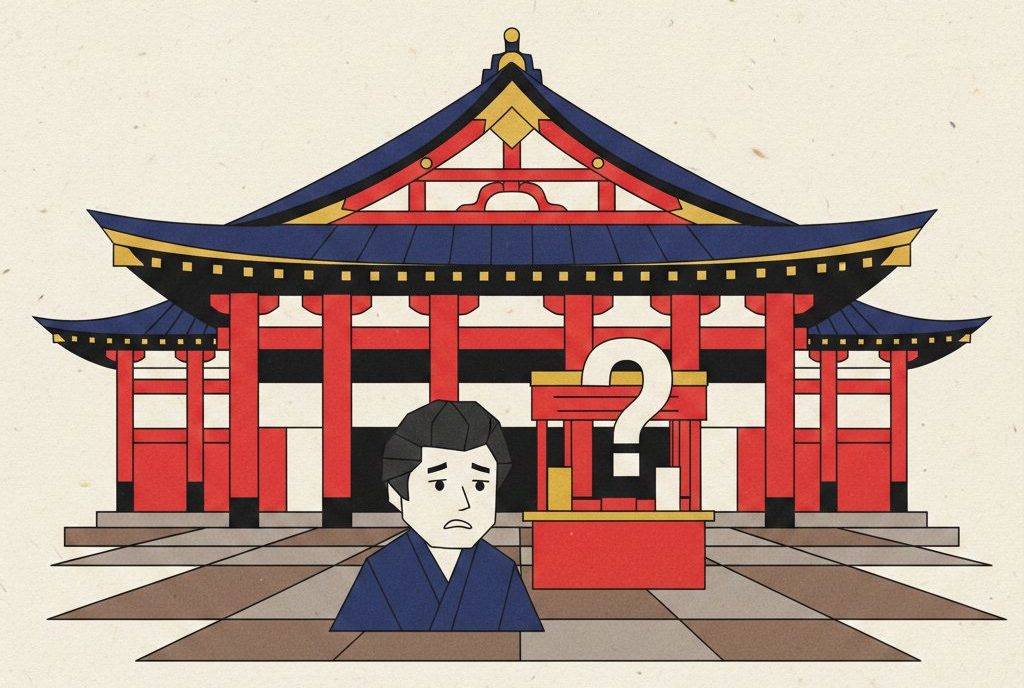
③ Beginners should aim for “Single-Act Viewing Seats” or “3rd Floor Seats”
Feeling anxious thinking, “Tickets seem expensive…”? Actually, there are seats you can enjoy for just a few thousand yen.
1st Class Seats: Incredibly powerful experience where you can hear the actors’ breath (around ¥15,000 to ¥20,000).
3rd Floor Seats: A great view of the entire stage, reasonably priced at around ¥5,000.
One-Act Viewing Seats: A same-day ticket system letting you watch just your favorite act for ¥1,000 to ¥2,000
(※Depends on the theater).
Start by enjoying the overall atmosphere and stage direction from the third floor seats—that’s how the connoisseurs begin.
What if I don’t understand the language? (Viewing Guide)
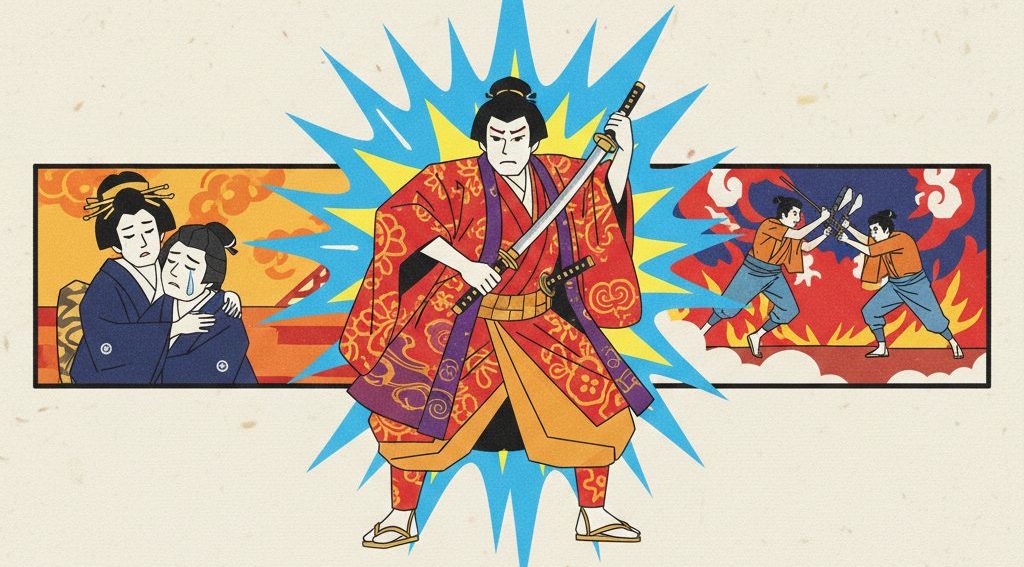
④ Rent the Ultimate Ally: The Earphone Guide
“I don’t understand old-fashioned language!” Don’t worry—most Japanese people don’t either.
That’s why the Earphone Guide (paid rental) is essential.
It provides real-time commentary matching the play’s progression, explaining the plot summary, actor names, and costume meanings.
Just having this boosts your comprehension from 3% to 120%. Don’t be shy—definitely rent one.
⑤ Leave the “House Name” Shouts to the Pros
The audience shouts “Naritaya!” or “Otowaya!” (known as “Oomukai”).
It looks cool, but the timing is incredibly difficult—this is done by specialized veterans. Beginners don’t need to force themselves to shout. Sending applause in your heart is perfectly sufficient.
Now, into the World of Kabuki! (Summary)
Kabuki is the Ultimate Entertainment!
How was it?
Let’s review today’s key points.
Dress casually! (Just remove hats)
Enjoy your bento box!
Start with affordable third-floor seats!
The earphone guide is essential!
Just listen to the shouts!
Kabuki is a “super-luxurious live show” packed with opulent costumes, dynamic action, and astonishing stage effects. Don’t overthink it—just go experience its overwhelming power for yourself.