

— Explore the rich history, unique characteristics, and surprising facts of Japanese sake —
Japanese sake is more than just a drink – it’s a symbol of culture, tradition, and craftsmanship. From its mysterious origins to modern-day innovations, there’s much to discover about sake. Here are 10 interesting facts about Japanese sake that will make you appreciate this ancient beverage even more!
1. The Origins of Sake: Was it Really Made by Chewing Rice?
– The mysterious beginnings of sake brewing –
In ancient Japan, people created a precursor to sake known as “kuchikami-zake,” where rice was chewed to facilitate fermentation through saliva. This primitive method of brewing is considered the origin of sake production.
✅ Saliva’s enzymes help convert starches into sugars.
✅ Used in rituals, especially by women priests.
✅ Although outdated, it’s the basis for modern brewing techniques.
2. The Oldest Sake Breweries in the World – Located in Japan?
– Sake companies with over 1,400 years of history –
Some of the oldest sake breweries in the world are in Japan, like “Kenbishi Sake Brewery,” founded in 593 AD. This makes Japan the home of some of the longest-lasting businesses on Earth.
✅ Japan has sake breweries that have been around for over a millennium.
✅ Many of these breweries have ties to sacred shrines and temples.
✅ Traditional brewing methods continue alongside modern innovations.
3. It’s Not Just ‘Cold’ or ‘Hot’ – Sake Can Be Enjoyed at Various Temperatures
– The magic of sake temperature and flavor –
Sake can be enjoyed at many temperatures, each with its own unique name and taste. For example:
✅ “Hana-bie” (around 10°C) offers a refreshing, delicate taste.
✅ “Hinata-kan” (around 30°C) gives a gentle, comforting flavor.
✅ “Tobikiri-kan” (over 55°C) creates a strong, bold flavor.
4. “Sake Gives You a Bad Hangover” – Fact or Myth?
– Why sake hangovers are often misunderstood –
Many people believe that sake causes bad hangovers, but high-quality sake actually doesn’t tend to cause one if consumed in moderation. The myth often comes from drinking cheap, low-quality sake or mixing it with sugary drinks.
✅ Pure rice sake (junmai) tends to lead to fewer hangovers.
✅ Drinking water between sips helps avoid dehydration.
✅ Sake has an alcohol content similar to wine (around 12-15%).
5. Why Is a Bottle of Sake 1.8 Liters?
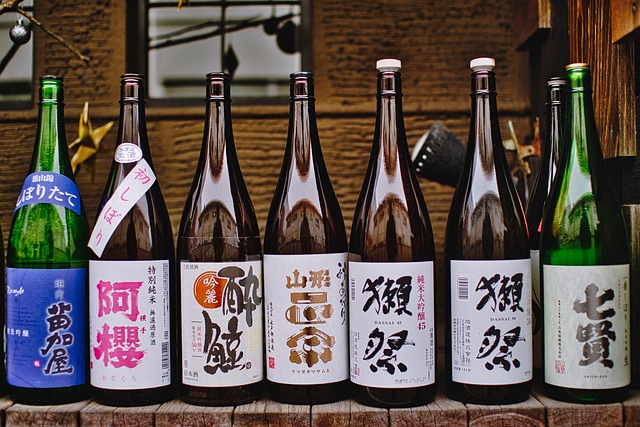
– The historical origin of the 1.8-liter bottle –
The traditional 1.8-liter bottle (known as “isshō-bin”) has its roots in the Edo period. The name “isshō” means “one lifetime,” making the size significant in cultural terms.
✅ “Isshō” symbolizes longevity and good fortune.
✅ The 720ml “shō-bin” is more convenient for smaller gatherings.
✅ Traditional measurement units still influence modern sake bottles.
6. The Fascinating World of “Doburoku” – The Unfiltered Sake
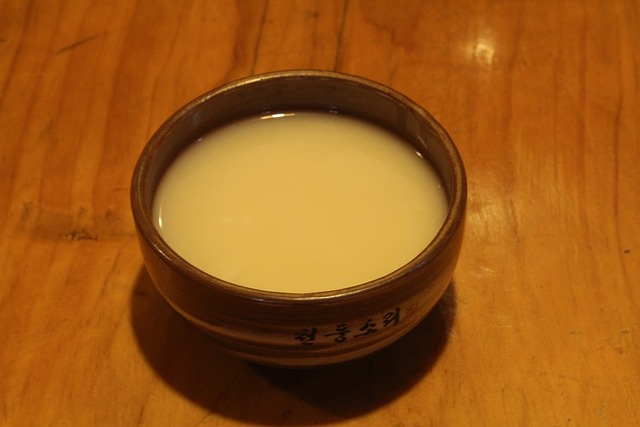
– A look at the thick, cloudy ancestor of sake –
“Doburoku” is a rough, unfiltered sake made from fermented rice and koji. While production is now restricted, it was once common among farmers and used in festivals as an offering to gods.
✅ Rich in flavor with a cloudy, thick texture.
✅ Still brewed for special festivals and ceremonies.
✅ Richer in nutrients than filtered sake.
7. Sake Pairs Well with More Than Just Traditional Japanese Food

– Surprising food pairings that elevate the sake experience –
Sake is often paired with Japanese food, but it also goes wonderfully with non-Japanese dishes like cheese, chocolate, and pizza.
✅ Cheese and junmai sake create a harmonious pairing due to their shared fermentation process.
✅ Chocolate and aged sake make for an exquisite, unexpected match.
✅ Sake pairs wonderfully with pizza, especially sparkling sake!
8. Is Sake Really “The Best Medicine”?
– The health benefits of sake when consumed in moderation –
There’s a saying in Japan, “Sake is the best medicine,” and while overindulgence can be harmful, moderate consumption of sake has health benefits, such as improving circulation and promoting relaxation.
✅ Contains amino acids that promote good health.
✅ Helps improve blood flow and reduce stress when drunk in moderation.
✅ A glass a day may even have heart health benefits!
9. Japanese Sake’s Global Popularity Is on the Rise
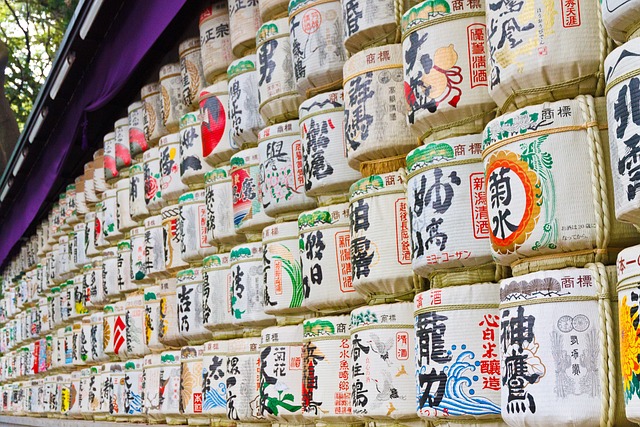
– Sake is becoming a global sensation –
In recent years, sake exports have surged, with sake now becoming a luxury drink in high-end restaurants worldwide, particularly in America and Europe.
✅ Sake is increasingly served in Michelin-starred restaurants.
✅ Sparkling sake is especially popular among women.
✅ Bars and restaurants in major cities worldwide now feature “SAKE” menus.
10. The Legendary “Drunken Shogun” Tokugawa Ienari
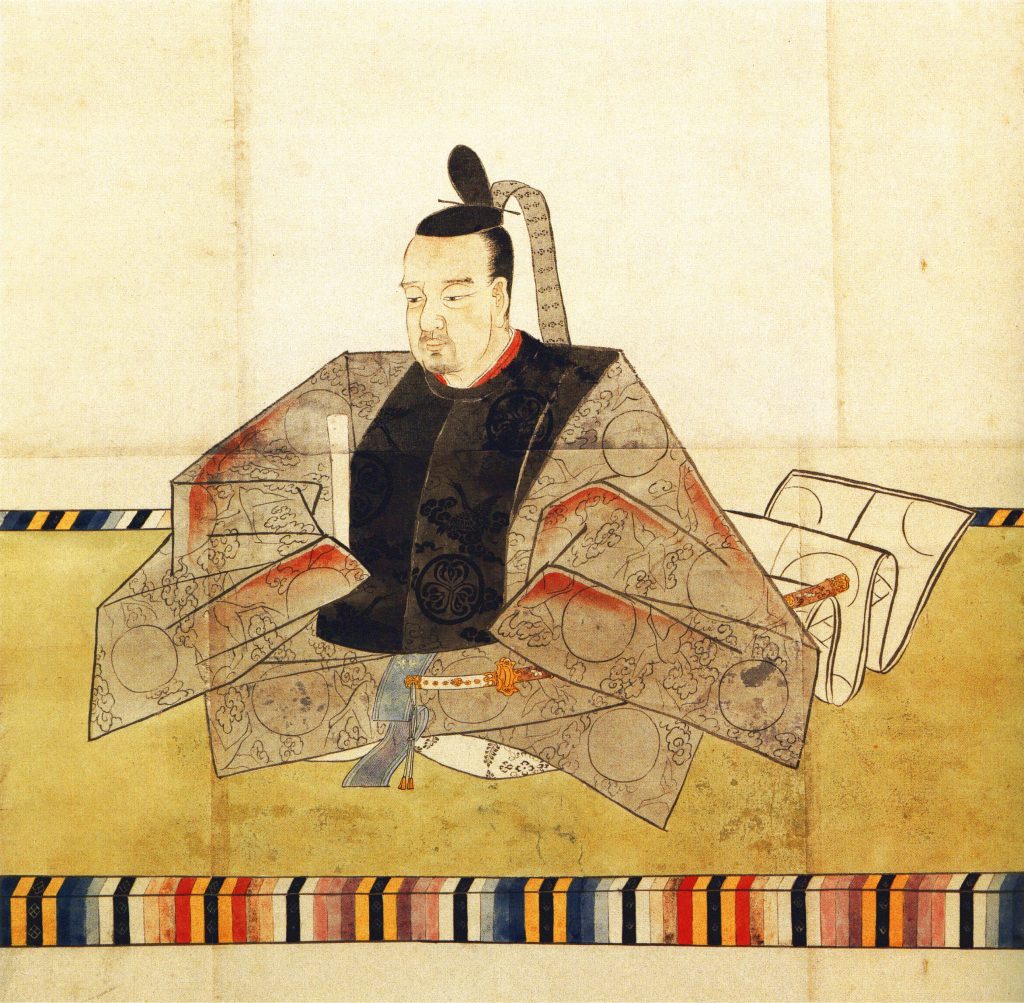
– The shogun who loved sake too much –
Tokugawa Ienari, the 11th shogun of the Tokugawa shogunate, was known for his extreme fondness for alcohol. His love for sake was so intense that it affected both his health and his governance.
✅ Ienari’s fondness for sake became a legendary part of his rule.
✅ His excessive drinking led to financial issues for the shogunate.
✅ Despite his flaws, his reign saw the peak of Edo culture, including sake’s growing prominence.
Conclusion
From ancient brewing techniques to modern-day innovations, sake is a complex and fascinating drink that has shaped Japan’s culture for centuries. Whether you’re savoring a glass of junmai or enjoying sake with a gourmet meal, there’s much to explore and appreciate about this iconic Japanese beverage.
Which sake fact surprised you the most? Cheers! 🍶