

Japanese folktales have been passed down for generations, but some of them contain deeper, darker, or unexpected interpretations that many people don’t know about. Here are 10 surprising hidden meanings behind famous Japanese folktales.
1. Urashima Tarō – A Time Traveler Lost in the Future?
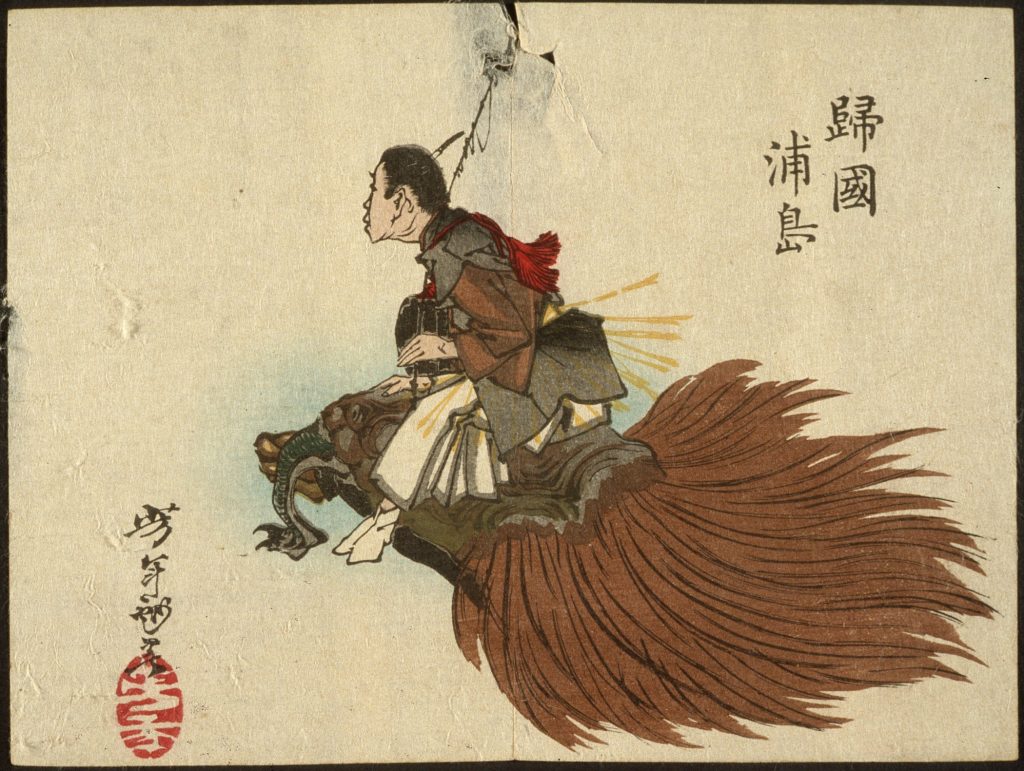
The story of Urashima Tarō tells of a kind fisherman who rescues a turtle and is taken to the Dragon Palace under the sea. After spending what feels like a few days in the palace, he returns to land only to discover that hundreds of years have passed.
Some theories suggest that this tale is actually one of the earliest depictions of time travel in Japan. The mysterious “treasure box” (tamatebako) he receives might symbolize advanced technology or a paradox of time manipulation. The idea of time dilation—where time passes differently in different places—mirrors modern physics concepts.
✅ Hidden Meaning:
- Urashima Tarō didn’t just go underwater—he traveled through time.
- The Dragon Palace may represent a different dimension or a futuristic civilization.
- The tamatebako might symbolize forbidden knowledge that humans aren’t meant to possess.
2. Momotarō – Were the “Demons” Actually the Victims?
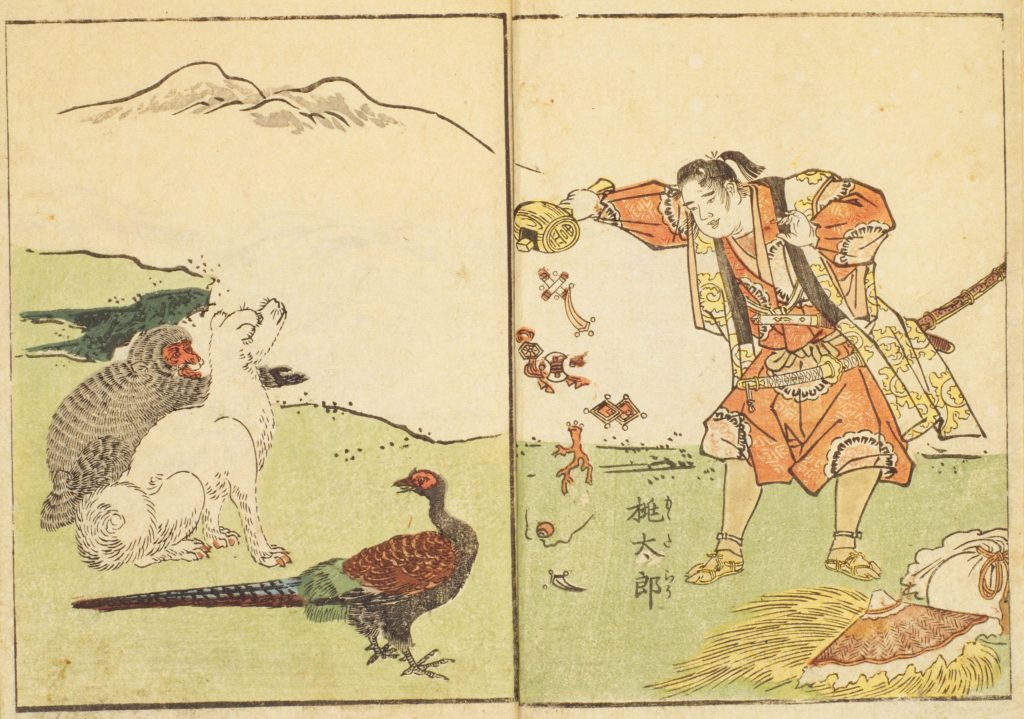
The famous story of Momotarō tells of a brave boy who is born from a peach and goes on a journey to defeat the evil demons (oni) living on an island. He is often portrayed as a hero, but some theories suggest that the oni were actually the victims.
According to some historians, the story might be based on real historical conflicts, where Japanese rulers fought and conquered indigenous tribes. The oni could represent the Emishi people, an ethnic group that resisted Japanese rule. In this version, Momotarō is not a hero, but an invader who destroys their culture.
✅ Hidden Meaning:
- The oni may not have been evil, but rather a misunderstood people.
- Momotarō’s conquest could be an allegory for Japan’s historical expansions.
- The story reflects how history is written by the victors.
3. Kachi-Kachi Yama – The Most Brutal Revenge Story?
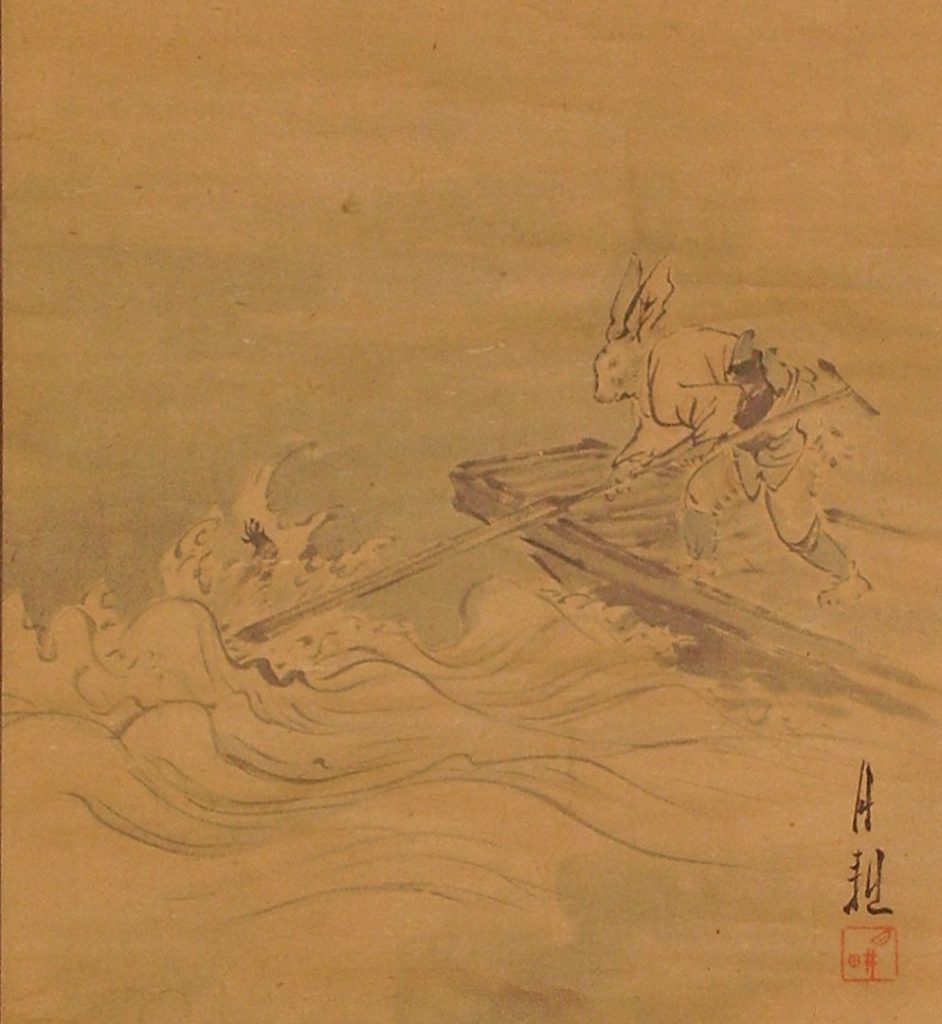
The tale of Kachi-Kachi Yama follows a rabbit who seeks revenge on a tanuki that killed an old woman and fed her to her husband. To punish the tanuki, the rabbit burns his back, tricks him into drowning, and finally kills him.
While many see this as a justice story, others point out that the rabbit’s revenge is excessively cruel, even by fairy tale standards. Some scholars suggest that the tale reflects Buddhist karma and the consequences of wrongdoing, while others believe it teaches how hatred only leads to more suffering.
✅ Hidden Meaning:
- The rabbit’s revenge is shockingly brutal, even for a children’s story.
- The tale might reflect Japan’s harsh views on punishment and morality.
- It could also serve as a warning that revenge only leads to more violence.
4. Issun-bōshi – A Tale of Social Climbing?
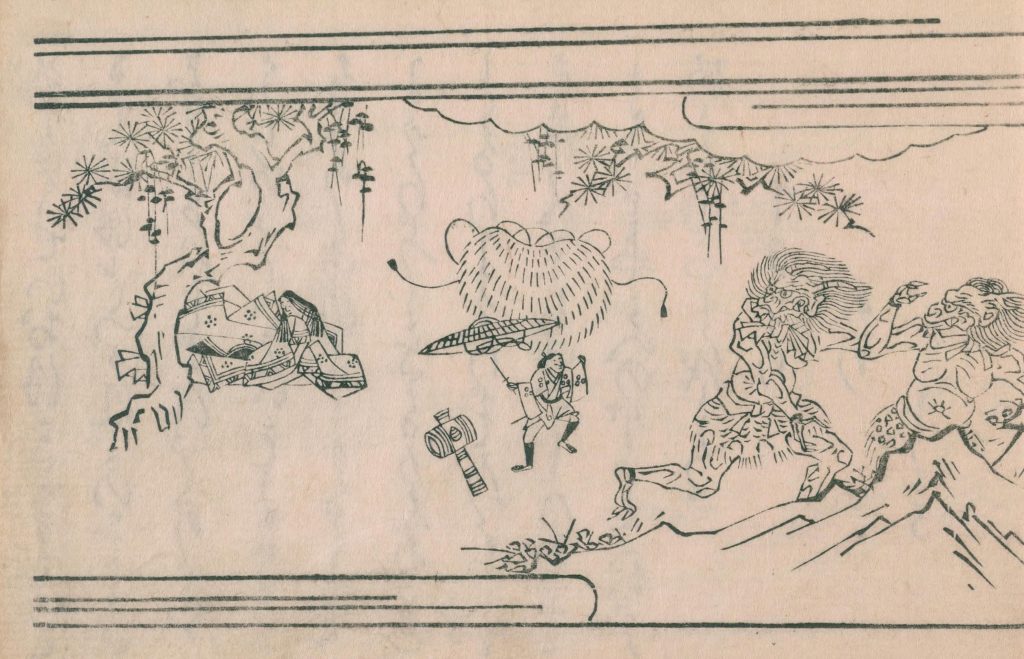
The story of Issun-bōshi follows a tiny boy (only an inch tall) who sets off on an adventure, defeats an oni using a needle as a sword, and wins the love of a princess.
Some scholars argue that the story represents social mobility in feudal Japan—how even someone born without wealth or privilege could rise through skill and cleverness. The story may have been a metaphor for samurai ideals, showing how a person of humble origins could achieve greatness.
✅ Hidden Meaning:
- The story reflects social mobility and ambition in Japanese society.
- Issun-bōshi’s tiny size symbolizes his low status, which he overcomes.
- His success mirrors the samurai code of using intelligence and bravery to rise in rank.
5. The Crane Wife – A Warning About Greed?

The tale of The Crane Wife (Tsuru no Ongaeshi) tells of a man who marries a beautiful woman who secretly weaves luxurious fabric from her own feathers. When he violates her trust and spies on her, she flies away forever.
This story is often seen as a warning against greed and betrayal. The husband had everything—a loving wife, wealth, and happiness—but lost it all due to his own curiosity and selfishness. Some interpretations also see the crane as a spiritual or divine being, punishing humans who cannot respect sacred rules.
✅ Hidden Meaning:
- The tale warns against greed and the inability to respect boundaries.
- The crane might represent a deity testing human morality.
- The husband loses everything because he couldn’t control his curiosity.
6. The Red Ogre and the Blue Ogre – A Tragic Friendship?
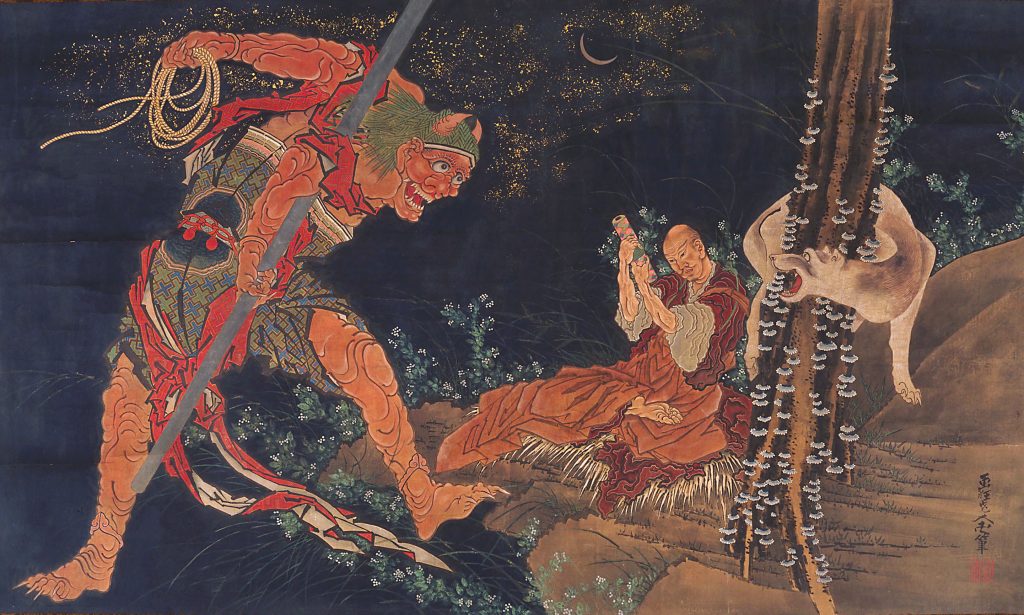
This folktale tells of a kind-hearted red ogre who wants to befriend humans, but they fear him. His friend, the blue ogre, devises a plan—he pretends to attack the village so that the red ogre can “defeat” him and gain the villagers’ trust.
The plan works, but the blue ogre disappears, knowing they can never be friends again. The story ends on a heartbreaking note, showing that true friendship sometimes requires sacrifice.
✅ Hidden Meaning:
- The blue ogre represents selfless friendship and sacrifice.
- The story teaches that gaining acceptance often comes at a cost.
- The ending is tragic because true friends sometimes must part ways.
7. The Tongue-Cut Sparrow – Who Was the Real Villain?
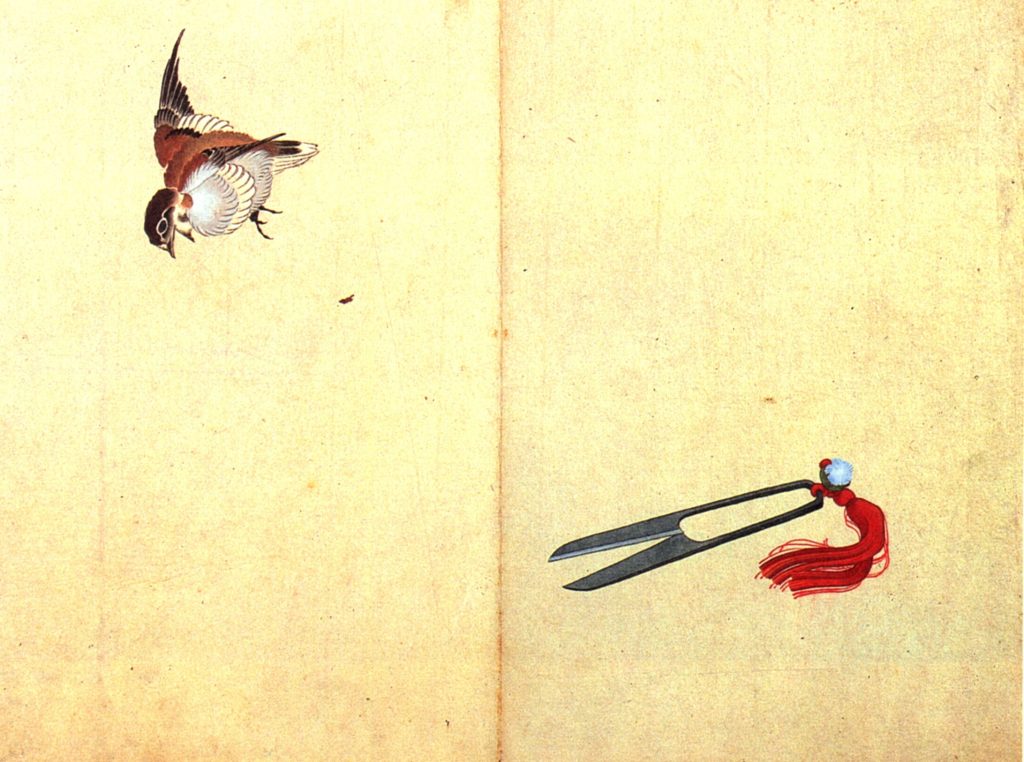
This story tells of a kind old man who helps a sparrow, and his greedy wife, who mistreats it. In the end, the kind man receives treasure, while the greedy wife is punished.
However, some believe that the sparrow itself might be the real mastermind. The sparrow deliberately leads the wife to her doom, raising the question: Was the sparrow truly innocent, or was it seeking revenge?
✅ Hidden Meaning:
- The sparrow’s actions might not be as pure as they seem.
- The story questions who is truly good or bad.
- It warns against mistreating others, as revenge may follow.
8. The Tale of the Bamboo Cutter – Is Kaguya-Hime an Alien?
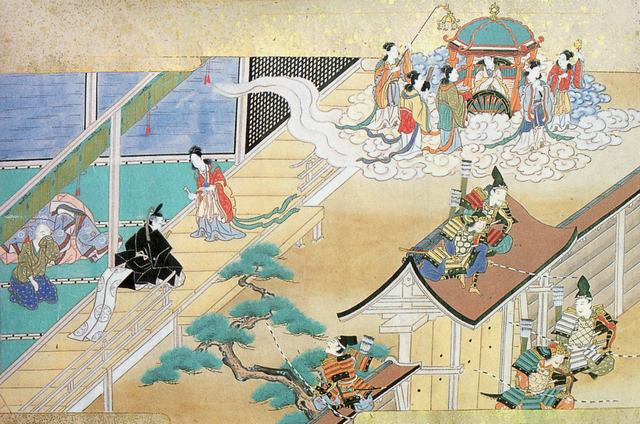
Kaguya-hime, a beautiful princess from the moon, is discovered inside a glowing bamboo stalk. After rejecting many suitors, she returns to the moon, leaving behind a magical elixir of immortality.
Some theories suggest that this story is one of Japan’s earliest science fiction tales. Kaguya-hime might actually be an alien or celestial being, sent to Earth as part of a test or exile.
✅ Hidden Meaning:
- Kaguya-hime might be an extraterrestrial being.
- The moon could represent a lost, advanced civilization.
- The story suggests humans and celestial beings cannot coexist.
9. Yuki-onna – A Ghost or a Nature Spirit?
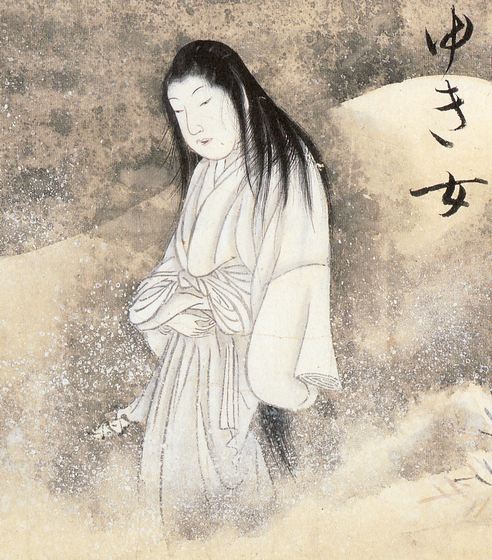
The legend of Yuki-onna (Snow Woman) tells of a beautiful woman who freezes travelers to death. However, she spares one man because he promises never to tell anyone about her. When he breaks his promise, she vanishes forever.
Some scholars see Yuki-onna as a metaphor for winter itself—beautiful yet deadly. Others believe she represents a spirit punishing those who disrespect nature.
✅ Hidden Meaning:
- Yuki-onna is a symbol of winter’s beauty and danger.
- The story teaches the consequences of breaking trust.
- It reflects Japan’s deep respect for nature’s power.
10. Hanasaka Jiisan – Based on Ancient Nature Worship?
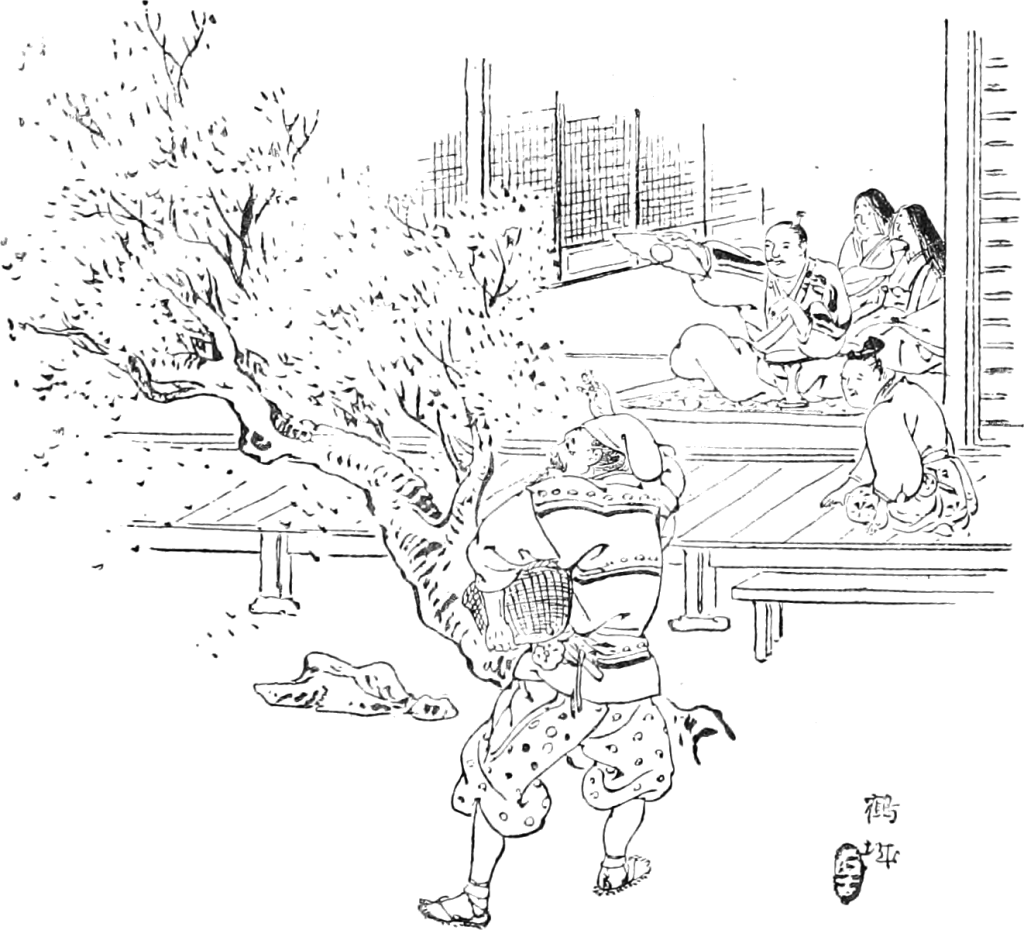
The story of Hanasaka Jiisan tells of an honest old man who scatters ashes, making withered trees bloom. Some believe this tale is linked to ancient Japanese nature worship and shamanism.
In ancient Japan, it was thought that spirits resided in mountains and trees. The act of scattering ashes may symbolize an ancient ritual to awaken these spirits and bring nature to life. Additionally, the contrast between the kind old man who coexists with nature and the greedy neighbor who defiles it and gets punished mirrors traditional beliefs about reverence for nature.
✅ Hidden Meanings:
- Scattering ashes could be a remnant of an ancient spirit-awakening ritual.
- The story reinforces the idea that those who respect nature will be rewarded.
- Elements of shamanism may be embedded within the tale.
Conclusion
These classic Japanese folktales have more depth than they first appear—hidden meanings, dark themes, and even traces of history and science fiction. What other mysteries might they hold?