

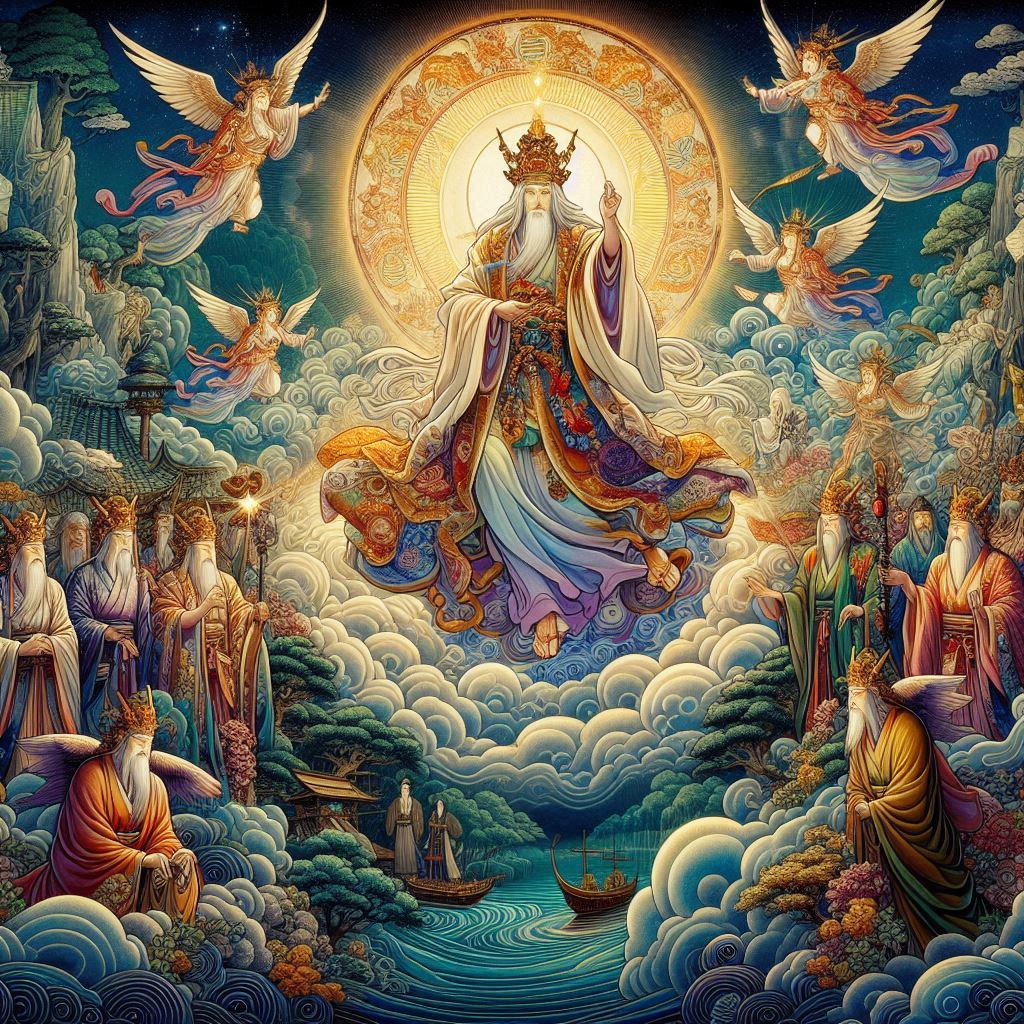
Japan has a myriad of deities known as the “eight million (yaoyorozu) gods. This presentation introduces ten of the most unusual Japanese deities and explains their backgrounds and meanings.
1. Toilet God (Ususama Myo-o)
In Japan, there is a belief that a god resides in the toilet. This deity, known as Ususama Myo-o, is a Buddhist guardian of purification, particularly protecting cleanliness in restrooms. There is even a saying that keeping the toilet clean can make you more beautiful, and some homes and temples still worship this deity today.
2. Navel God
A deity that protects the belly button. In Furano, Hokkaido, there is a “Navel Shrine” dedicated to this god, where people pray for stomach health and safe childbirth. In Japan, the navel is considered the center of life, which is why it has a god of its own.
3. Kitchen God (Koujin/Kamado God)
The protector of the kitchen and hearth, often referred to as Koujin or Kamado God. In ancient Japan, the hearth was the heart of the home, and this god was also seen as a fire deity. People believed that taking care of the kitchen led to family harmony.
4. Tonkatsu God (Victory God)
Because “katsu” (as in tonkatsu, a deep-fried pork cutlet) sounds like “win” in Japanese, this dish is commonly eaten for good luck before exams and sports competitions. Some shrines even honor a “Tonkatsu God” where people eat tonkatsu as part of their prayers for victory.
5. Sake God (Matsuo Taisha Deity)
Matsuo Taisha Shrine in Kyoto is home to the god of sake brewing. This deity is deeply revered by sake brewers and drinkers alike. The shrine even hosts sake-tasting events, blending spiritual traditions with Japan’s love for alcohol.
Here’s the English version of the section about the God of Hair (Mikami Shrine):
6. The God of Hair (Mikami Shrine)
Located in Kyoto, Mikami Shrine is the only shrine in Japan dedicated to the God of Hair. It is a sacred place for hairstylists, barbers, and those wishing for healthy and beautiful hair. Many people, especially those struggling with hair loss or thinning hair, visit the shrine to pray for strong and healthy hair growth. The shrine also offers special hair protection charms, making it a unique spiritual destination for those who cherish their hair.
7. Kappa God (Water Spirit God)
Various shrines across Japan worship kappa, the mythical water creatures. In Tono, Iwate Prefecture, there is a famous place called “Kappa Pool” where many legends about kappa exist. Kappa are considered messengers of water gods and were historically believed to prevent drowning accidents.
8. Flatulence God (Kawaya no Kami – Lavatory God)
A variation of the toilet deity, this god is associated with bodily purification, including flatulence. Ancient Japanese people considered passing gas as a sign of good digestion and health, which led to a belief in deities overseeing bodily functions.
9. Postal God (Monju Bosatsu – Wisdom Bodhisattva)
Monju Bosatsu, a bodhisattva of wisdom, is also associated with postal services and letter writing. In old Japan, letters and written communication were highly valued, and people prayed for the safe delivery of messages. Even today, writers and journalists pay respect to this deity.
10. Constipation God (Guardian of Digestion)
Apart from the god of the toilet, there is also the god of constipation relief. One can pray for digestive health and the resolution of bowel problems. This is an example of how Japanese culture values divine intervention even in personal health issues.
Conclusion
Japan is filled with unique gods, many of whom protect aspects of daily life that might seem trivial elsewhere. From toilets and flatulence to navels and postal services, the belief that gods reside in all things is deeply rooted in Japanese culture.
If you ever visit Japan, looking out for these quirky gods at shrines could add a fun and educational twist to your travels!