

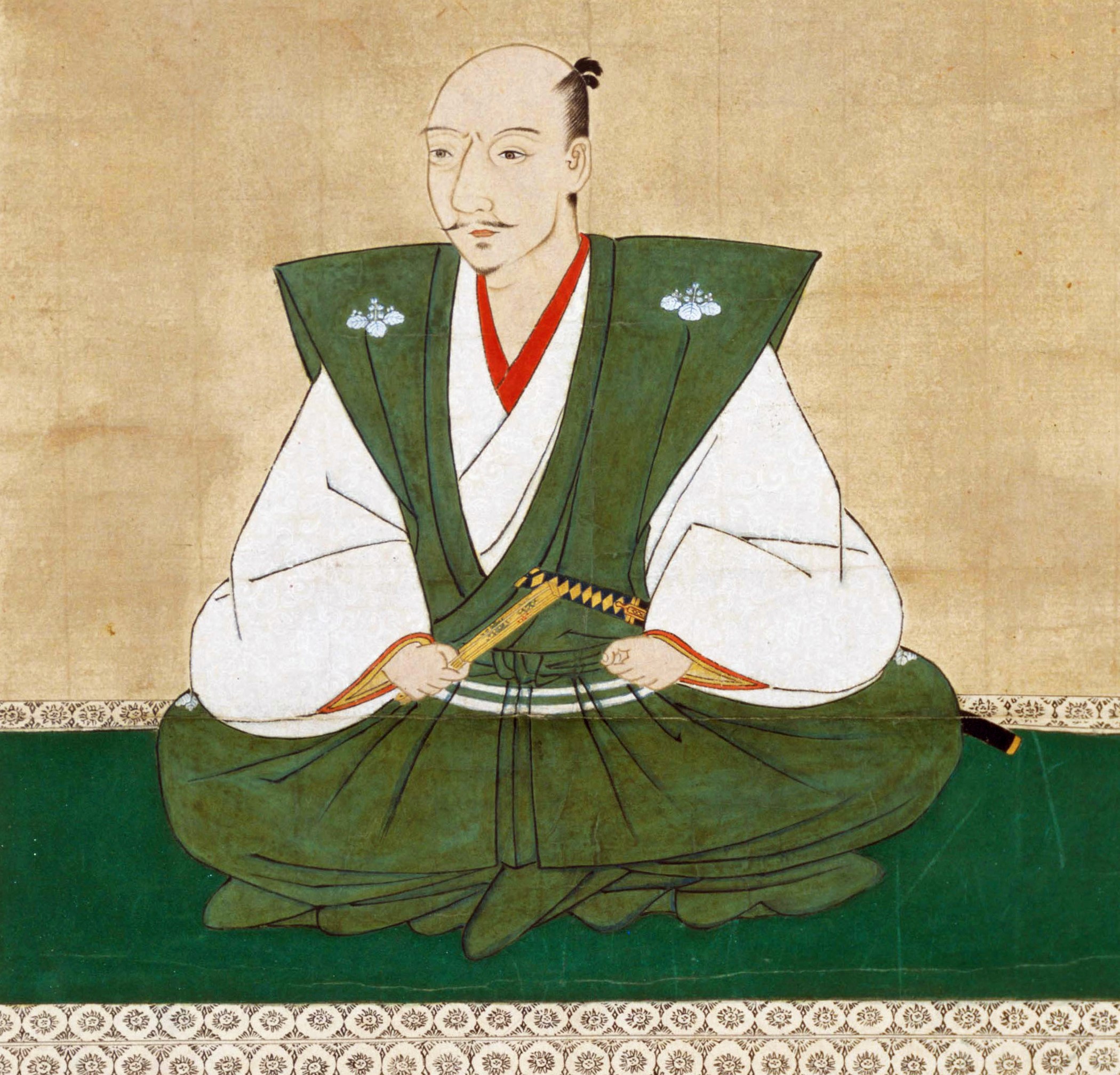
The warlords of the Sengoku period endured arduous paths to success, leaving behind peculiar events and records. Here, we present ten strange tales about these historical figures.
1. Nobunaga’s Obsession with Western Culture
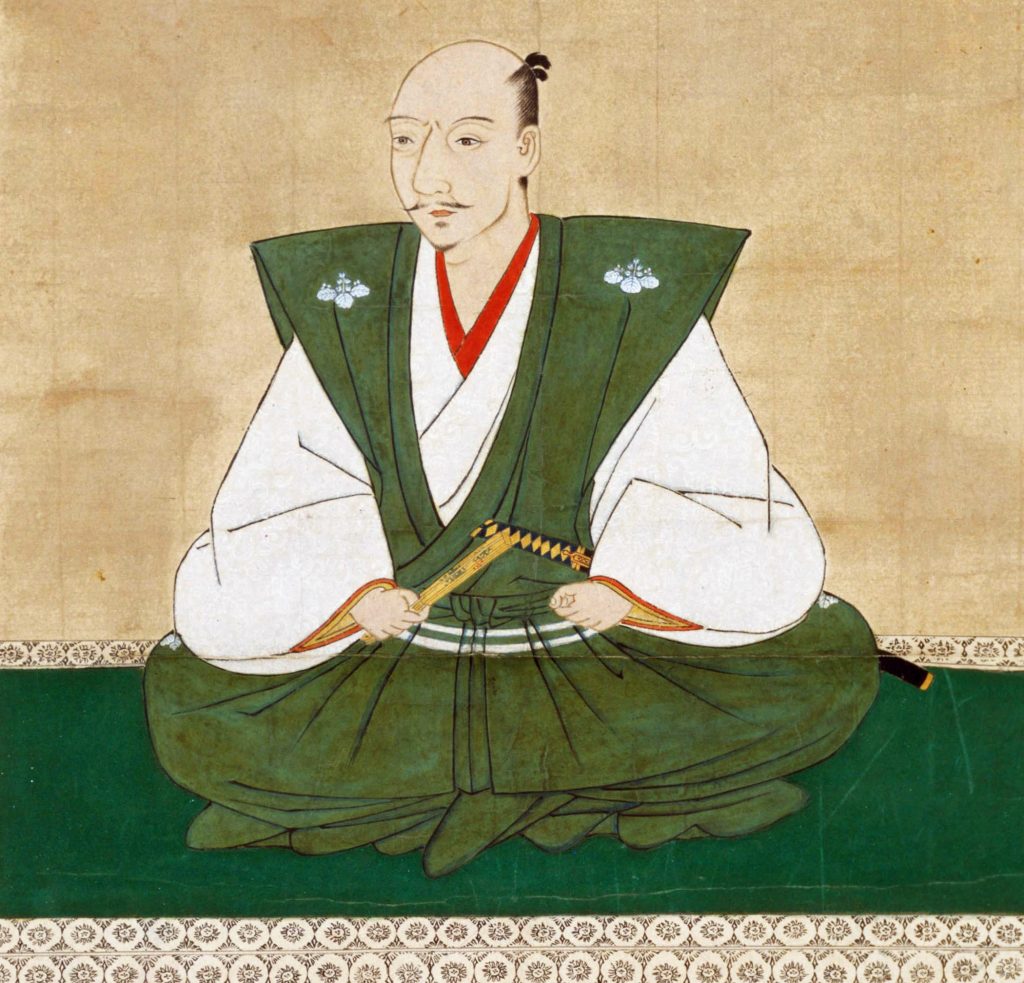
Oda Nobunaga, known as the “Demon King of the Sixth Heaven,” was a master strategist. At a time when Western culture was scarcely known in Japan, Nobunaga took a great interest in European artifacts, decorations, and firearms. His castle, Azuchi Castle, incorporated Western architectural elements, making it a highly unusual structure in Japan.
2. The Secret of Takeda Shingen’s Death
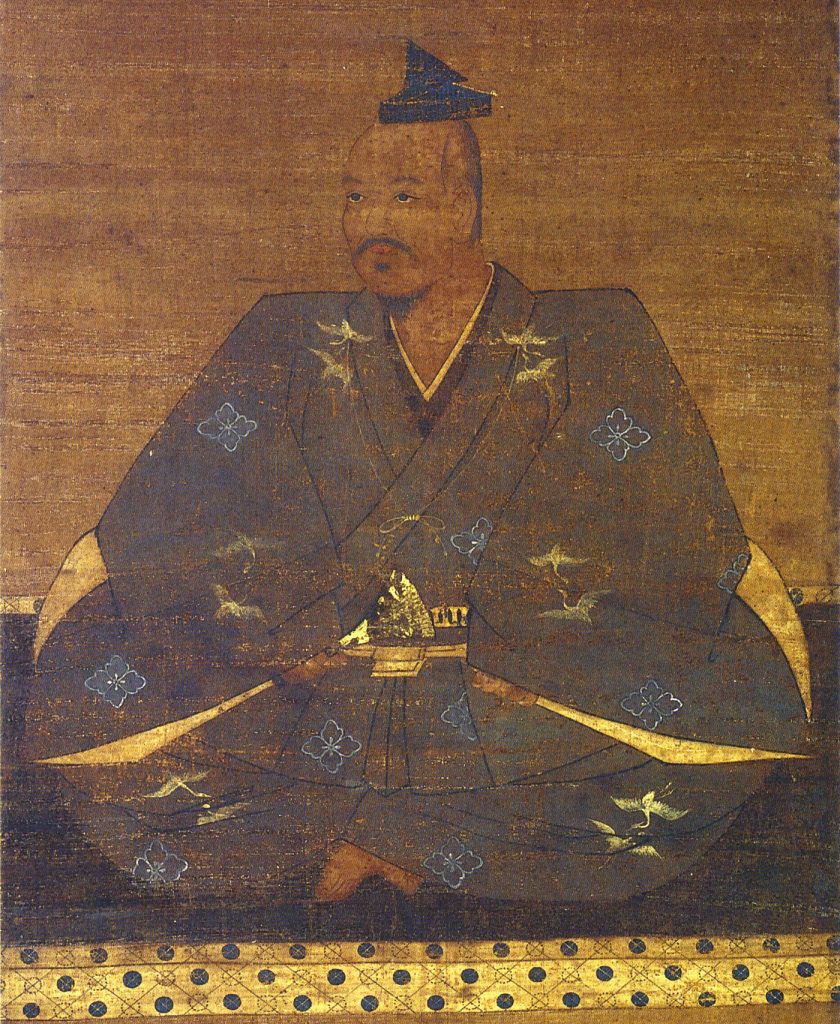
Takeda Shingen, known as the “Tiger of Kai,” was one of the most formidable strategists of the Sengoku period. However, his death was kept secret by his retainers for three years. This deception was a strategic move to prevent their enemies from realizing the weakening of the Takeda clan, demonstrating the clan’s extraordinary ability to manage information.
3. The Mystery of Uesugi Kenshin’s Gender
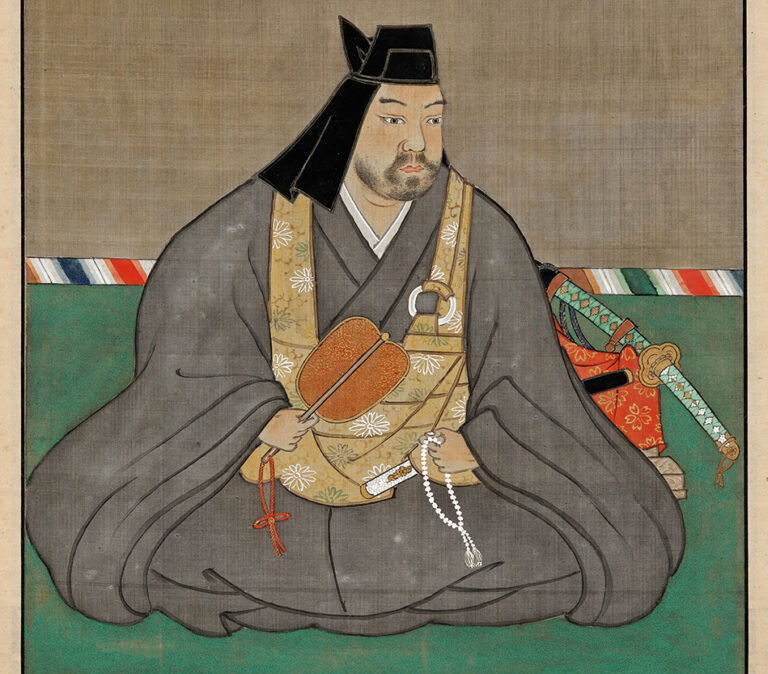
Uesugi Kenshin, feared as the “God of War,” is rumored to have been a woman. This theory is based on certain portraits showing feminine features and ancient records mentioning that Kenshin experienced “monthly cycles.” However, there is no definitive proof, and the debate continues to this day.
4. The Secret of Date Masamune’s One-Eyed Dragon
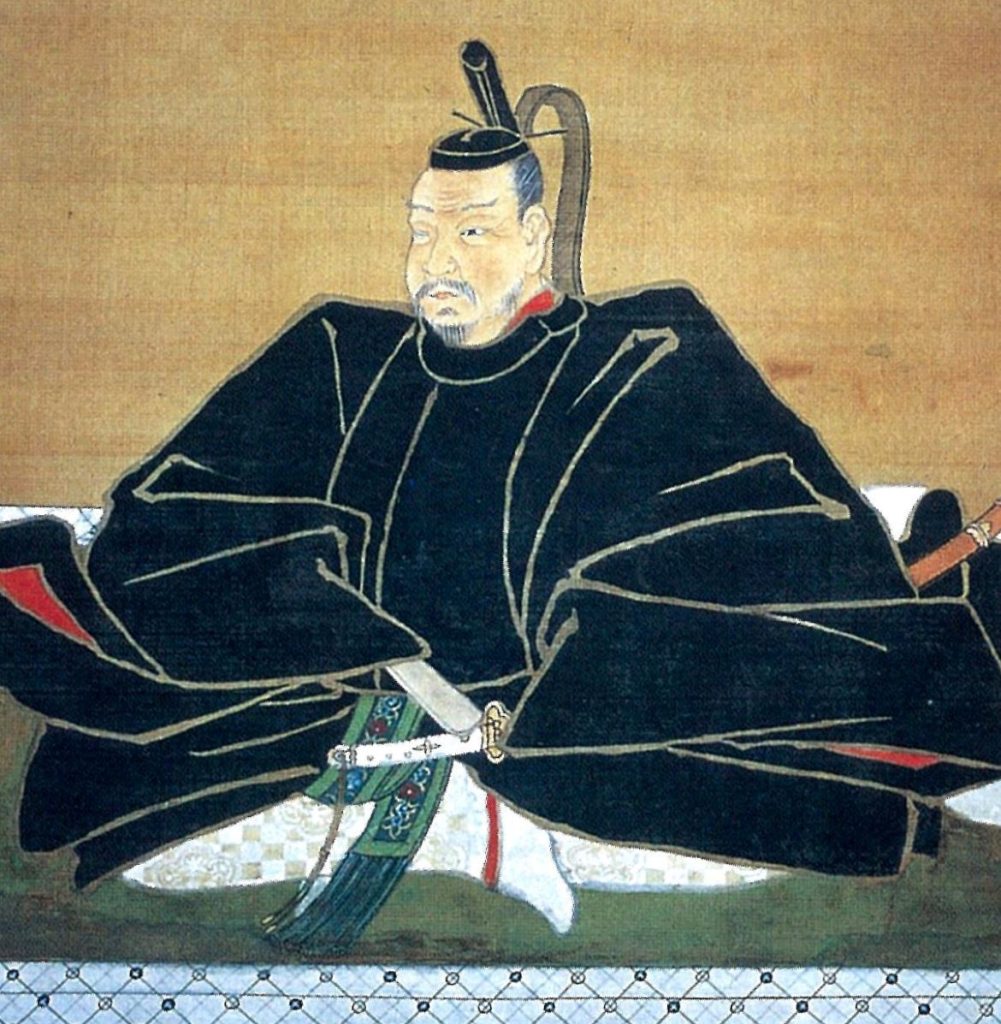
Date Masamune, known as the “One-Eyed Dragon,” lost sight in one eye. Some records state that he lost it due to childhood illness, while another theory suggests he gouged it out himself to demonstrate his resolve as a warrior. The loss of an eye sharpened his other senses, helping him become an exceptional tactician.
5. Toyotomi Hideyoshi’s “Monkey” Legend
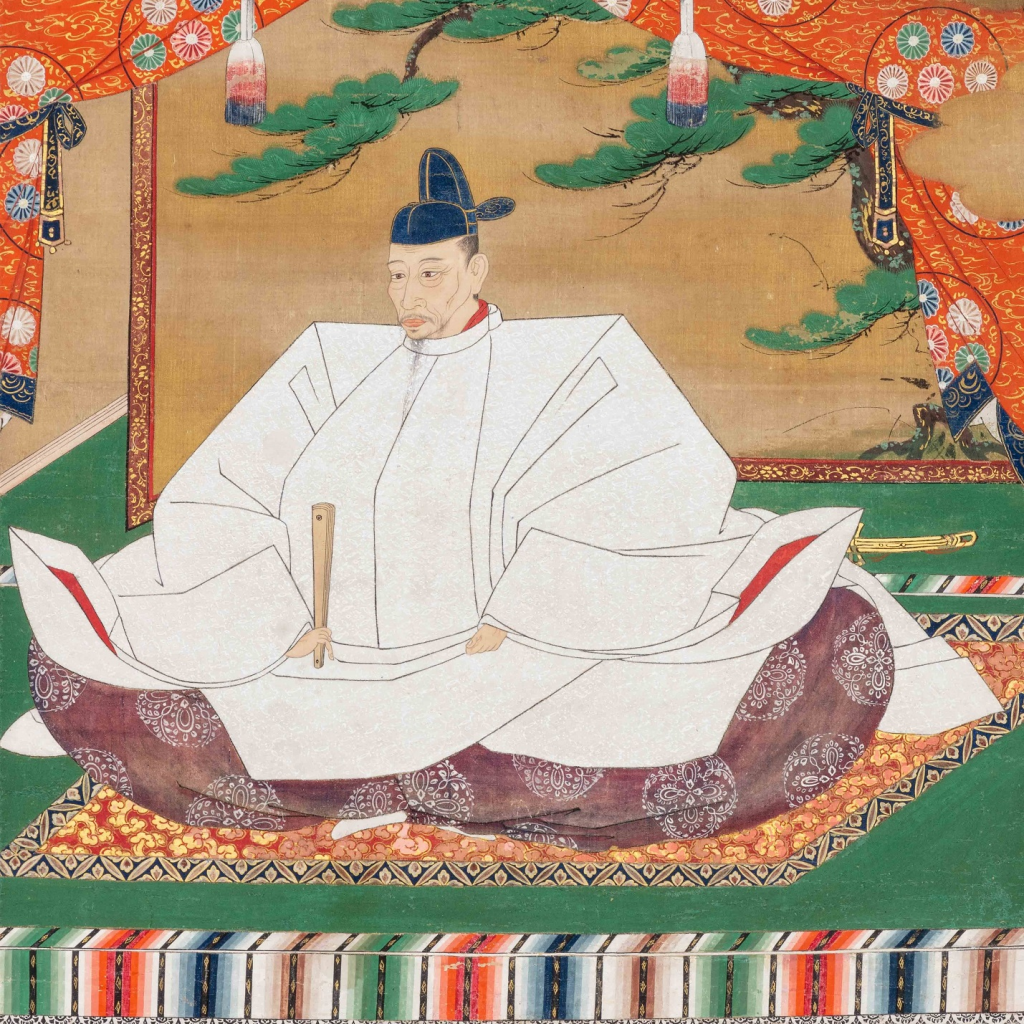
Toyotomi Hideyoshi was often called “Monkey.” One theory suggests that Oda Nobunaga gave him this nickname due to his appearance. Another theory states that Hideyoshi’s agility, quick wit, and ability to maneuver politically resembled a monkey, which contributed to his rapid rise to power.
6. The Shadow Warrior of Sanada Yukimura
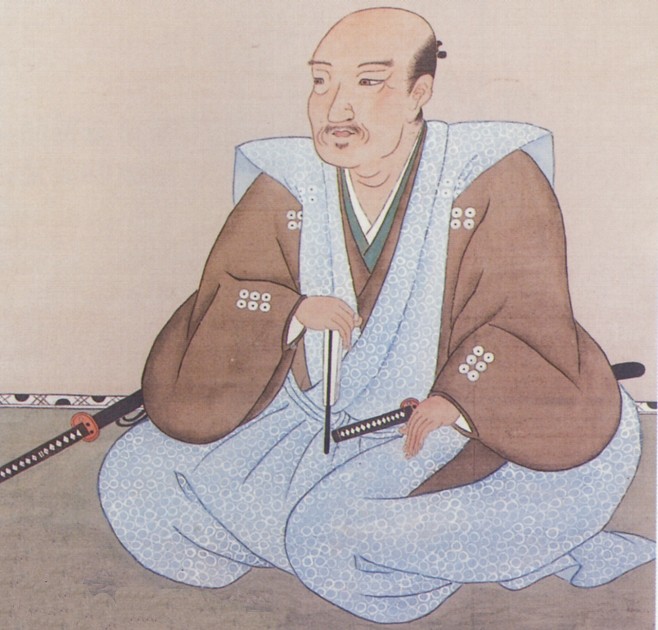
Sanada Yukimura, the last great commander of the Sengoku period, was rumored to have used a shadow warrior. Reports claim that multiple sightings of him on the battlefield led to speculation that he had a double. Furthermore, some legends suggest that Yukimura did not die in battle and instead survived in secrecy.
7. The Survival Theory of Akechi Mitsuhide
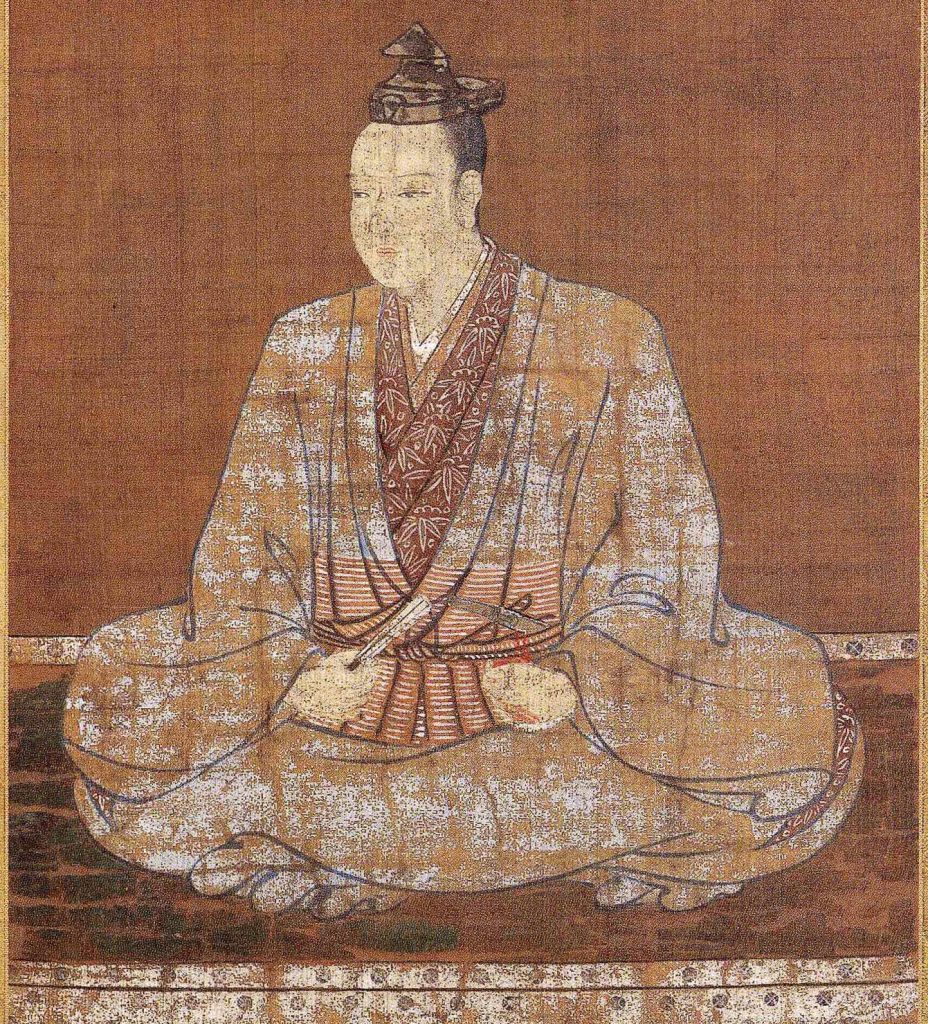
Akechi Mitsuhide, who orchestrated the Honnoji Incident against Nobunaga, was said to have died after his defeat at the Battle of Yamazaki. However, some believe he survived and later became the monk Tenkai, who served Tokugawa Ieyasu and played a crucial role in shaping the Edo period. The similarities between Mitsuhide and Tenkai fuel this theory.
8. The Meaning Behind Naoe Kanetsugu’s “Ai” Helmet
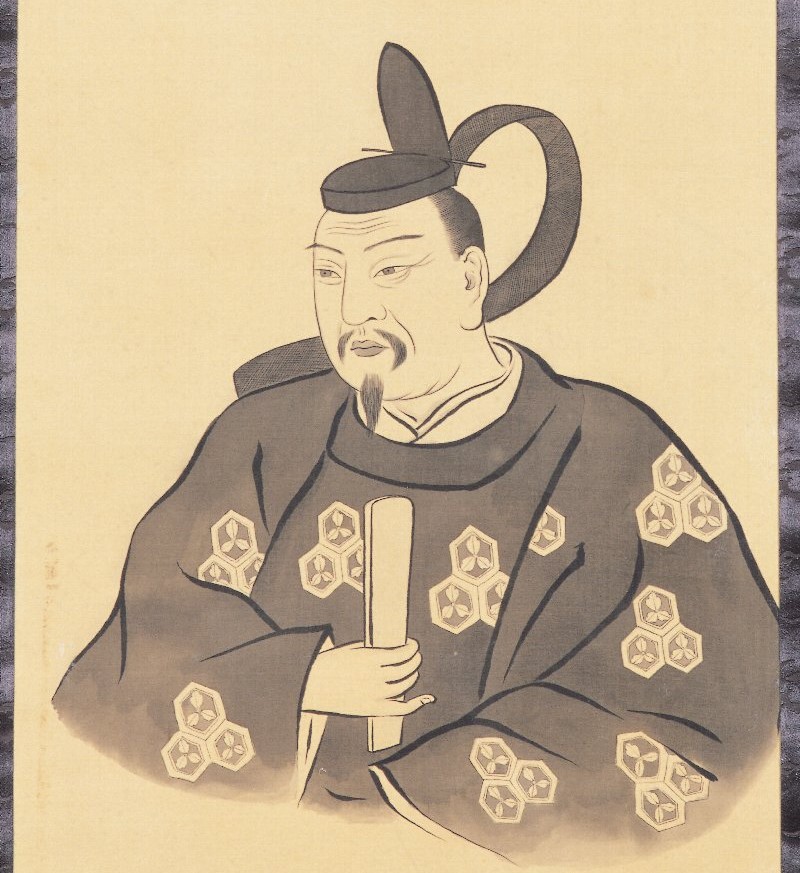
Naoe Kanetsugu, a prominent retainer of the Uesugi clan, wore a helmet with the character “Ai” (Love) on it. There are various interpretations of this symbol. One suggests it represents Aizen Myo-o, a Buddhist deity, while another suggests it symbolizes the Uesugi clan’s philosophy of loving and protecting the people.
9. The Eccentricity of Maeda Keiji
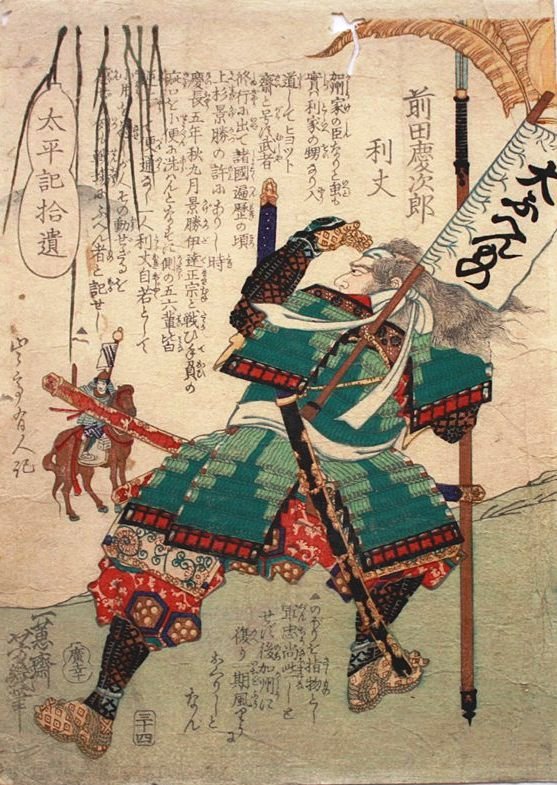
Maeda Keiji, known as the most flamboyant samurai of the Sengoku period, was infamous for his eccentric behavior. He reportedly rode into enemy camps alone, loudly announcing his name, and paraded through castle towns in extravagant outfits. These acts demonstrated his fearless nature and served to intimidate his foes psychologically.
10. The Truth Behind Mōri Motonari’s “Three Arrows”
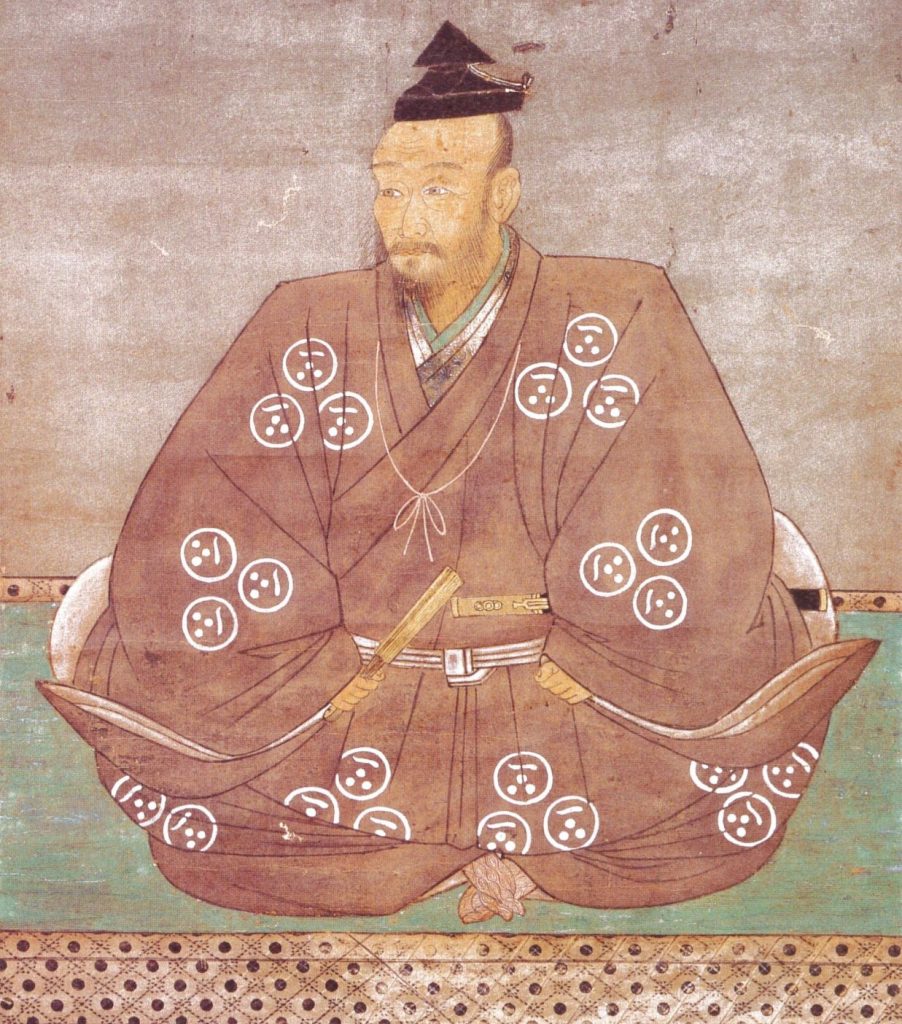
The story of Mōri Motonari’s “Three Arrows” is well known, emphasizing the importance of unity. According to legend, Motonari demonstrated to his sons that a single arrow could be easily broken, but three together were unbreakable. However, historical records do not support this story, and it is believed to be a later creation. Despite this, the lesson of unity remains widely recognized.
Conclusion
・ The Sengoku warlords left behind countless strange tales.
・ Many of these stories were later embellished, yet they still highlight the charisma of these figures.
・ History remains full of mysteries, with new discoveries waiting to be made.