

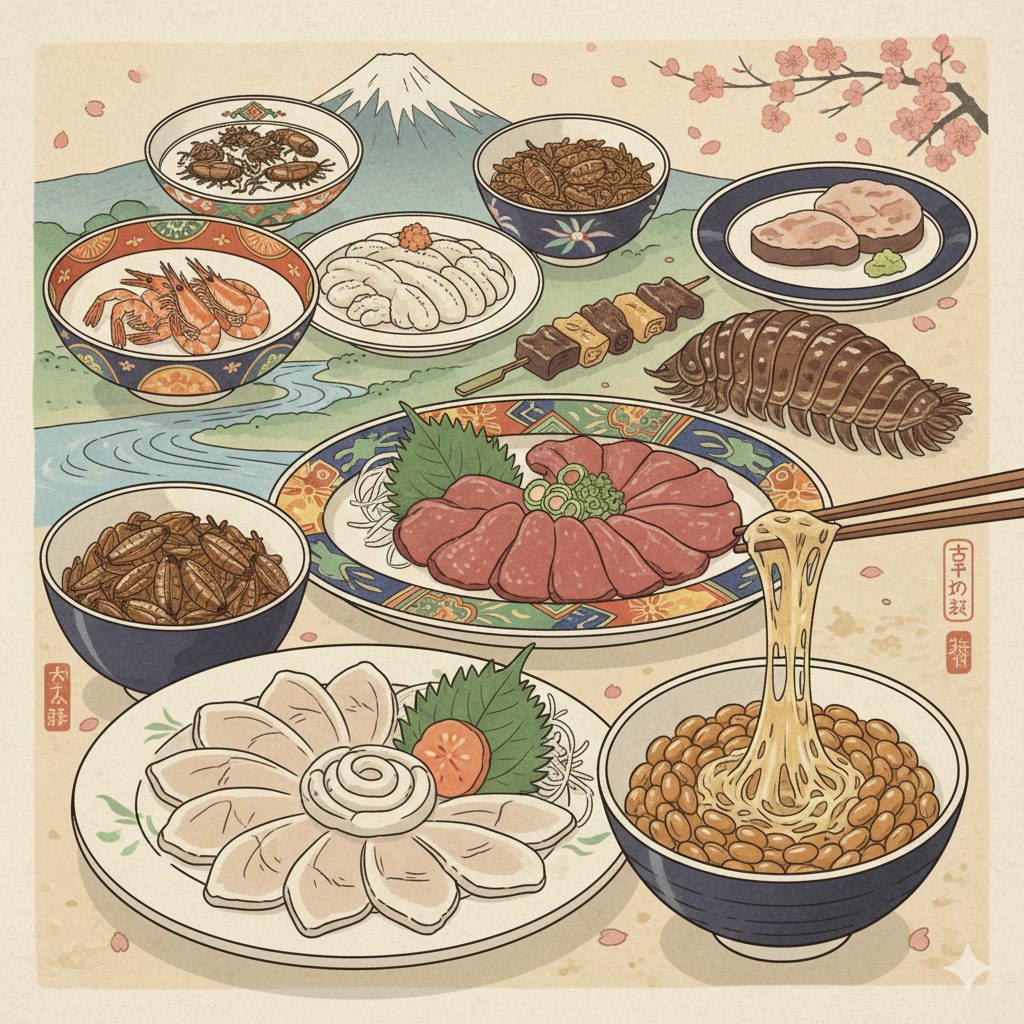
Japan is home to some of the most unique and surprising dishes in the world.
From fermented local specialties to strong-smelling delicacies, some foods might make you wonder:
“Do people actually eat this!?”
Here are 10 unusual Japanese dishes that are surprisingly popular!
1. Shimotsukare – The Sour Fermented Dish
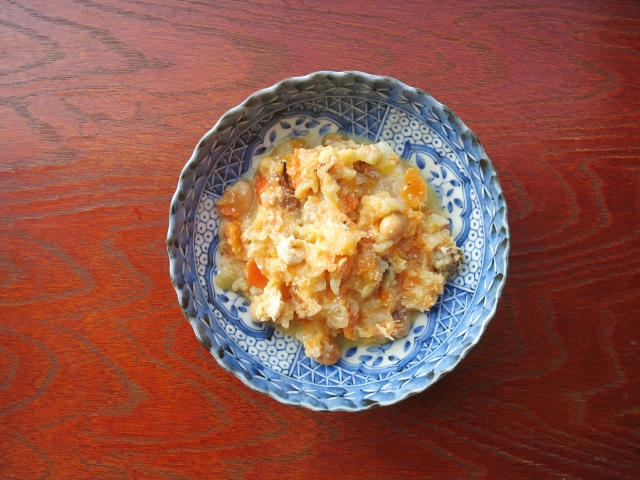
🔹 Overview
A traditional dish from Tochigi Prefecture, made after Setsubun.
It consists of grated salmon head, soybeans, carrots, and daikon radish, all simmered with sake lees.
🔹 Why is it unusual?
- Mushy texture and unappealing appearance
- Strong sour taste due to fermentation
- Eaten as a lucky charm for good health
2. Kusaya – The World’s Smelliest Dried Fish
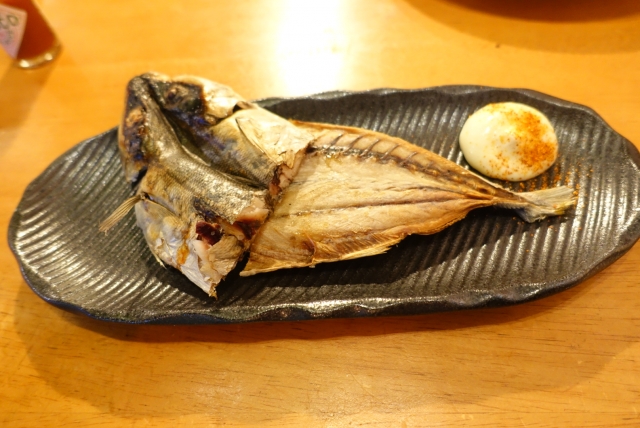
🔹 Overview
A specialty of the Izu Islands, this dried fish is fermented in “kusaya liquid”—a brine that has been reused for generations.
🔹 Why is it unusual?
- Smell stronger than natto or blue cheese
- Surprisingly flavorful once you get past the odor
- Grilling it indoors can make your house smell for days
3. Inago no Tsukudani – Sweet & Savory Grasshoppers
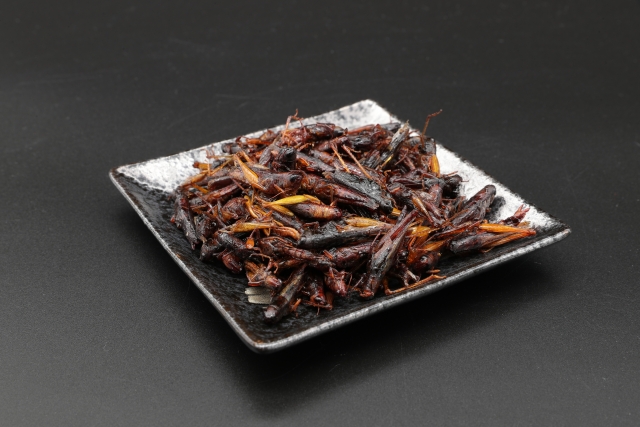
🔹 Overview
A dish from Nagano and Gunma, where grasshoppers are simmered in soy sauce and sugar.
Once a valuable protein source, it is still eaten today.
🔹 Why is it unusual?
- Eating insects is shocking to many people
- Crunchy texture, similar to shrimp
- A nostalgic delicacy for the older generation
4. Hoya – The “Sea Pineapple”

🔹 Overview
A bright red, spiky sea creature eaten in Miyagi and Iwate Prefectures.
It has a strong ocean smell and bitter aftertaste.
🔹 Why is it unusual?
- Bizarre appearance that doesn’t look edible
- Strong briny taste that divides opinions
- Loved by some, despised by others
5. Karasumi – Japan’s Bottarga
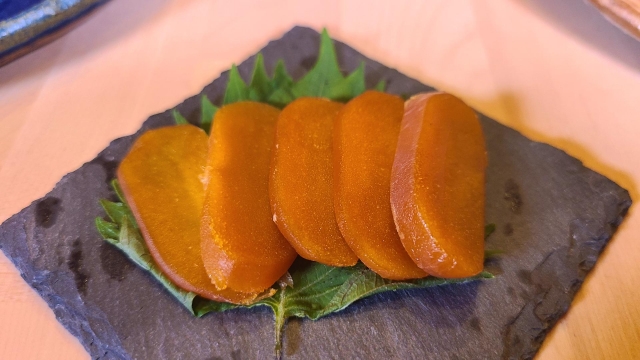
🔹 Overview
A luxury delicacy made from salted and dried mullet roe.
Often compared to caviar, it has a rich, umami-packed flavor.
🔹 Why is it unusual?
- Looks unimpressive despite being a high-end food
- Intensely salty and creamy texture
- Pairs well with sake or wine
6. Dojo Nabe – Hotpot with Live Loaches
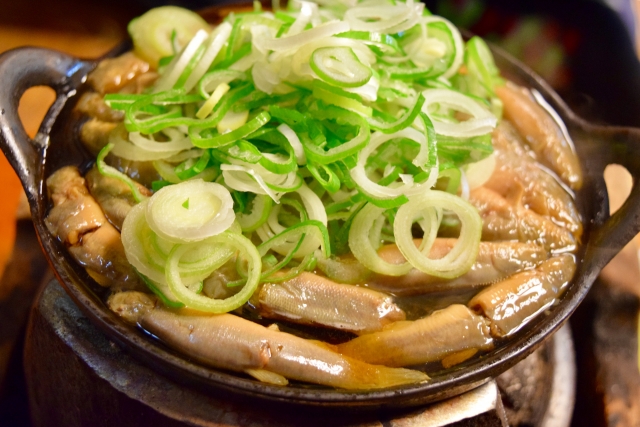
🔹 Overview
A traditional hotpot dish where live loaches (a type of fish) are boiled in broth.
Originally, they were thrown directly into hot water while still alive.
🔹 Why is it unusual?
- The cooking method is shocking
- Tastes like mild eel with a delicate flavor
- Modern versions use pre-killed fish
7. Fugu Ransou no Nukazuke – Poisonous Fugu Roe Pickles
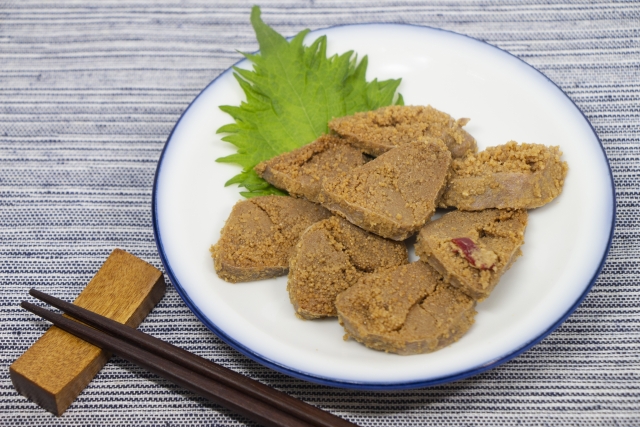
🔹 Overview
Fugu (pufferfish) roe is highly toxic, but in Ishikawa Prefecture, it is fermented in rice bran for years to remove the poison.
🔹 Why is it unusual?
- Starts as a deadly food but becomes edible
- Aged for years to neutralize toxins
- Salty, umami-packed, and pairs well with sake
8. Wasabi Ice Cream – Sweet but Spicy!?
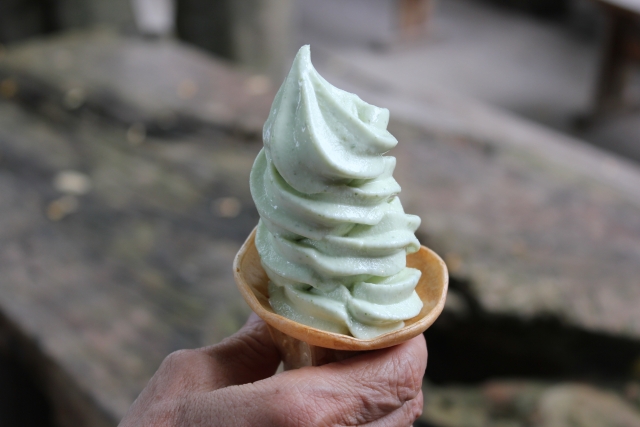
🔹 Overview
An ice cream made with real wasabi, sold in Shizuoka and Nagano.
It combines sweet creaminess with a spicy kick.
🔹 Why is it unusual?
- Cold but gives a sharp wasabi burn
- Surprisingly smooth and delicious
- A unique balance of sweetness and heat
9. Funazushi – Japan’s Oldest Sushi
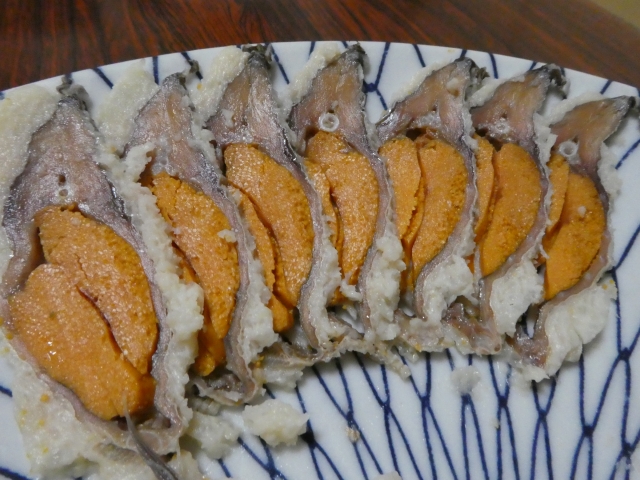
🔹 Overview
A fermented sushi from Shiga Prefecture, made by preserving lake fish (crucian carp) in rice for months.
It has a pungent smell and a tangy, cheesy flavor.
🔹 Why is it unusual?
- Has a smell as strong as natto or kusaya
- Tastes like fermented cheese or yogurt
- One of Japan’s oldest sushi styles
10. Anko Pasta – Sweet Red Bean Spaghetti
🔹 Overview
A Nagoya specialty where pasta is topped with anko (sweet red bean paste).
An odd mix of Japanese sweets and Italian pasta.
🔹 Why is it unusual?
- Dessert-like but served as a main dish
- Surprisingly pairs well with butter and cream
- A hidden B-grade gourmet favorite
Japan’s “unusual foods” are deeply connected to its history, geography, and creativity.
While some of these dishes might seem strange at first, they often have fascinating cultural backgrounds and unexpected flavors.
Would you dare to try them? 😏