

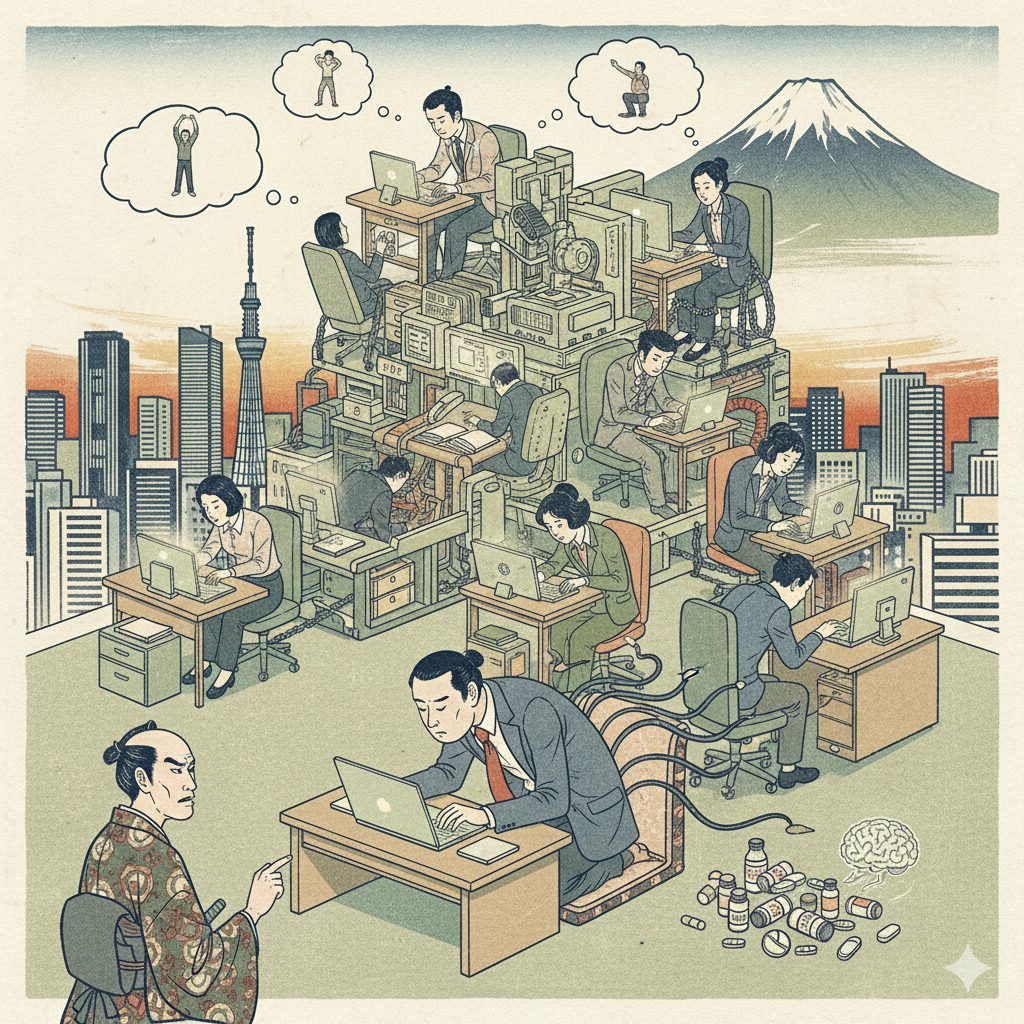
【Shocking】Are Japanese People the World’s Most “Sedentary”? The Fate of a Nation Bound to Their Desks
Are you reading this article while sitting down?
If so, I must share a chilling fact. In a survey of 20 countries, Japanese people hold the dubious distinction of spending the most time sitting worldwide.
“It’s unavoidable because of work,” “I’m tired, so I want to sit.”
What if those seemingly casual daily choices were actually slowly chipping away at your lifespan…?
We reveal the true nature of the “excessive sitting problem” modern people can’t avoid, along with concrete prescriptions to escape it.
1. Japan: The World’s Number One “Excessive Sitting Nation.” Its Abnormal Reality
According to an international comparative survey, the average time Japanese people spend sitting on weekdays is a staggering “7 hours per day.”
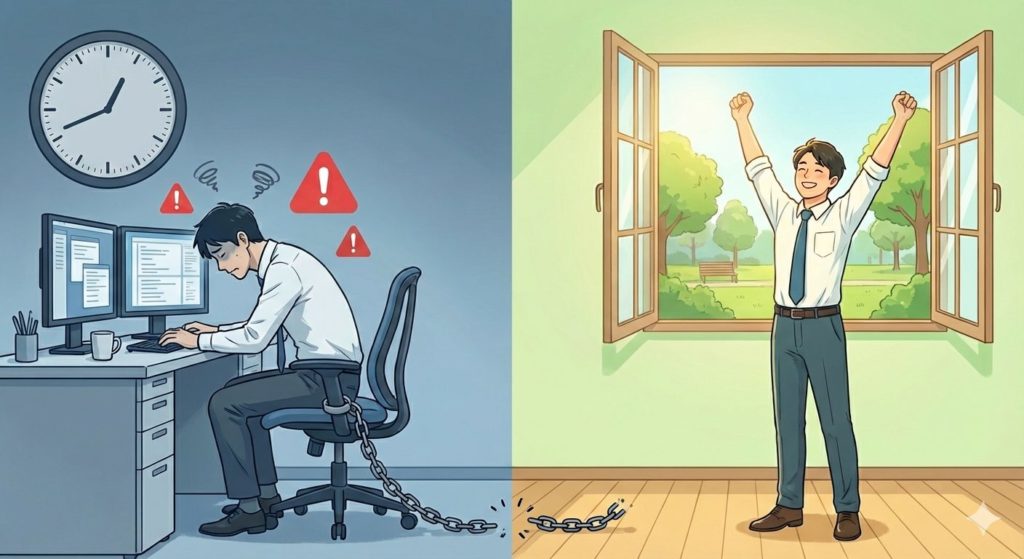
This is the longest among the 20 countries surveyed. Considering other countries average around 5 hours, Japanese people are essentially chained to their chairs for an extra 2 hours daily.
Why do Japanese people sit so much?
Japan’s work culture plays a significant role.
Long hours of desk work: Digitalization means work can be completed without moving.
The virtue of “staying at your desk”: An atmosphere where diligently remaining seated is often seen as a sign of “working hard.”
Changes in transportation: Door-to-door commuting and the scramble for seats on crowded commuter trains.
Modern Japanese people are living the most “sedentary” lifestyle of any generation in history.
2. “Secondhand Smoking”? The Terrifying Damage Excessive Sitting Inflicts on Your Body
“If I’m just sitting, I won’t get tired and it can’t be bad for my health, right?”
You might think that. However, the medical community states that sitting too much is as harmful as “secondhand smoke.”
Blood Flow Declines After Just 30 Minutes of Continuous Sitting
Approximately 70% of the muscles in the human body are concentrated in the lower body. Sitting continuously shuts down this “muscular engine.”
Metabolic Decline: Without muscle use, sugar and fat metabolism plummets.
Blood Flow Deterioration: The calves, often called the “second heart,” become inactive, making blood thicker and more viscous.
Vascular Damage: Research shows that just 30 minutes of continuous sitting begins to impair vascular function.
Accumulating Silent Risks
If this state persists for years or decades, the risk of serious diseases skyrockets:
Diabetes: Due to reduced metabolic function.
Cardiovascular Disease: Heart attacks and strokes caused by poor blood flow.
Cancer: Reports indicate heightened risk, particularly for colorectal and breast cancer.
Mental Health: Reduced blood flow to the brain increases the risk of depression and dementia.
The notion that “I’ll make up for it by hitting the gym all weekend” unfortunately doesn’t hold water. Research shows the damage caused by “excessive daytime sitting” cannot be fully offset by short bursts of intense exercise.
3. Just change your mindset. Habits to break the “sitting all day” cycle you can start today
There’s no need to despair. The key is a simple adjustment: avoid sitting continuously for long periods. Recent studies prove that standing up for just 3 minutes every 30 minutes significantly reduces health risks.
Here are three “stand-up strategies” to start practicing today.
① Make the “30-Minute Timer” Your Work Buddy
Ever get so absorbed you realize two hours have flown by? Set a timer on your smartwatch or phone for 30 minutes. When it goes off, just stand up and stretch. That simple action resets your blood flow.
② Introduce Standing Meetings
If you lead a team, hold short meetings while standing. Standing while talking activates your brain, speeding up decision-making (and shortening meetings) compared to sitting—a welcome side benefit.
③ Embrace “Inconvenience” as Your Ally
Place your trash can away from your desk.
Use a small cup for drinks, forcing you to refill frequently.
Always stand up to take phone calls.
Modern society has become too convenient. Deliberately designing situations where you “must walk” becomes your strongest defense.
4. Your Future Changes with How You Sit
“Japanese people sit too much.”
This fact also presents an opportunity: “Simply developing the habit of standing up can make you overwhelmingly healthier than those around you.”
Want to boost work productivity? Stay youthful in ten years? Reduce illness risk?
The answer isn’t expensive supplements or the latest gym membership. It lies in the simple action right before your eyes: standing up from your chair.
Right after finishing this article, stand up once and take a deep breath.
That single step should be the first toward extending your lifespan.