

10 Fascinating Facts About Japanese Sake
Introduction
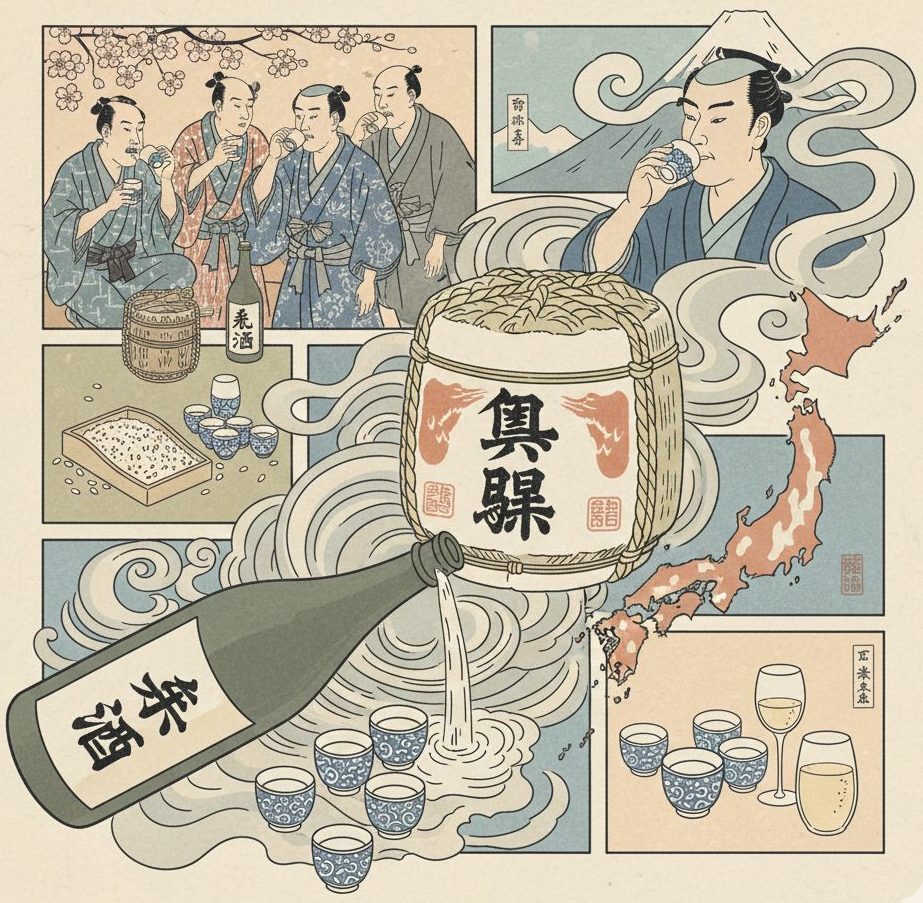
Japanese sake — often called nihonshu in Japan — is a drink deeply tied to tradition, craftsmanship, and culture. Although it is made from just four basic ingredients (rice, koji, water, and yeast), sake offers remarkable complexity and diversity.
This article explores 10 fascinating facts that will deepen your understanding and appreciation of this iconic Japanese beverage.
1. Sake may have originated more than 2,000 years ago
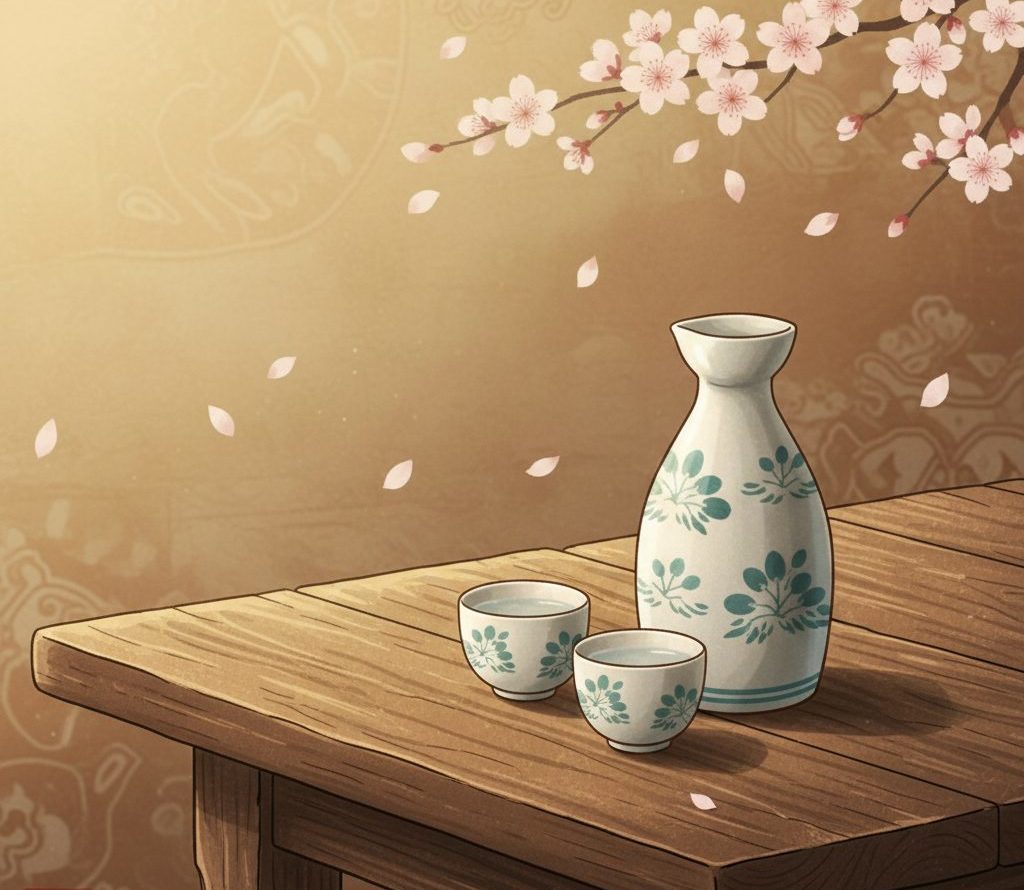
The roots of sake stretch back to early rice-farming society in ancient Japan. While the exact origin is still debated, historical studies indicate that rice-based fermented beverages likely existed during the Yayoi Period.
Over time, brewing technology evolved, and the foundations of modern clear sake (seishu) were established during the Nara and Heian periods.
2. Only four ingredients — yet incredibly complex
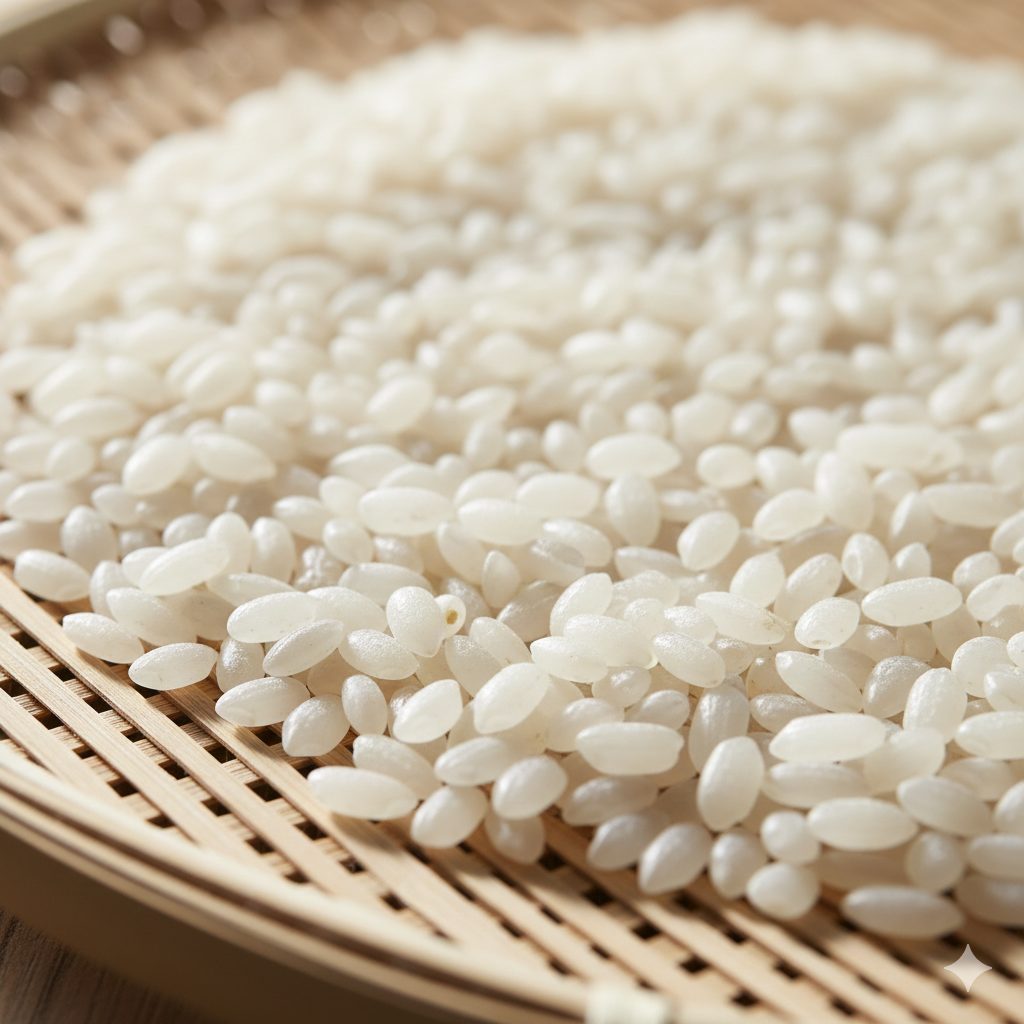
Modern sake is made from four core ingredients:
- Rice
- Koji (rice inoculated with koji mold)
- Water
- Yeast
Despite its simple recipe, the brewing process is highly delicate. The polishing ratio of the rice, water quality, koji activity, temperature control, and fermentation techniques all affect aroma, flavor, and texture — resulting in countless variations.
3. Sake can be enjoyed chilled or warm
Unlike many alcoholic beverages, sake can be served at a wide range of temperatures:
- Chilled (reishu) for crisp and aromatic varieties
- Room temperature for balanced flavors
- Warm (kanzake) for rich and mellow styles
Changing the temperature can completely transform the taste experience, making sake an unusually versatile drink.
4. Rice polishing dramatically influences flavor
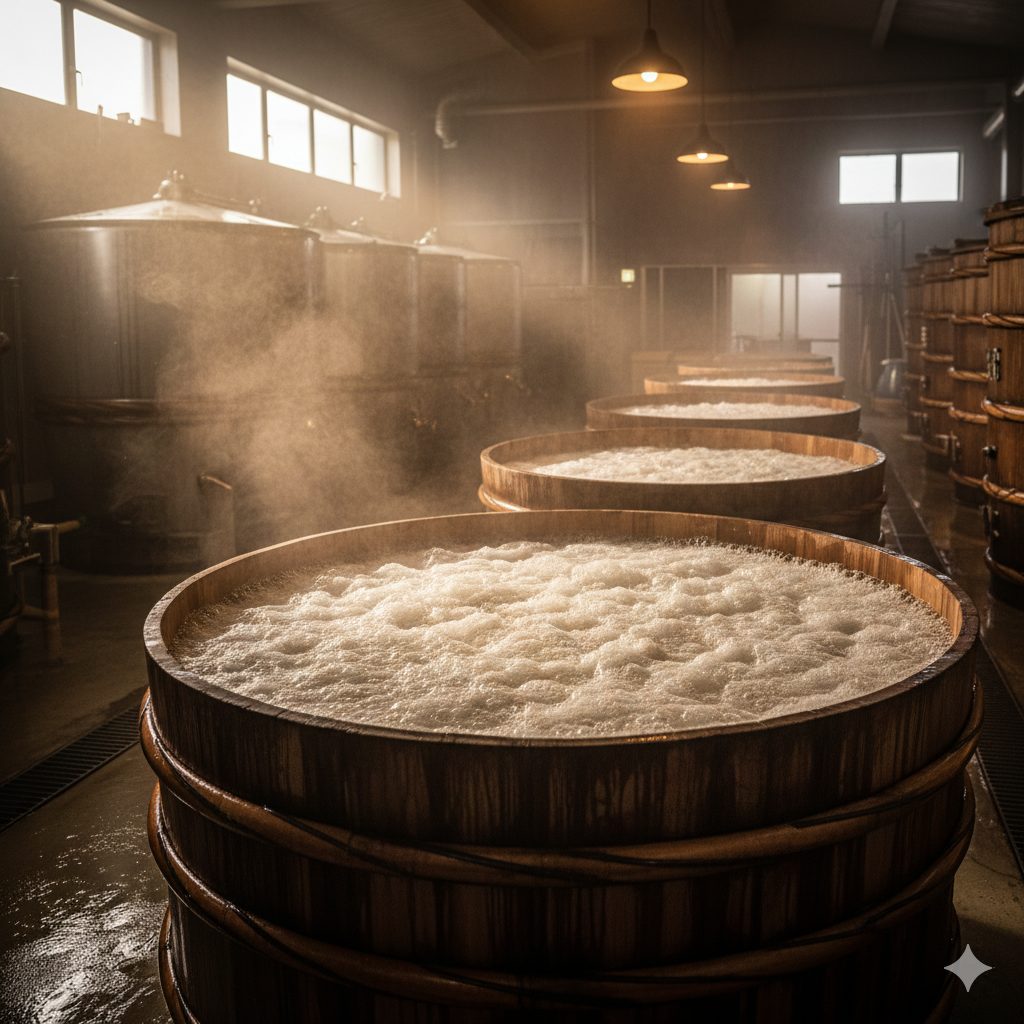
The seimaibuai (rice-polishing ratio) determines how much of each rice grain is milled away.
- Highly polished rice → elegant aroma and clean taste (e.g., ginjo, daiginjo)
- Less polished rice → bold flavors and umami-rich characteristics
This is why different sake styles pair well with different moods, occasions, and foods.
5. Sake has always been part of Japanese culture and ritual
Since ancient times, sake has played a central role in spiritual ceremonies, festivals, and celebrations.
From Shinto rituals to weddings and seasonal events, sake has symbolized purity, gratitude, and connection between people and deities. It remains deeply rooted in Japanese identity today.
6. From cloudy origins to refined clear sake
Early sake resembled today’s unfiltered doburoku — thick and cloudy.
Over centuries, innovations in koji, fermentation control, and filtration led to the creation of crystal-clear seishu (refined sake). This shift formed the basis of modern premium brewing.
7. Regional diversity — every area has its own style

Japan has hundreds of breweries (sakagura), and each region’s climate, water, rice, and yeast contribute to character differences.
Sake is very much a “local product” — tasting different depending on where it was born. Comparing regions is one of the most enjoyable ways to explore sake.
8. Sake and Japanese cuisine are a natural match
The umami of sake blends effortlessly with traditional Japanese dishes such as:
- Sushi & sashimi
- Grilled fish
- Pickled or fermented foods
- Seasonal dishes with delicate seasoning
Sake does not overwhelm flavor — it complements it, enhancing subtle nuances of food.
9. Sake is gaining international recognition
The global popularity of Japanese cuisine has boosted interest in sake as well. Today, restaurants and sommeliers around the world pair sake with not only Japanese dishes but also seafood, cheese, and even desserts.
Understanding the culture and craftsmanship behind sake makes the tasting experience even more meaningful.
10. Tradition and innovation continue to coexist
Modern sake brewing honors centuries-old techniques while also embracing experimentation:
- New rice varieties
- Specialized yeast
- Aged sake
- Sparkling sake
- Barrel aging and unique fermentation methods
The world of sake continues to evolve — making it an exciting field for both beginners and connoisseurs.
Conclusion
Sake is more than a drink — it reflects history, craftsmanship, spirit, and celebration.
Whether you explore regional varieties, pair it with food, or experiment with different serving temperatures, every sip has a story behind it.
To truly experience sake is to taste a part of Japan itself.