

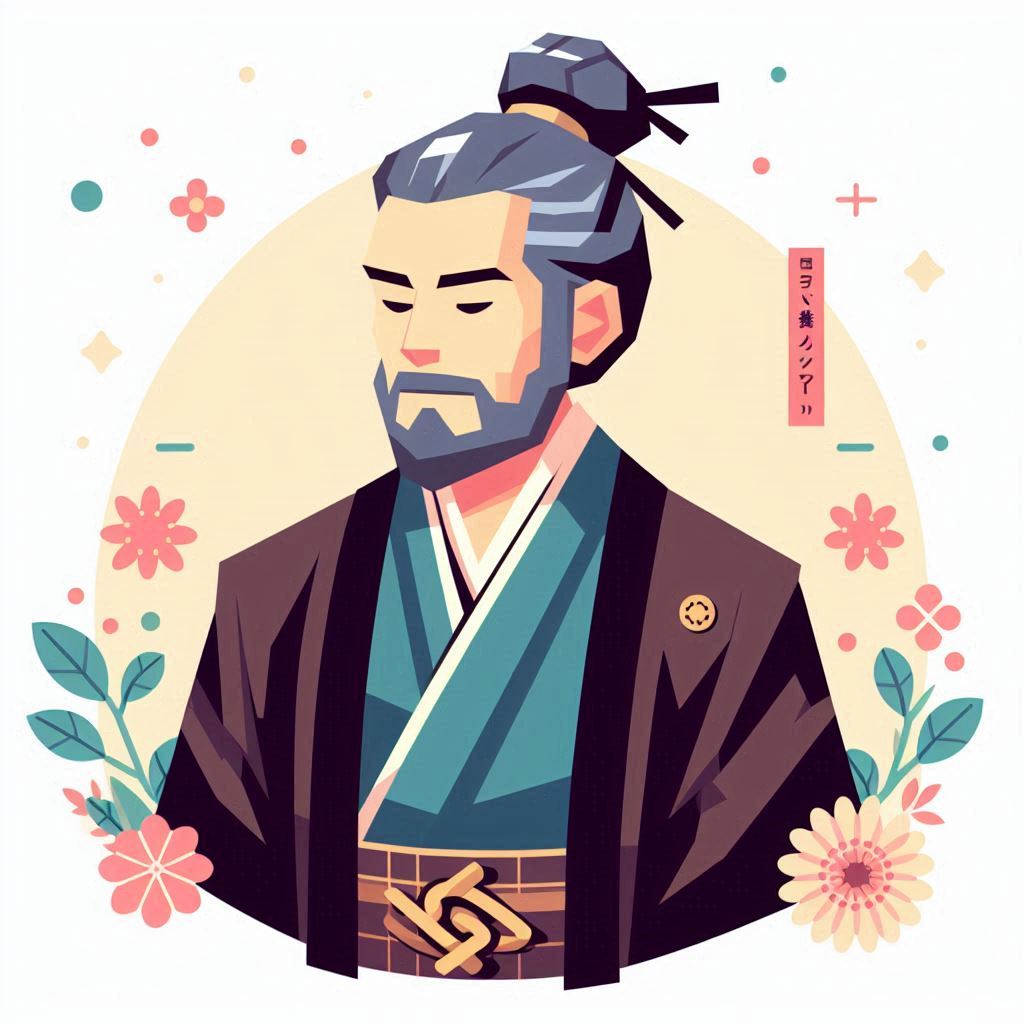
The “chonmage” is a hairstyle that was a symbol of men in the Edo period. In fact, there were many different types and meanings of chonmage, and they represented the status and occupation of the time. This article introduces 10 secrets of the chonmage, such as its history, types, and how to tie it, which you may not know.
1. The Origin of the Chonmage: Was it Related to the Samurai Helmet?
- The prototype of the chonmage was a hairstyle called “motodori,” which was tied up by Heian period nobles to keep their hair in their crowns and hats. In the Kamakura period, when samurai wore helmets on the battlefield, the hair on the top of their heads got in the way, so they began to shave it off, and the current chonmage shape became closer.
- Key point: The chonmage was not just a fashion statement, but a practical hairstyle tailored to the samurai’s fighting style.
2. Types of Chonmage: Were the Shapes Different Depending on Status and Occupation?
- There were various types of chonmage depending on status and occupation. Representative examples include the samurai’s “hondamage,” the sumo wrestler’s “oicho,” and the townspeople’s “chonmage.”
- Key point: You could tell what kind of status and occupation a person had by looking at their chonmage.
3. How to Tie the Chonmage: Did it Require the Skills of a Craftsman?
- Tying the chonmage required specialized skills. A craftsman called a hairdresser carefully tied it up using combs and razors.
- Key point: The chonmage was a collection of the best hairstyling techniques of the time.
4. Chonmage and Sakayaki: Why Shave the Top of the Head?
- When tying the chonmage, it was necessary to shave the hair on the top of the head, a process called “sakayaki.” It is said that this was to prevent stuffiness when wearing a helmet and to make it easier to treat injuries on the battlefield.
- Key point: Sakayaki was a wisdom of the time that took into account hygiene and practicality.
5. Chonmage and Culture: Is the Chonmage Seen in Period Dramas Real?
- The chonmage that appears in period dramas is a reproduction by modern actors using special makeup. The chonmage of the time is said to have been more casual and had a richer personality.
- Key point: The chonmage in period dramas is merely an entertainment expression.
6. Chonmage and Women: Did Women Also Tie Chonmage?
- xplanation: In the early Edo period, there was a time when women also tied chonmage. This is said to be a remnant of women’s active role in samurai society.
- Key point: The chonmage was not just a men’s hairstyle.
7. Chonmage and Children: Was the Children’s Chonmage Cute?
- Children’s chonmage was different from adults’ and tended to be cute. In particular, at Shichi-Go-San, they tied chonmage with gorgeous decorations.
- Key point: Chonmage was also used in rituals to celebrate children’s growth.
8. Chonmage and Fashion: Was Chonmage a Fashion Leader?
- In the Edo period, the shape and style of the chonmage became popular, and people eagerly adopted new hairstyles.
- Key point: The chonmage was the fashion leader of the time.
9. Chonmage and History: Was the Chonmage Prohibition Order Issued?
- In the Meiji era, with the trend of civilization and enlightenment, the chonmage came to be regarded as a symbol of outdatedness, and in 1871, the “Danpatsu Rei” (Edict Prohibiting Wearing Swords and Adopting Western Hairstyles) was issued, and tying the chonmage was prohibited.
- Key point: The chonmage was also a symbol of Japan’s modernization.
10. Chonmage and Modern Times: Are There People Who Still Tie Chonmage Today?
- Today, sumo wrestlers and some traditional performing arts practitioners tie chonmage.
- Key point: The chonmage continues to live on in modern times as a symbol of Japanese traditional culture.
Conclusion
The chonmage is a symbol of men in the Edo period, and at the same time, it is a valuable cultural heritage that conveys the culture and history of the time. By knowing the secrets of the chonmage, you can gain a deeper understanding of the lives and values of people in the Edo period.