
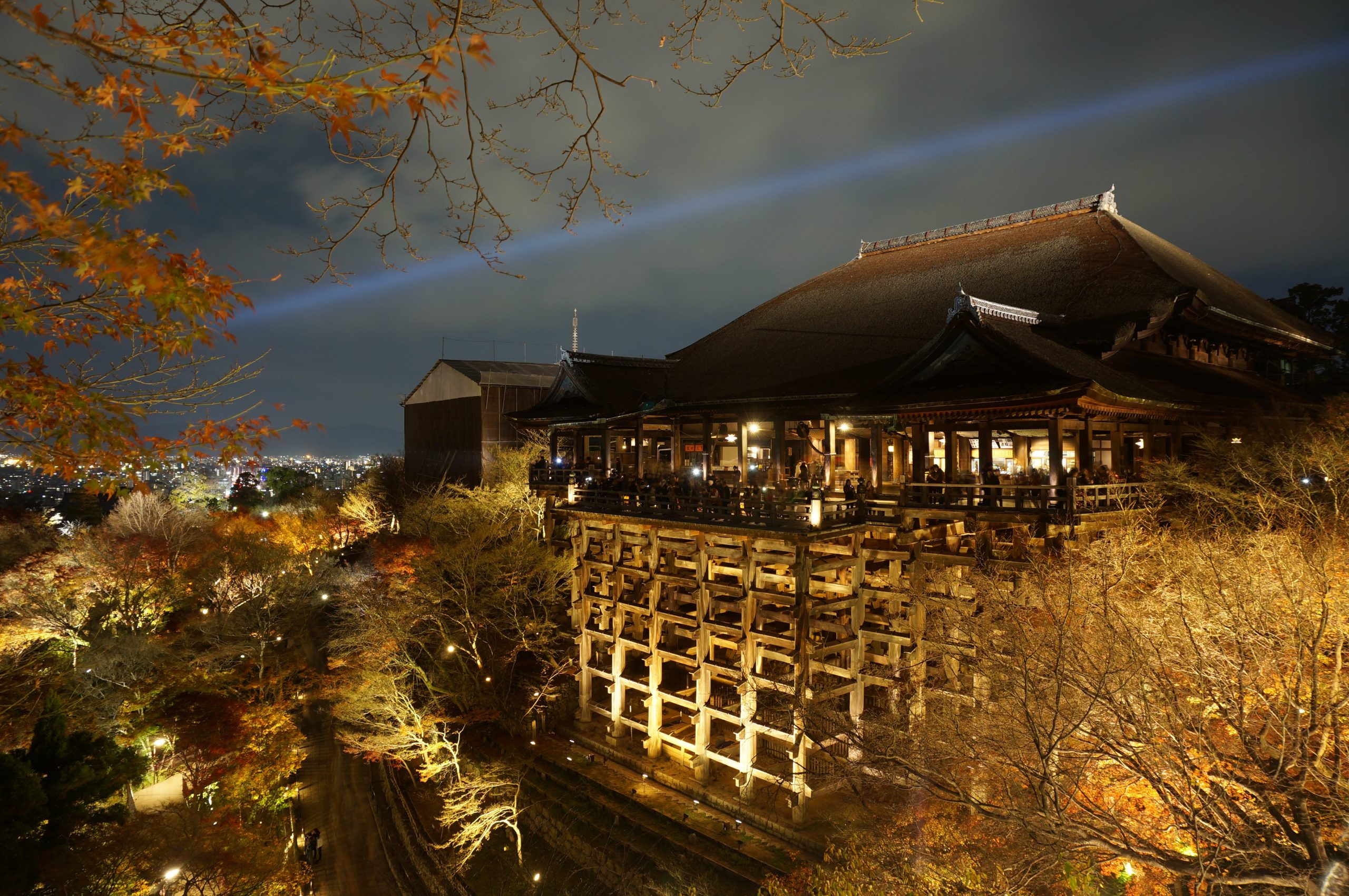
Kyoto is a city rich in history and tradition, offering numerous attractions that showcase the beauty of Japan’s cultural heritage. From ancient temples to picturesque landscapes, Kyoto has something for every traveler. In this article, we introduce ten must-visit spots in Kyoto and why they are worth visiting.
1. Kiyomizu-dera
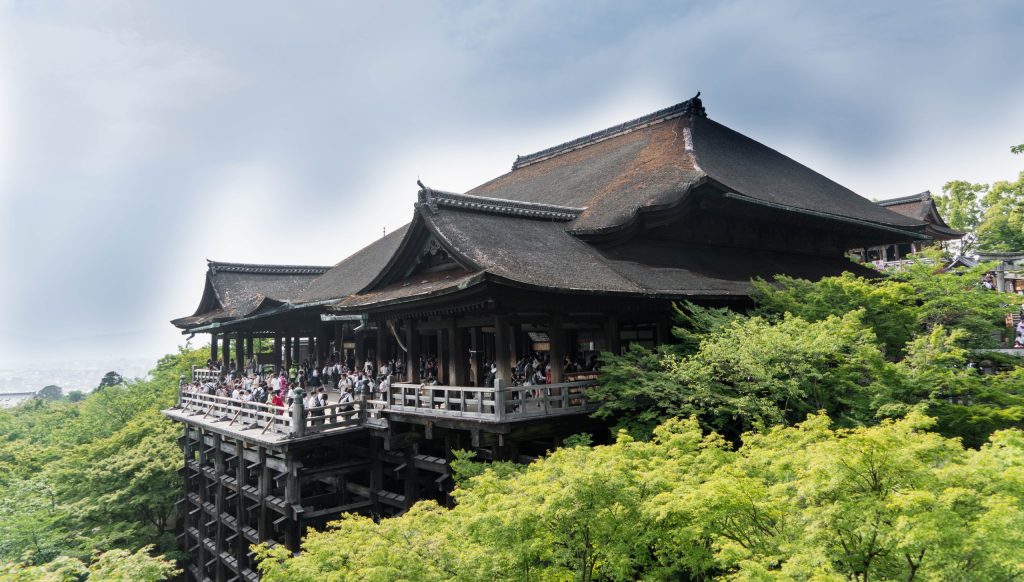
One of Kyoto’s most famous temples, offering breathtaking views from its stage, especially stunning during cherry blossom and autumn foliage seasons.
Kiyomizu-dera, established in 778, is a historic temple recognized as a UNESCO World Heritage site. The main hall’s wooden stage, supported by towering pillars, offers a spectacular view of Kyoto. The temple also features Otowa Waterfall, whose three streams are said to bring longevity, academic success, and love fulfillment. Nearby, the charming stone-paved streets of Sannenzaka and Ninenzaka add to the traditional Kyoto atmosphere.
2. Fushimi Inari Taisha
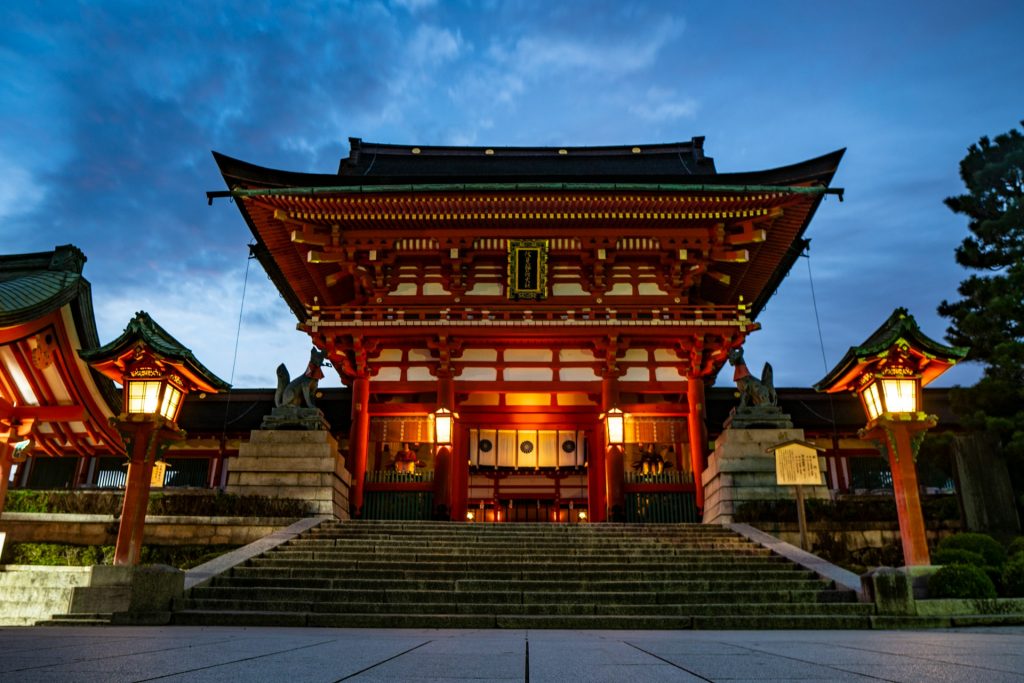
Famous for its thousands of vermillion torii gates, creating a mystical and picturesque pathway that captivates visitors.
As the head shrine of Japan’s 30,000 Inari shrines, Fushimi Inari Taisha is dedicated to the deity of business prosperity and good harvest. The Senbon Torii (Thousand Torii Gates) form a mesmerizing tunnel leading up Mount Inari, offering a unique hiking experience with stunning city views from the top.
3. Kinkaku-ji (Golden Pavilion)
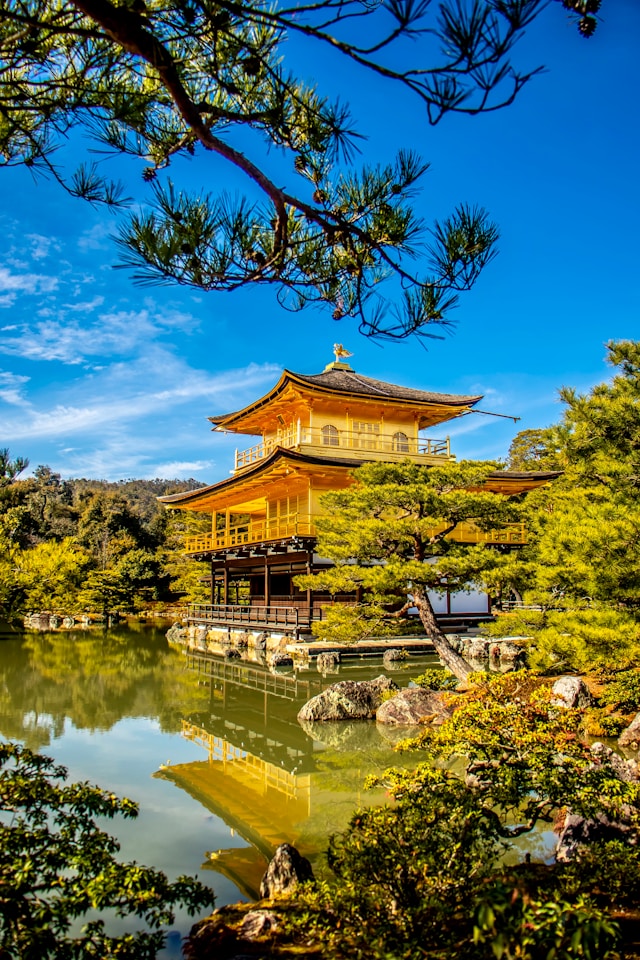
A stunning golden temple reflecting beautifully on the surrounding pond, providing an iconic Kyoto experience.
Kinkaku-ji, officially named Rokuon-ji, was built by Shogun Ashikaga Yoshimitsu. The temple’s exterior is covered in gold leaf, shining brilliantly under the sun. The reflection of the temple on Kyoko-chi (Mirror Pond) creates an unforgettable scenic beauty, especially during winter when snow graces its golden facade.
4. Ginkaku-ji (Silver Pavilion)
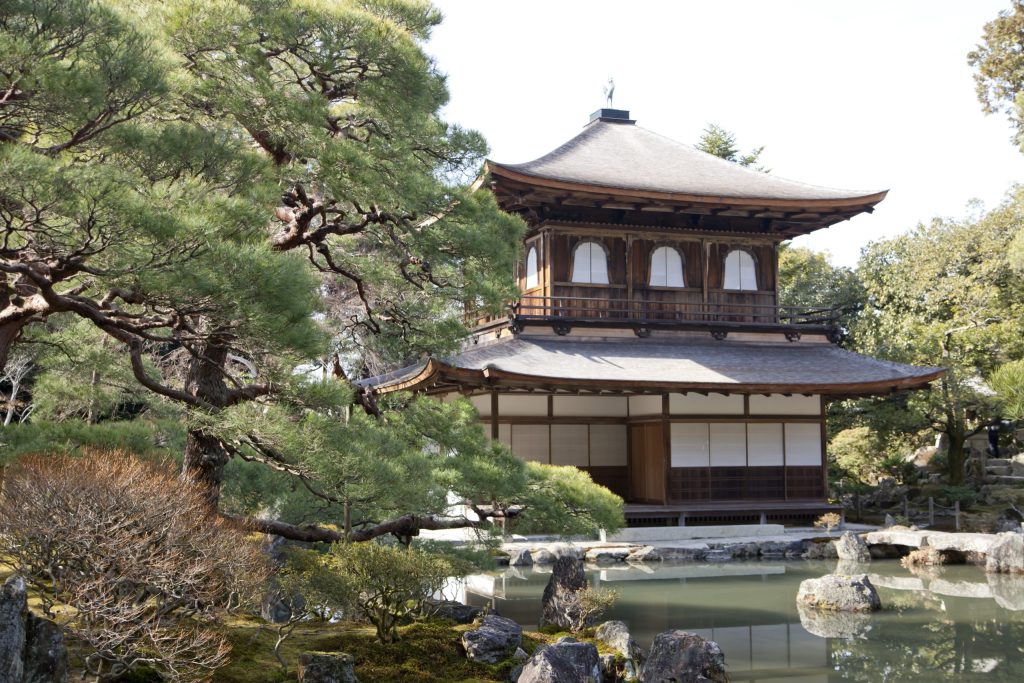
Embodying the aesthetics of simplicity and wabi-sabi, this Zen temple offers a peaceful and refined atmosphere.
In contrast to Kinkaku-ji, Ginkaku-ji was built by Shogun Ashikaga Yoshimasa to embrace understated beauty. The temple is known for its elegant gardens, including the meticulously designed “Sea of Silver Sand” and “Moon Viewing Platform,” which enhance the temple’s serene ambiance.
5. Arashiyama
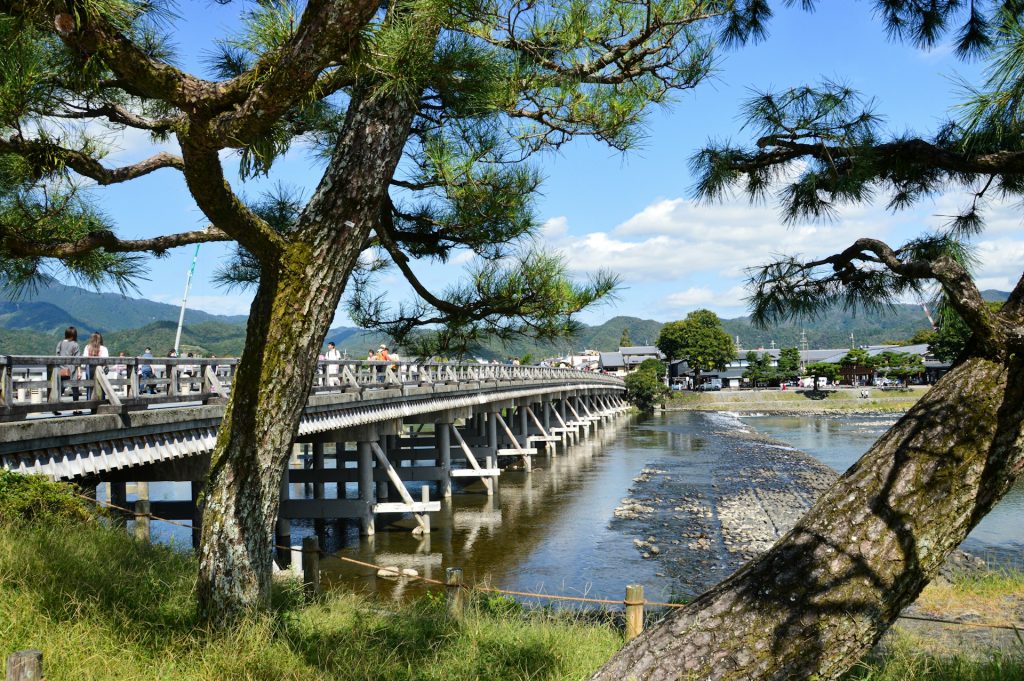
Home to the iconic Togetsukyo Bridge and Bamboo Grove, this area offers a harmonious blend of nature and tradition.
Arashiyama is a popular sightseeing district featuring breathtaking seasonal landscapes. The Bamboo Grove is a must-visit, where towering bamboo stalks create an enchanting green corridor. Visitors can also explore Tenryu-ji Temple, enjoy a boat ride on the Hozu River, or take a scenic ride on the Sagano Romantic Train.
6. Nijo Castle
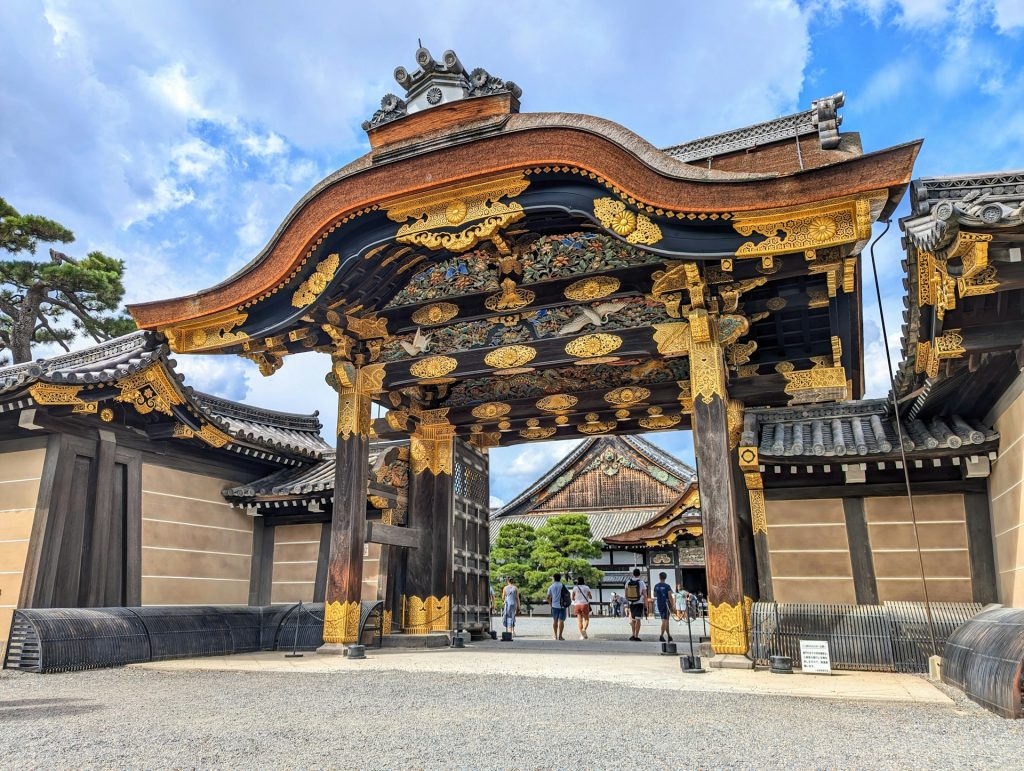
A historically significant castle built by Tokugawa Ieyasu, featuring exquisite interior artworks and ingenious security measures.
Constructed in 1603, Nijo Castle served as the residence of the Tokugawa shogunate in Kyoto. The interior features opulent gold-leaf wall paintings, showcasing the shogun’s power. A unique feature is the “nightingale floors,” which squeak when walked upon to alert against intruders.
7. Gion
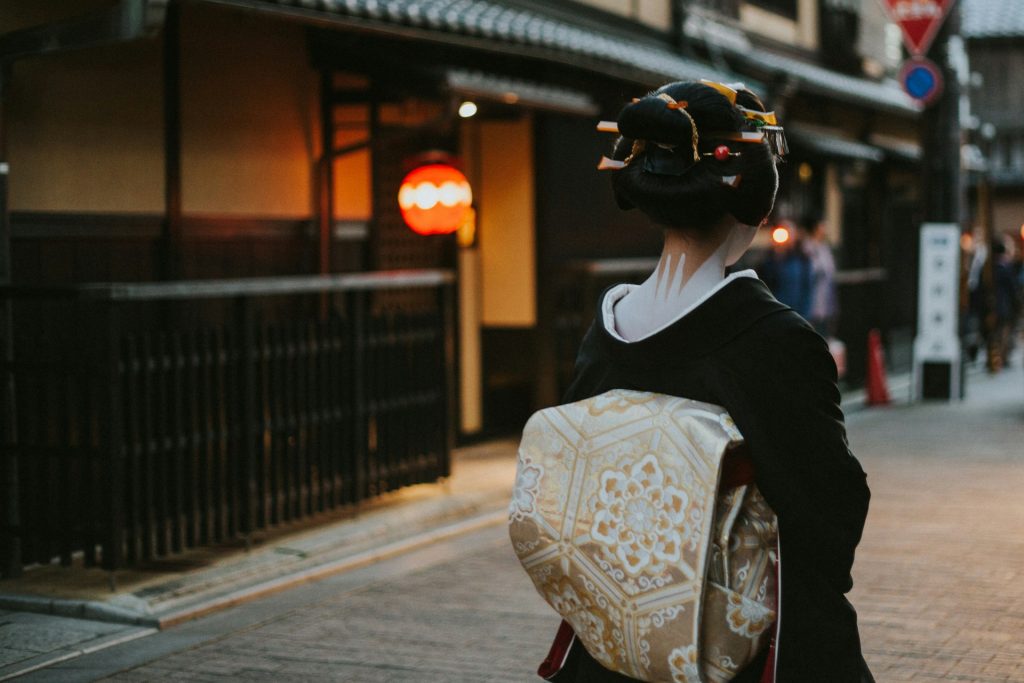
Kyoto’s most famous geisha district, offering a glimpse into traditional Japanese culture with its charming wooden teahouses.
Gion retains the old-world charm of Kyoto with streets lined with historic machiya (traditional townhouses). Visitors may spot maiko (apprentice geisha) gracefully walking to their engagements. Nearby attractions include Yasaka Shrine, Kennin-ji Temple, and the vibrant Hanamikoji Street.
8. Nanzen-ji
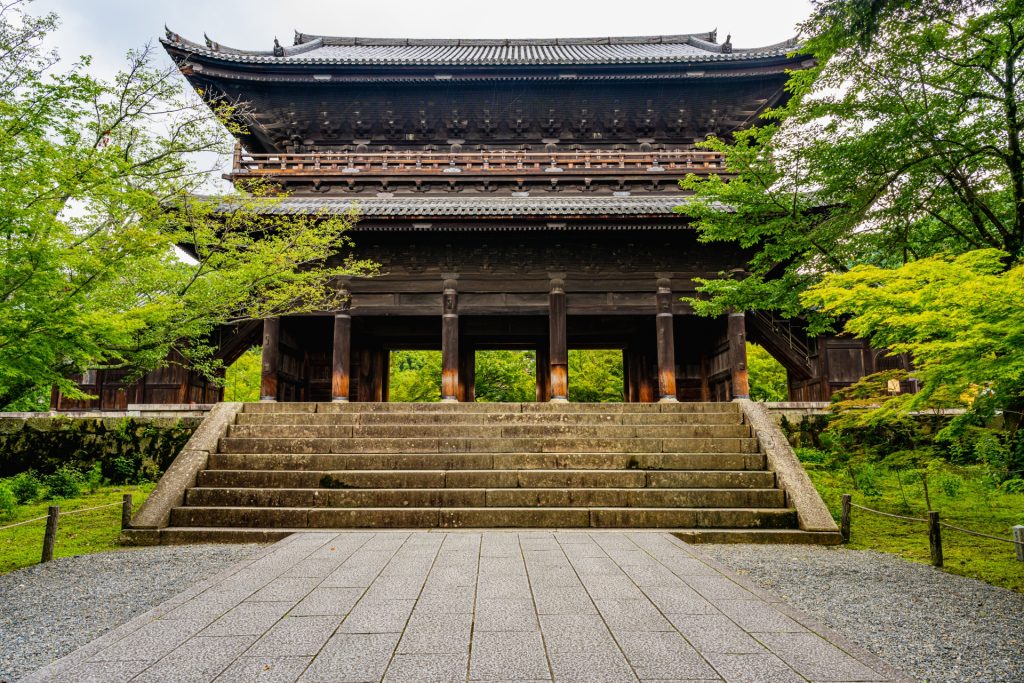
Renowned for its grand entrance gate and the picturesque aqueduct, offering a tranquil escape from the city.
Nanzen-ji is one of Kyoto’s most important Zen temples, known for its massive Sanmon gate, which provides panoramic views of Kyoto. The temple grounds also feature the famous Suirokaku Aqueduct, a stunning brick structure that blends Western and Japanese architecture, making it a popular photo spot.
9. Kamogawa (Kamo River)
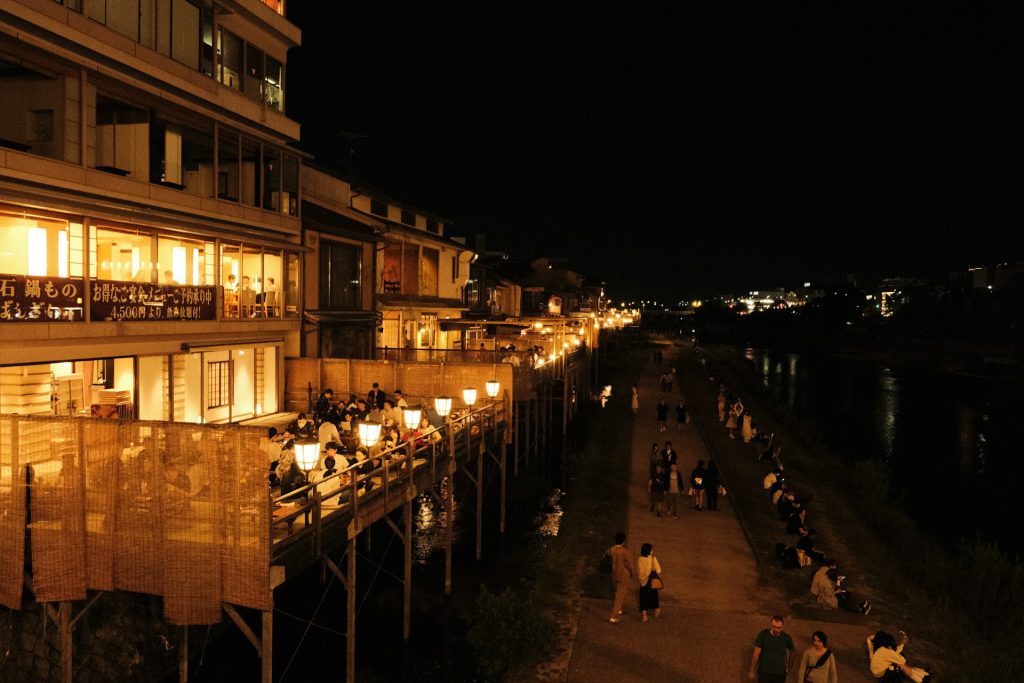
A scenic river flowing through Kyoto, perfect for a relaxing stroll or enjoying a riverside meal in summer.
The Kamogawa River provides a serene backdrop for leisurely walks, with traditional tea houses and cafes lining its banks. During summer, many restaurants set up “Kawadoko” (riverside dining platforms), allowing visitors to enjoy Kyoto’s delicacies while listening to the soothing sound of flowing water.
10. Philosopher’s Path
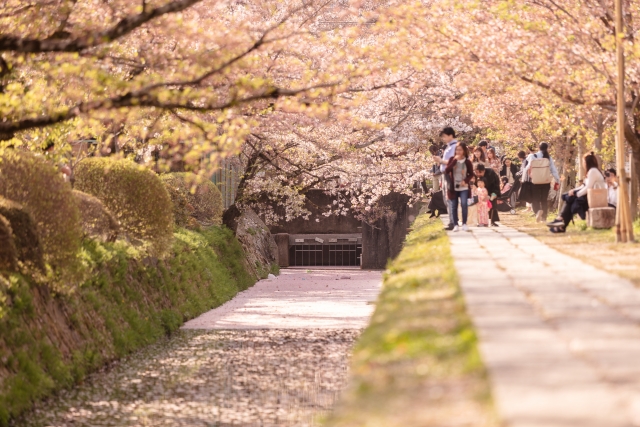
A peaceful walking trail lined with cherry trees, named after the famous philosopher Nishida Kitaro, who used to stroll here for contemplation.
Stretching about 2 km from Ginkaku-ji to Nanzen-ji, the Philosopher’s Path follows a canal adorned with seasonal flowers. In spring, the path is enveloped in cherry blossoms, making it one of Kyoto’s most picturesque spots for hanami (cherry blossom viewing).
Conclusion
Kyoto offers an unparalleled mix of history, culture, and natural beauty. No matter the season, there’s always something breathtaking to discover. Plan your trip wisely and immerse yourself in the timeless charm of Japan’s ancient capital!